Theodosius Arrives at Ephesus, from a Scene from the Legend of the Seven Sleepers of Ephesus by http://www.wikidata.org/.well-known/genid/5631a7dfd3734207f85dfebeaa4b7fe3
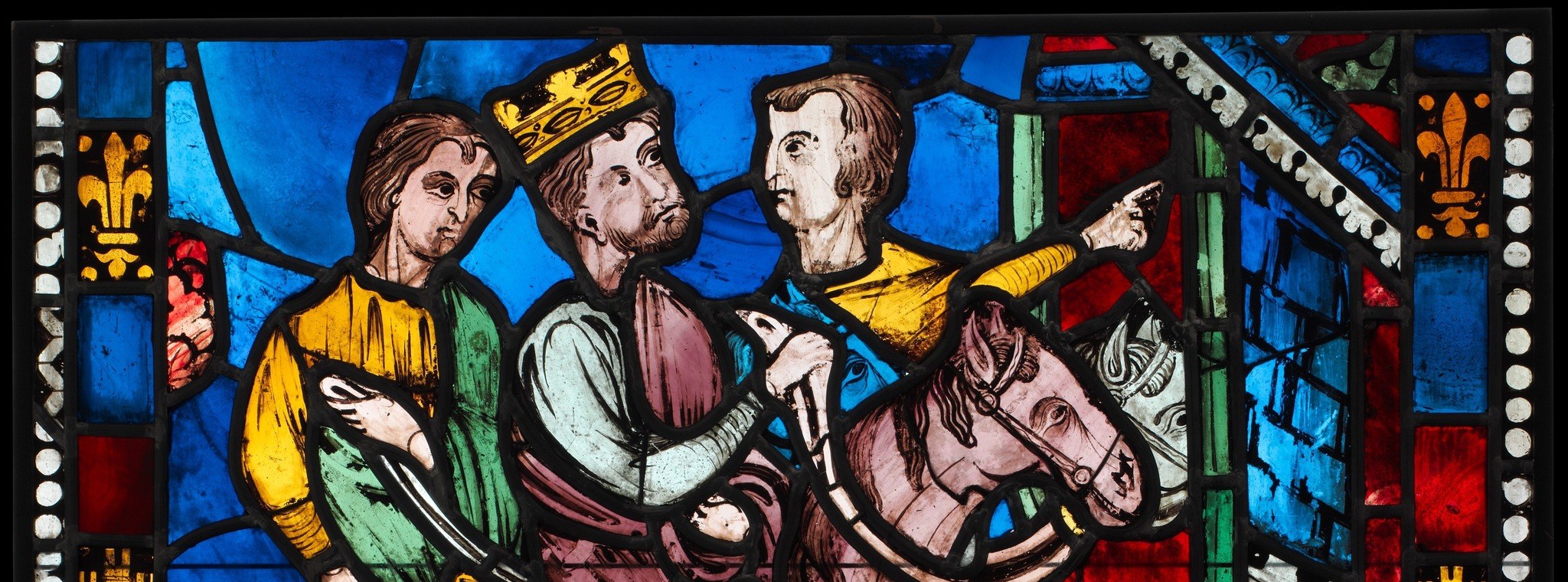
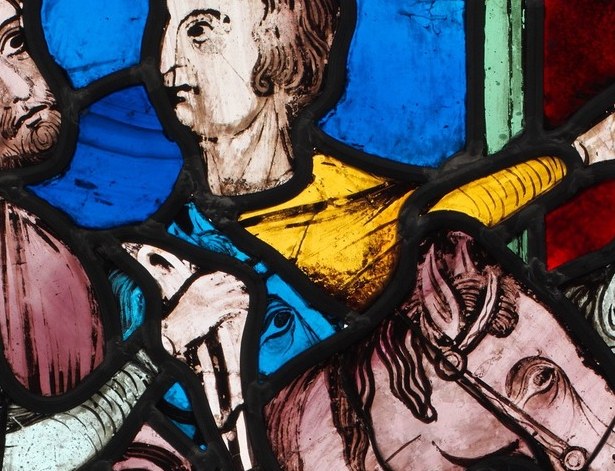
This striking artwork, "Theodosius Arrives at Ephesus," created around 1205, is not a painting but a marvel of stained glass, now held at The Metropolitan Museum of Art. It tells a scene from the Legend of the Seven Sleepers of Ephesus with brilliant color and graphic clarity.
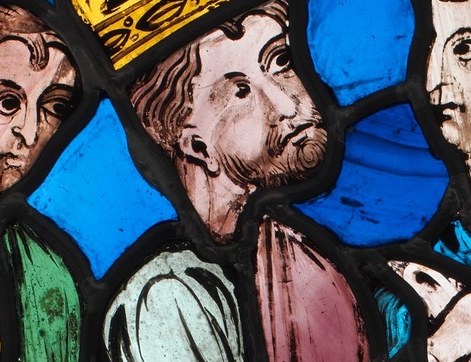
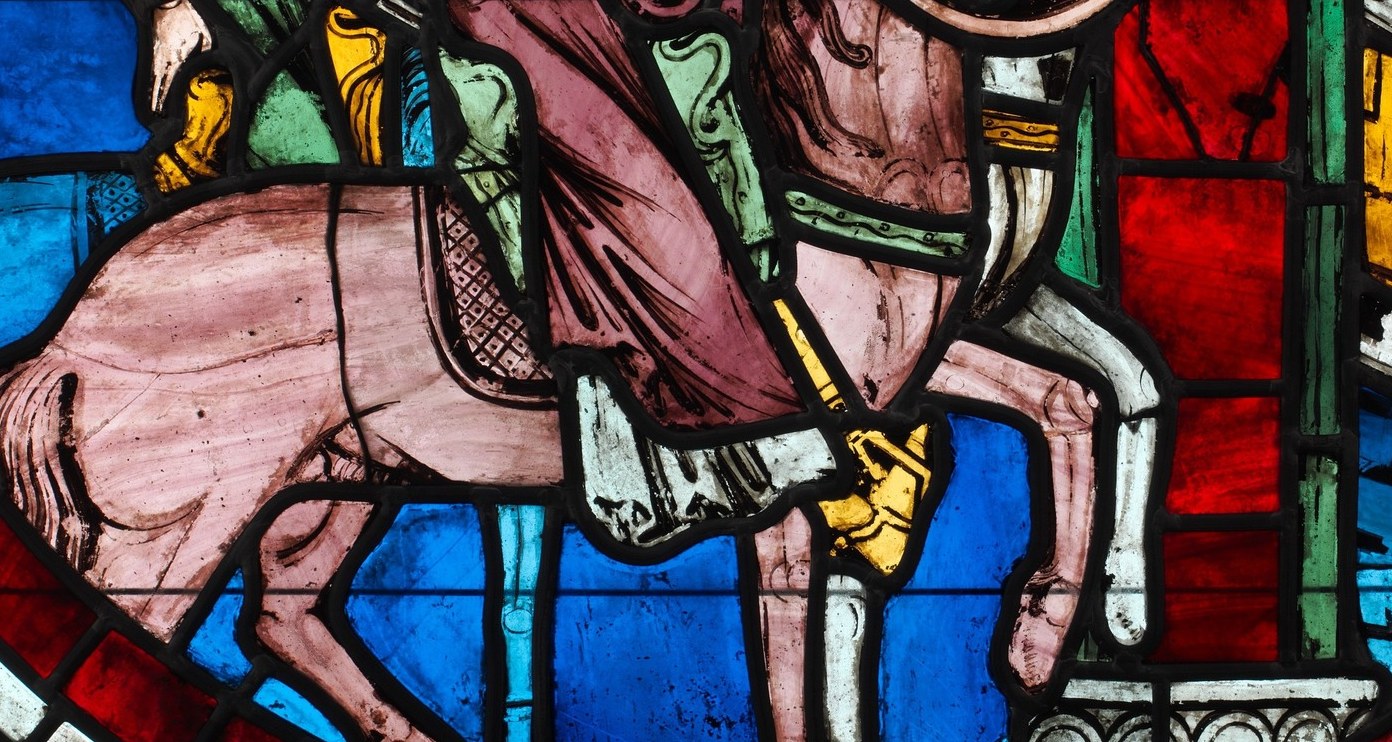
Notice the vibrant blues, reds, and golds, all made from individual pieces of glass. Each detail, from the emperor's crown to the horse's mane, is outlined and defined by thin strips of lead, creating the distinctive strong lines that characterize medieval stained glass.
This technique involves cutting colored glass, painting details onto it, and then assembling the pieces with lead. Originally part of a larger window, likely in a church, these works served to illustrate religious stories for a congregation, transforming light into narrative.
The interplay of light and color, shaped by lead, is what gives stained glass its unique, timeless allure. How do you think the light would have changed the story in its original setting?
Details
Transcript
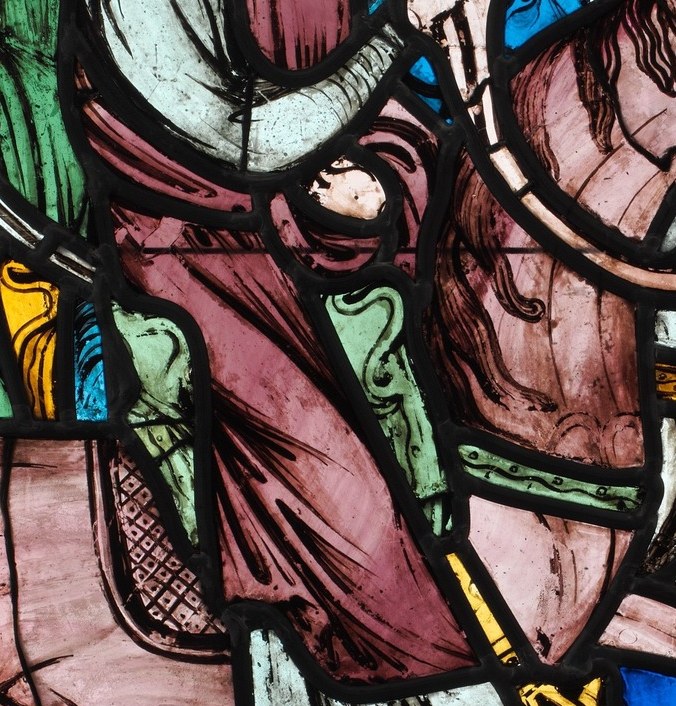
This isn't a painting, it's a window made of light. Molten glass was cooled, then cut into shapes. Painters added details directly onto the glass with pigment. Then, strips of lead hold all the pieces together. These dark lines define every figure and fold of fabric. The lead lines give the entire image its power and clarity.