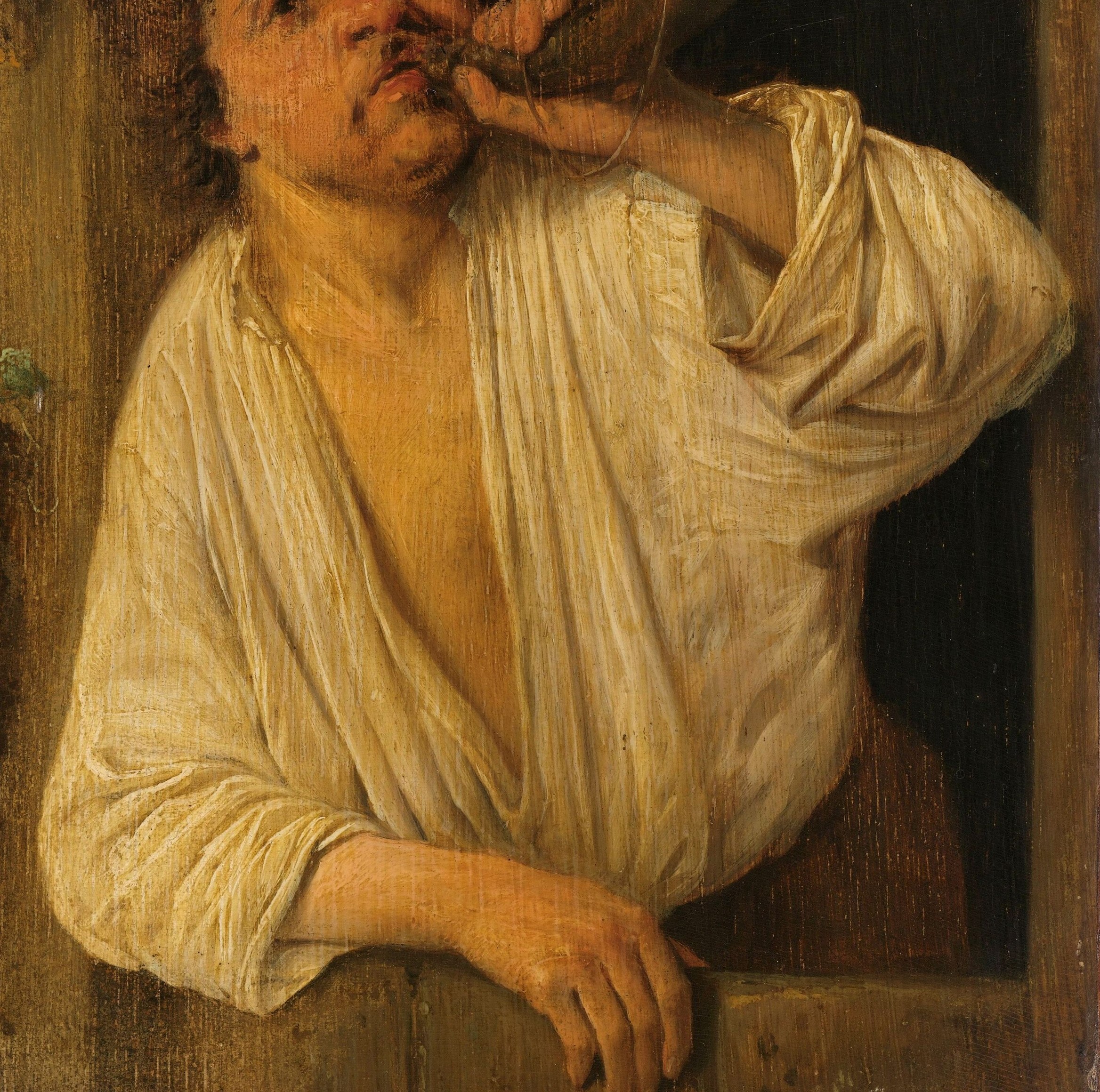
A baker blowing his horn by Adriaen van Ostade
Adriaen van Ostade spent a lifetime painting ordinary people at work: bakers, farmers, workshop laborers. "A Baker Blowing His Horn" (c. 1650, Rijksmuseum) is five minutes of daily life, frozen for nearly four centuries.
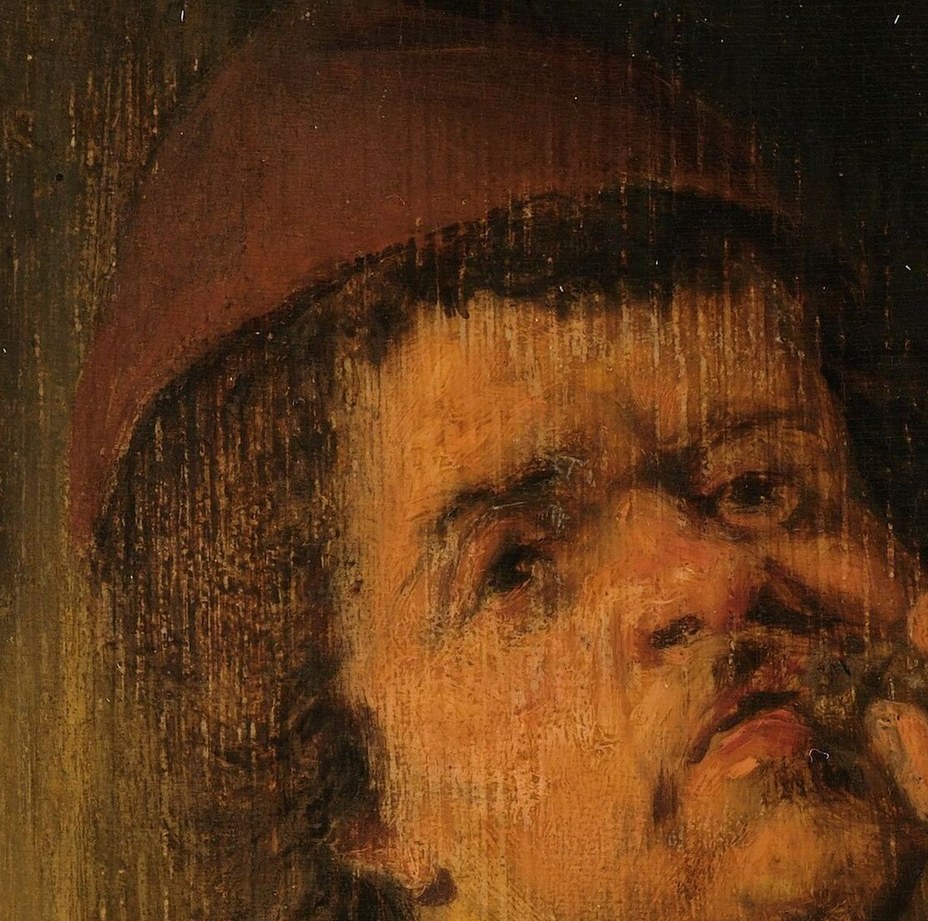
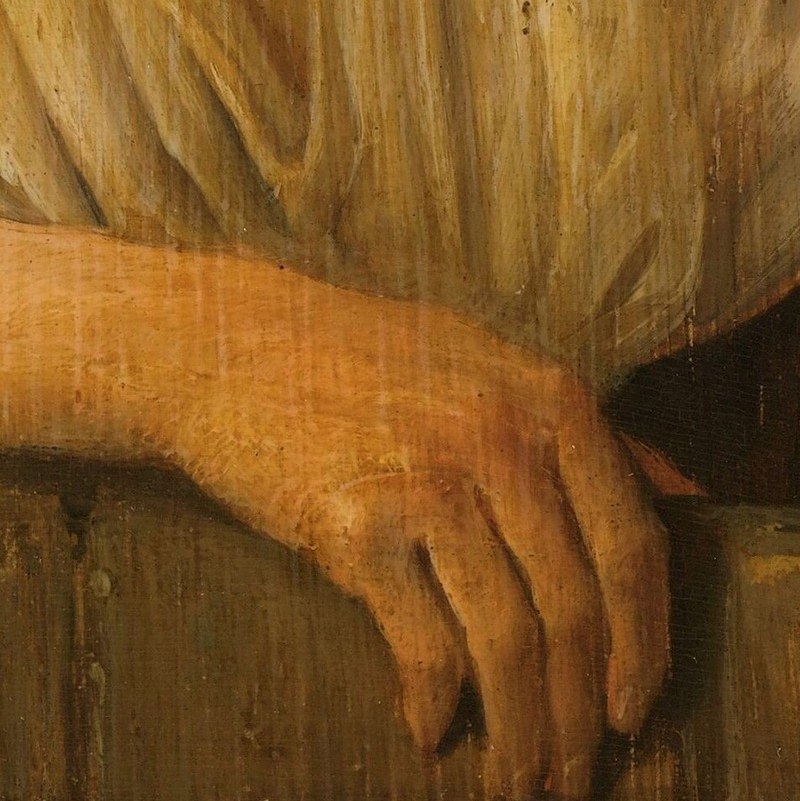
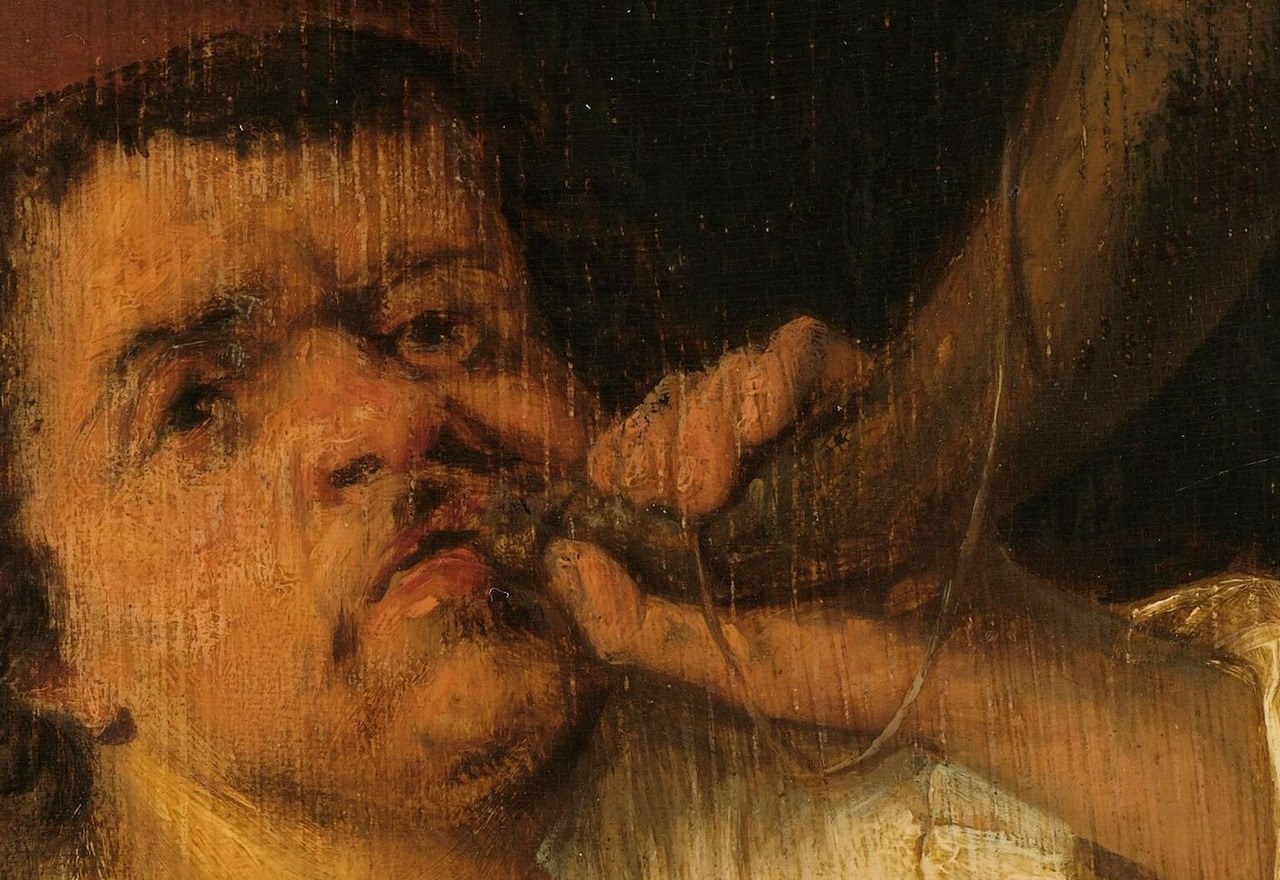
Look at the strain in his face. Puffed cheeks, furrowed brow. Then look at his left hand, resting easy on the windowsill. The horn was a 17th-century neighborhood signal: the baker is working. But his hand tells you this is a pause between calls, a habit worn into muscle.
Van Ostade was a pupil of Adriaen Brouwer and worked through the Dutch Golden Age, building a career on the faces and rituals grand history painting ignored. His scenes of taverns, kitchens, and workshops documented the labor that kept the Netherlands running.
What would your daily signal be, if someone painted it?
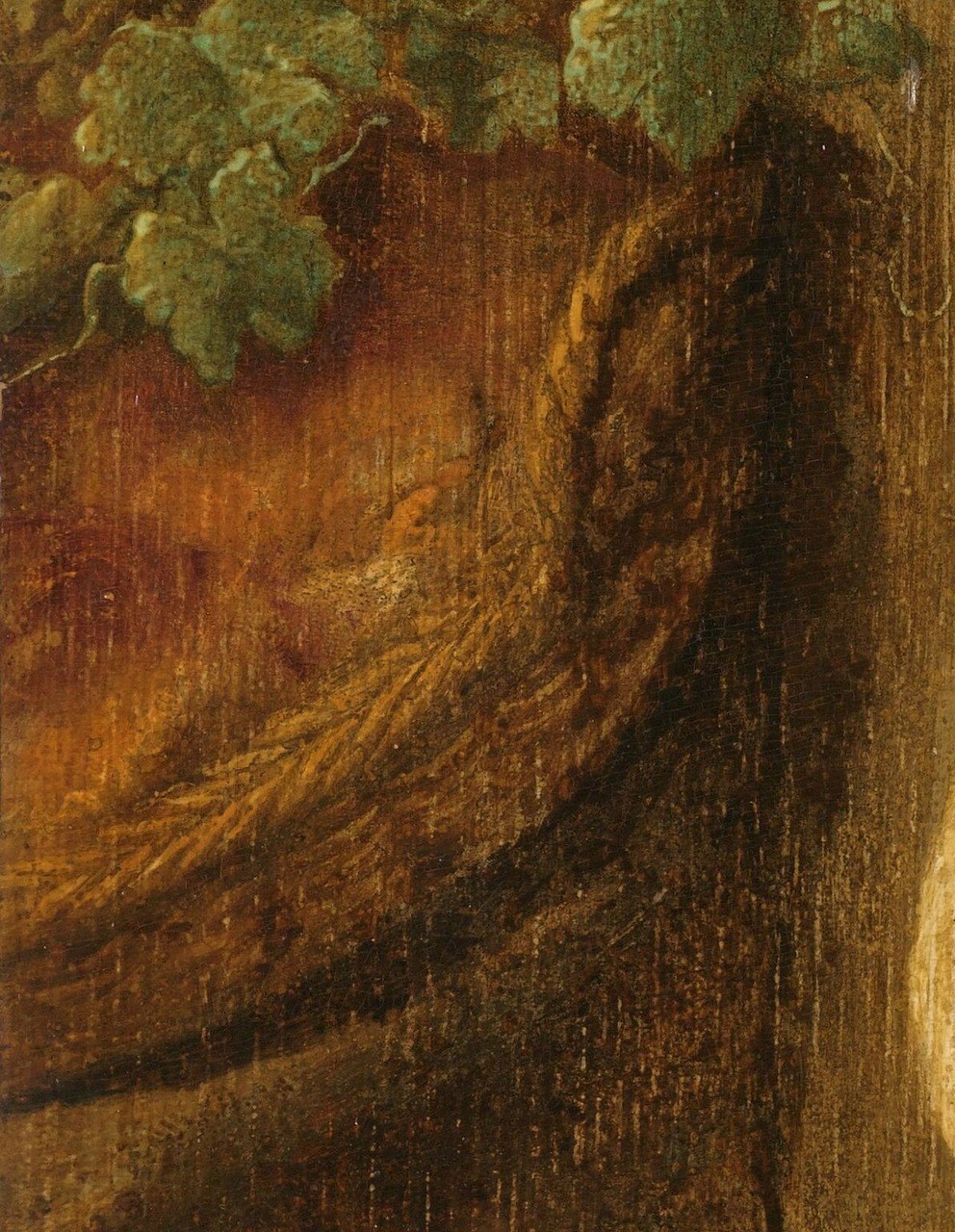
Details
Transcript
Van Ostade painted bakers, not kings. His cheeks are puffed. His brow is furrowed tight. His left hand rests easy. A habit, not effort. The horn was his daily signal to the neighborhood. Four centuries later. He is still blowing.