Portrait of a Gentleman with a Tall Hat and Gloves by Rembrandt van Rijn
View the artwork: Portrait of a Gentleman with a Tall Hat and Gloves →
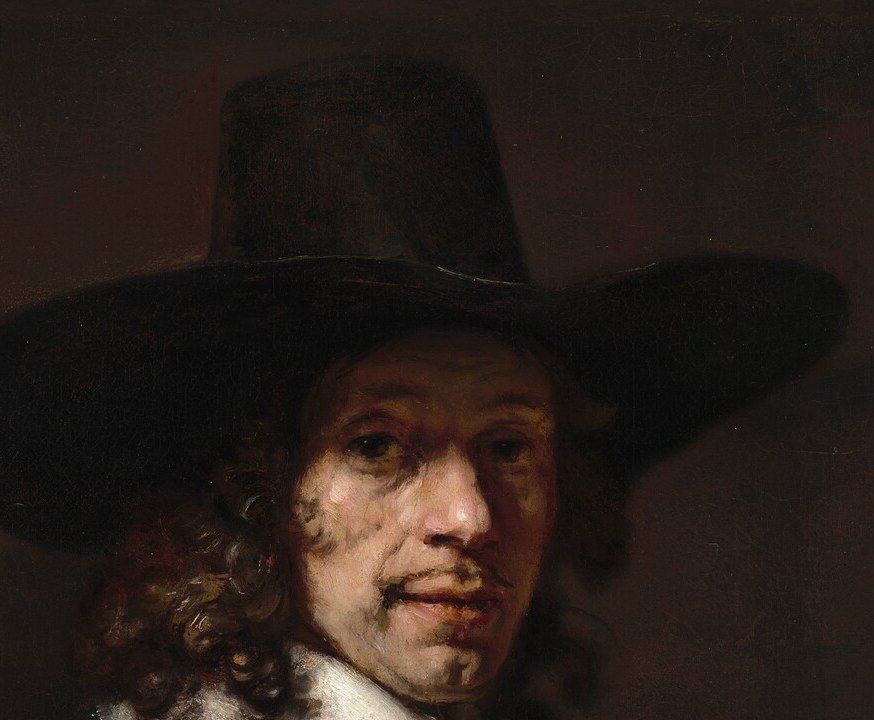
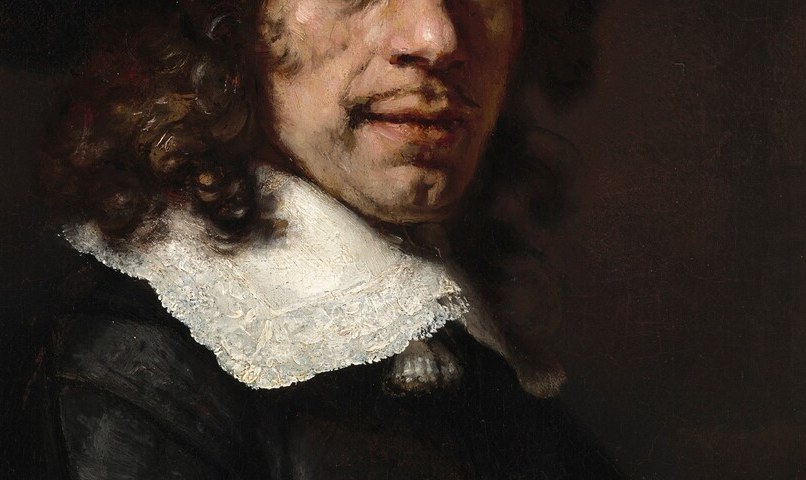
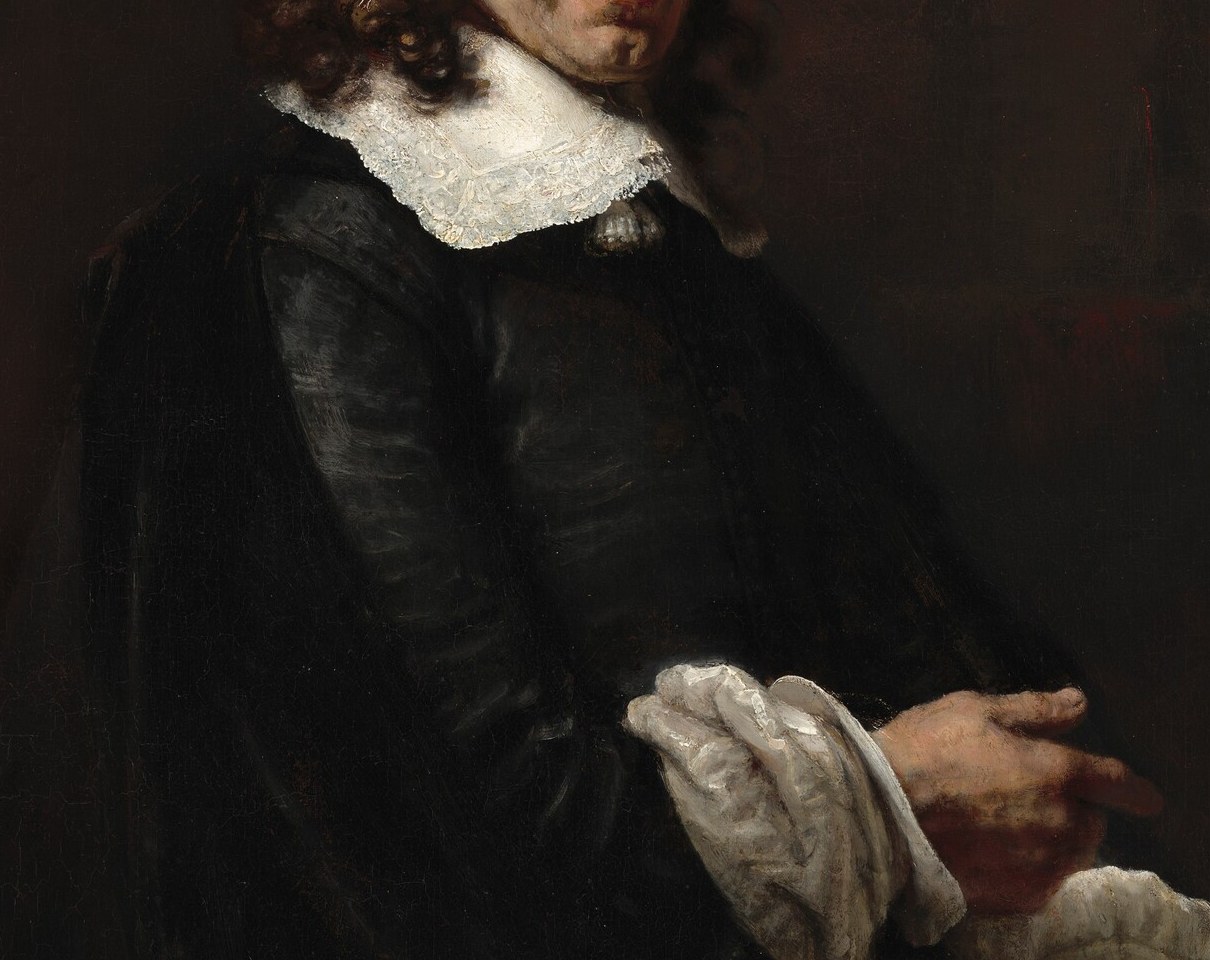
This is Rembrandt's 'Portrait of a Gentleman with a Tall Hat and Gloves,' painted around 1656 to 1658, now in the National Gallery of Art. The sitter may be Frans van Schooten, a mathematician who moved in Rembrandt's circle.
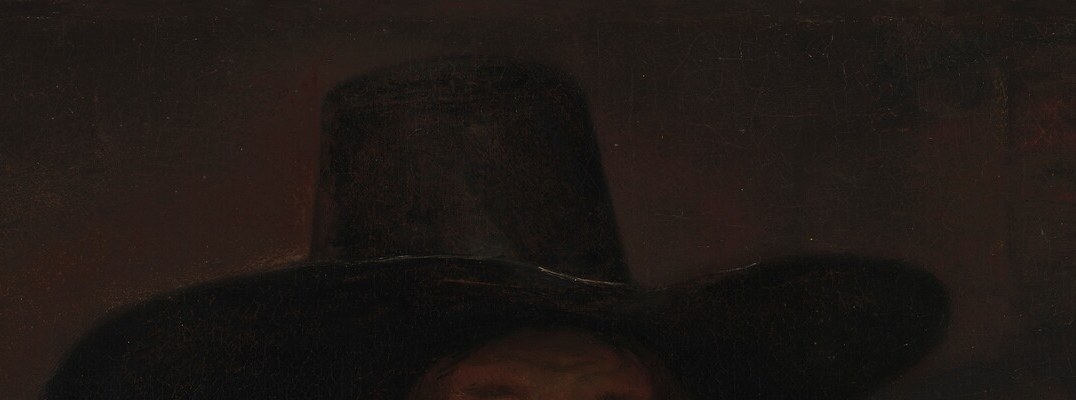
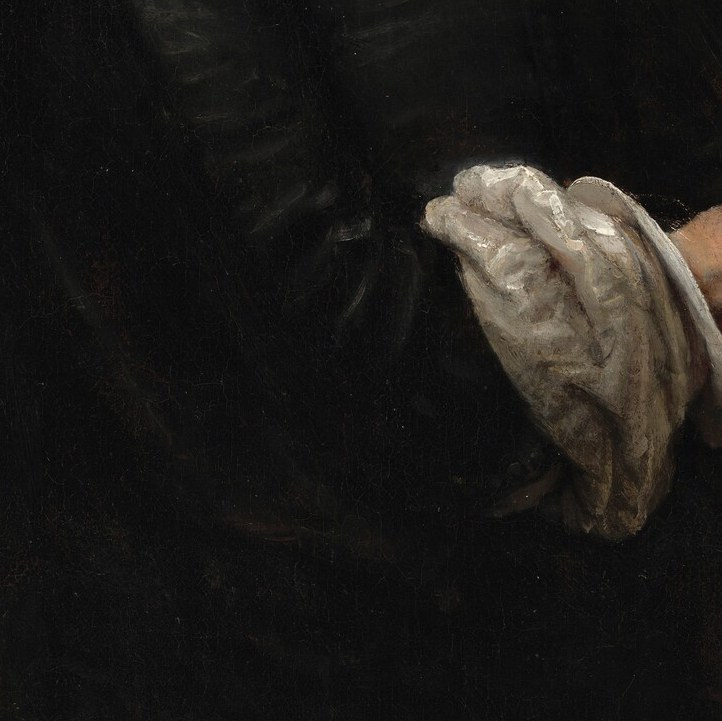
Rembrandt built the portrait on a dark, almost featureless background, but look closely at the lower right. A warm amber-brown glow emerges from beneath the thin paint, the ground layer showing through. This is not an illusion; it is physical evidence of the painting's history.
In 1931, the painting was transferred from its original canvas to a new support, a delicate and invasive conservation procedure. The subtle tonal shifts in the background, the way the coat edge almost merges with the darkness, are partly the result of that transfer and partly Rembrandt's late 'rough manner,' where he suggested form with astonishing economy.
Next time you see a Rembrandt portrait, look past the face and into the shadows. The real history is often hidden in plain sight.
#arthistory #rembrandt #dutchgoldenage
Details
Transcript
They called it the 'rough manner.' A few strokes could hold a face. The sitter is likely Frans van Schooten, a mathematician. He holds pale gloves loosely. A sign of easy confidence. Now look into the background. It's not just darkness. This canvas was cut from its original stretcher long ago. A warm amber ground glows through the thin paint.