Georges de Miré by Roger de La Fresnaye
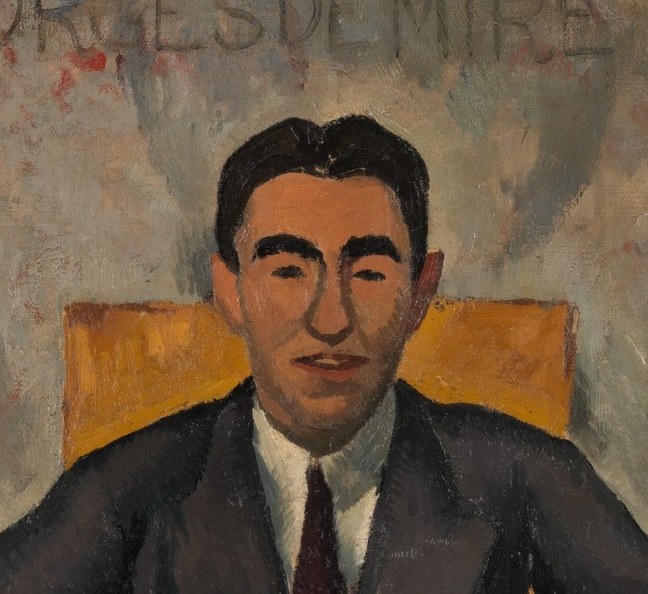
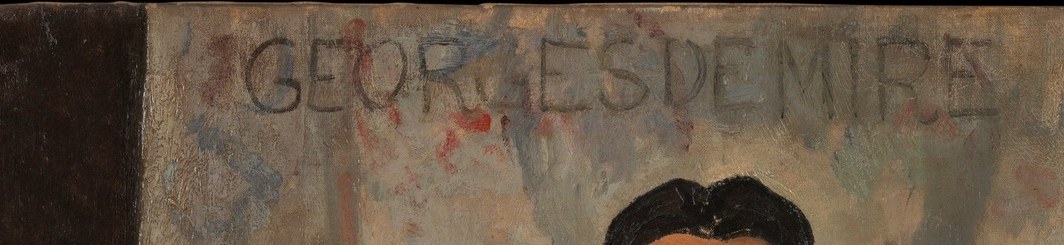
Roger de La Fresnaye's "Georges de Miré," painted in 1910, is more than a formal portrait; it's a quiet act of rebellion. This striking oil painting, held at The Metropolitan Museum of Art, showcases the artist's bold move away from traditional portraiture.
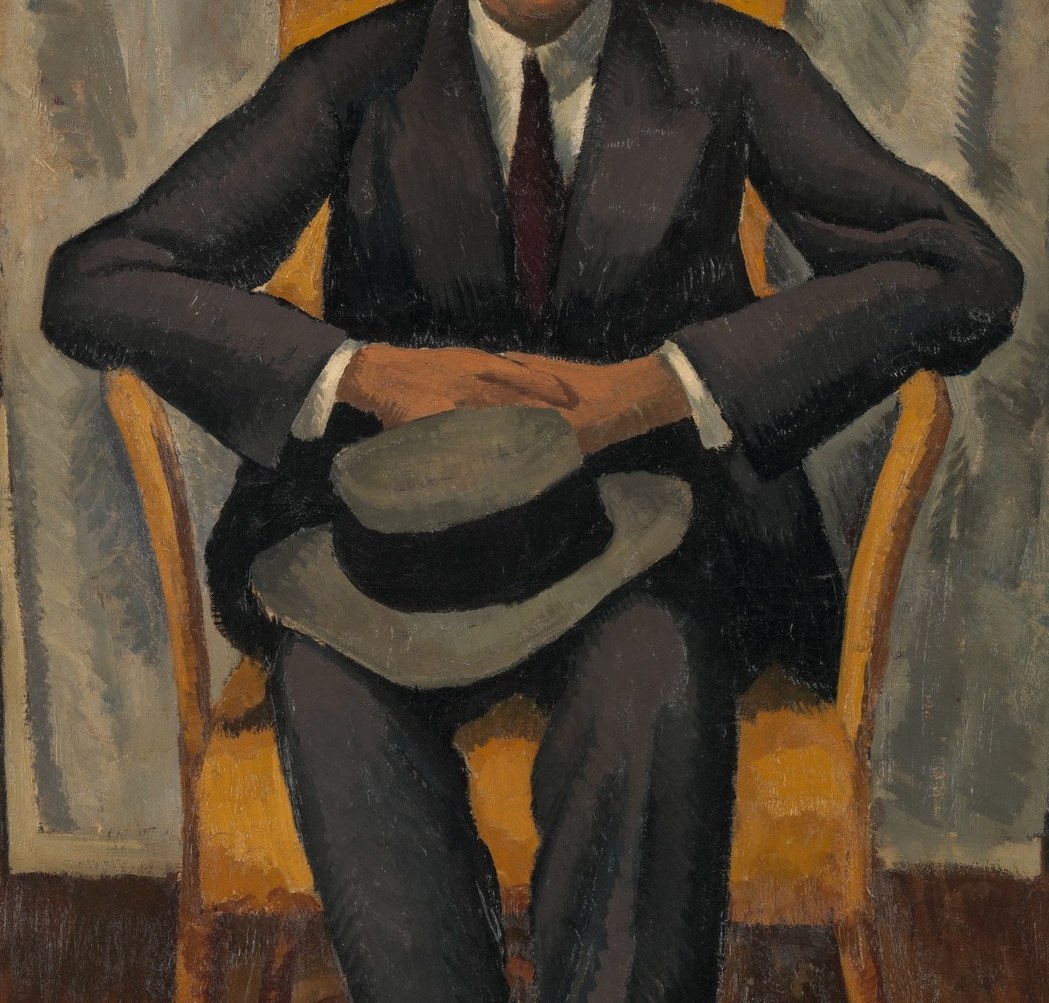
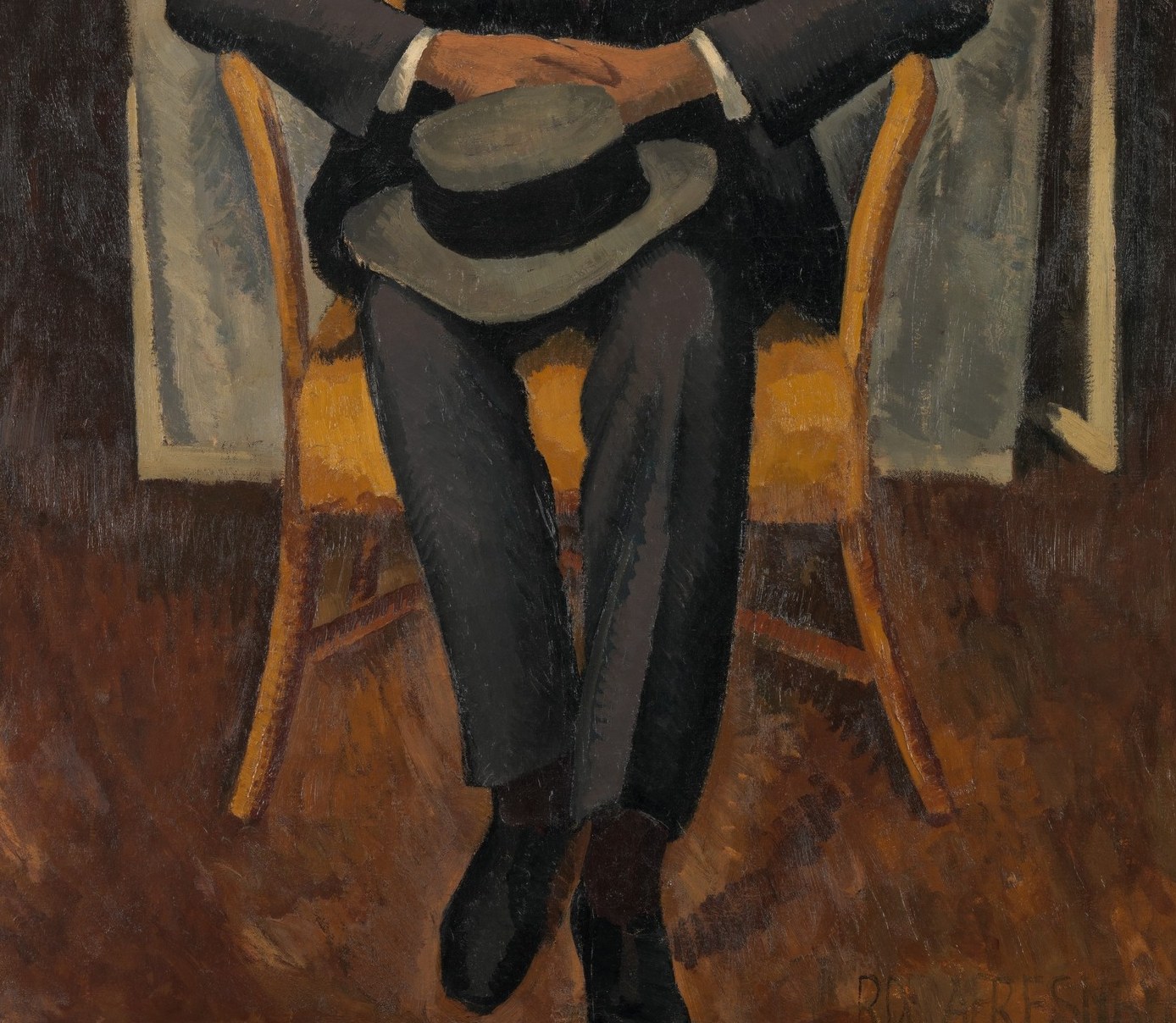
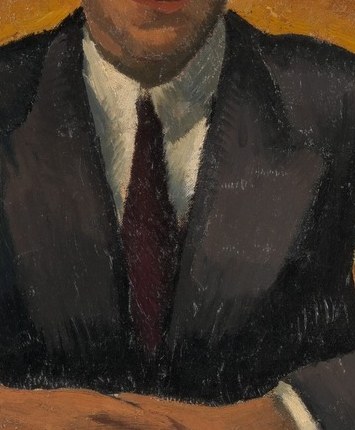
Notice the contrast between the sitter's composed expression and the almost wild, energetic brushwork of his suit. La Fresnaye applied paint with a thick, tactile quality, giving the canvas a vibrant, 'unfinished' aesthetic that challenged the conventions of the time.
In 1910, such vigorous handling of paint was considered radical, signaling La Fresnaye's early exploration of Cubist ideas. He was part of a generation of artists pushing boundaries, and this portrait is an early testament to his groundbreaking vision.
What do you think of this painterly approach? Does it make the portrait feel more alive?
Details
Transcript
This portrait dates to 1910, a time of artistic rebellion. The sitter, Georges de Miré, wears the formal suit of his era. But look closely at the wild brushstrokes of his clothing. La Fresnaye used thick, almost sculptural paint application. This vigorous, 'unfinished' style shocked the art world. He was pushing painting beyond mere imitation, towards Cubism.