The Wolf and Fox Hunt by Peter Paul Rubens
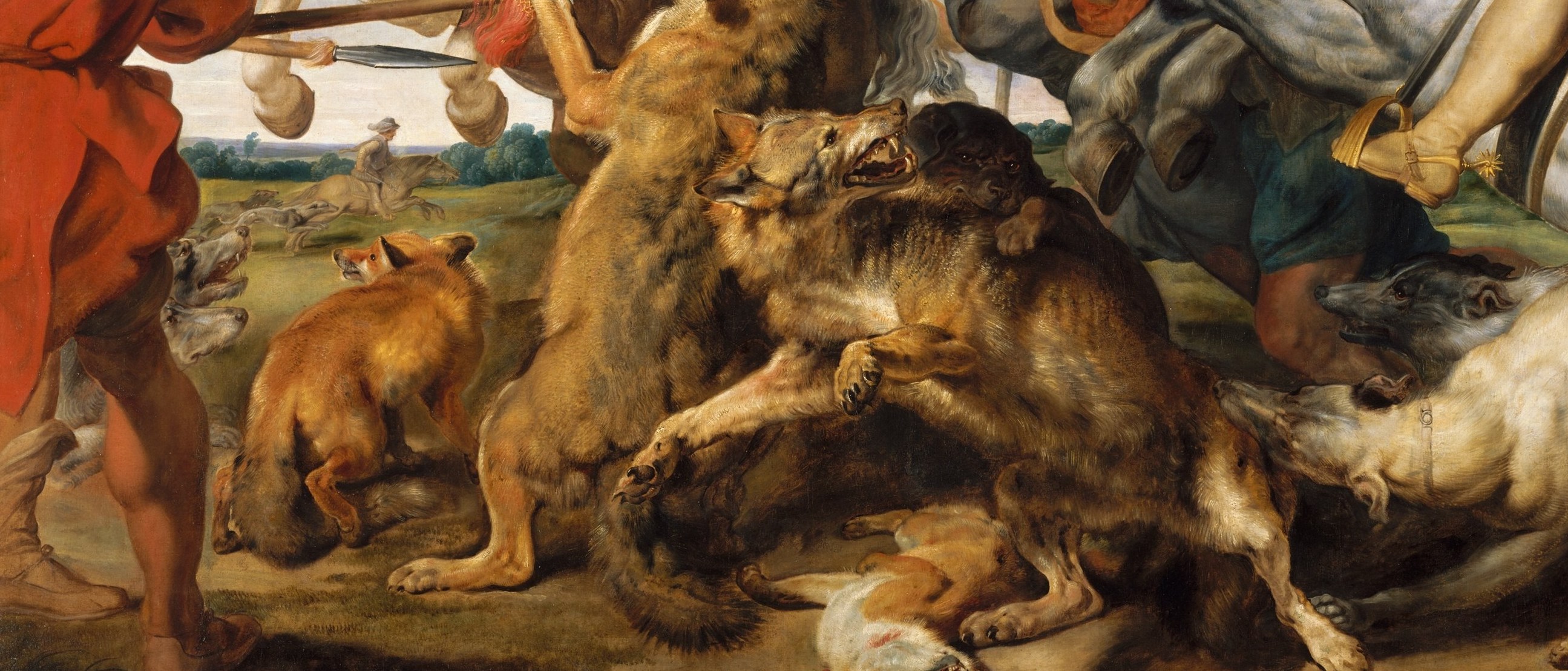
The Wolf and Fox Hunt by Peter Paul Rubens, painted around 1616, now hangs in the Metropolitan Museum of Art. It is smaller than the day the artist finished it. By 1667, a private owner had the top and left edges of the canvas trimmed so the painting would fit neatly into a room. What we see today is a fragment of the original composition, and that missing real estate is part of the painting's financial story.
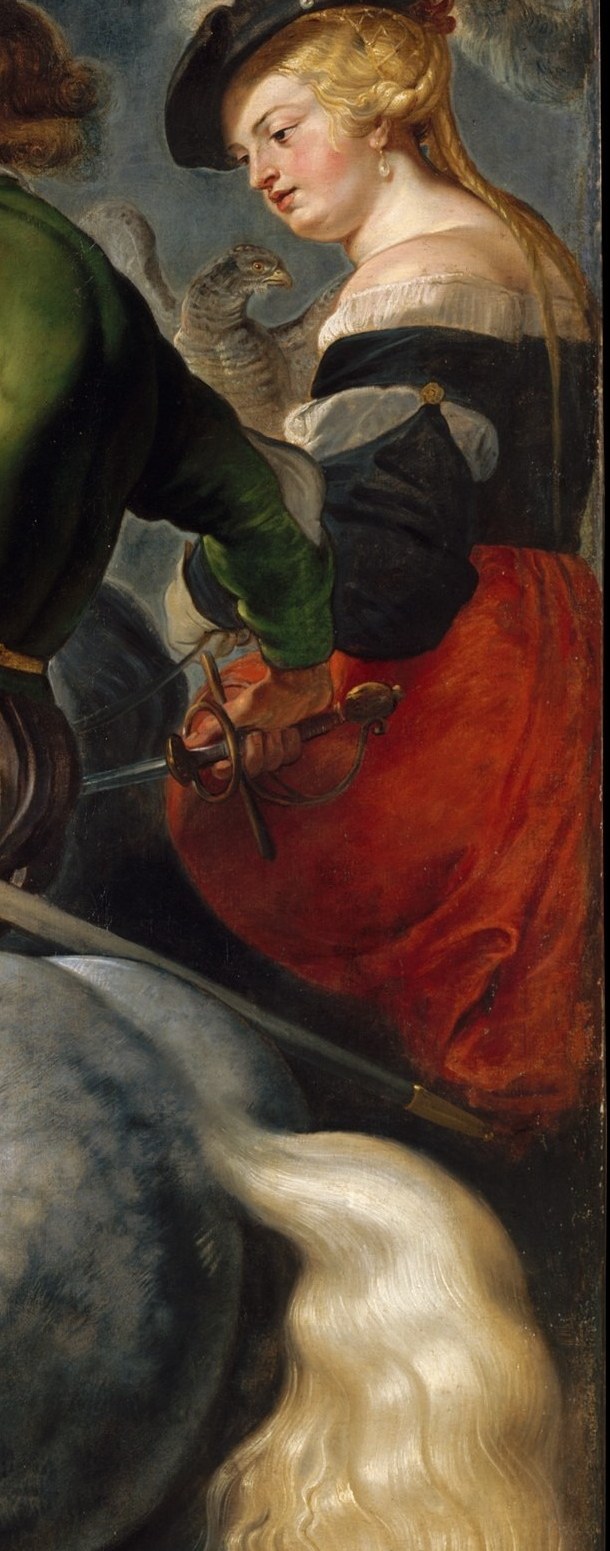
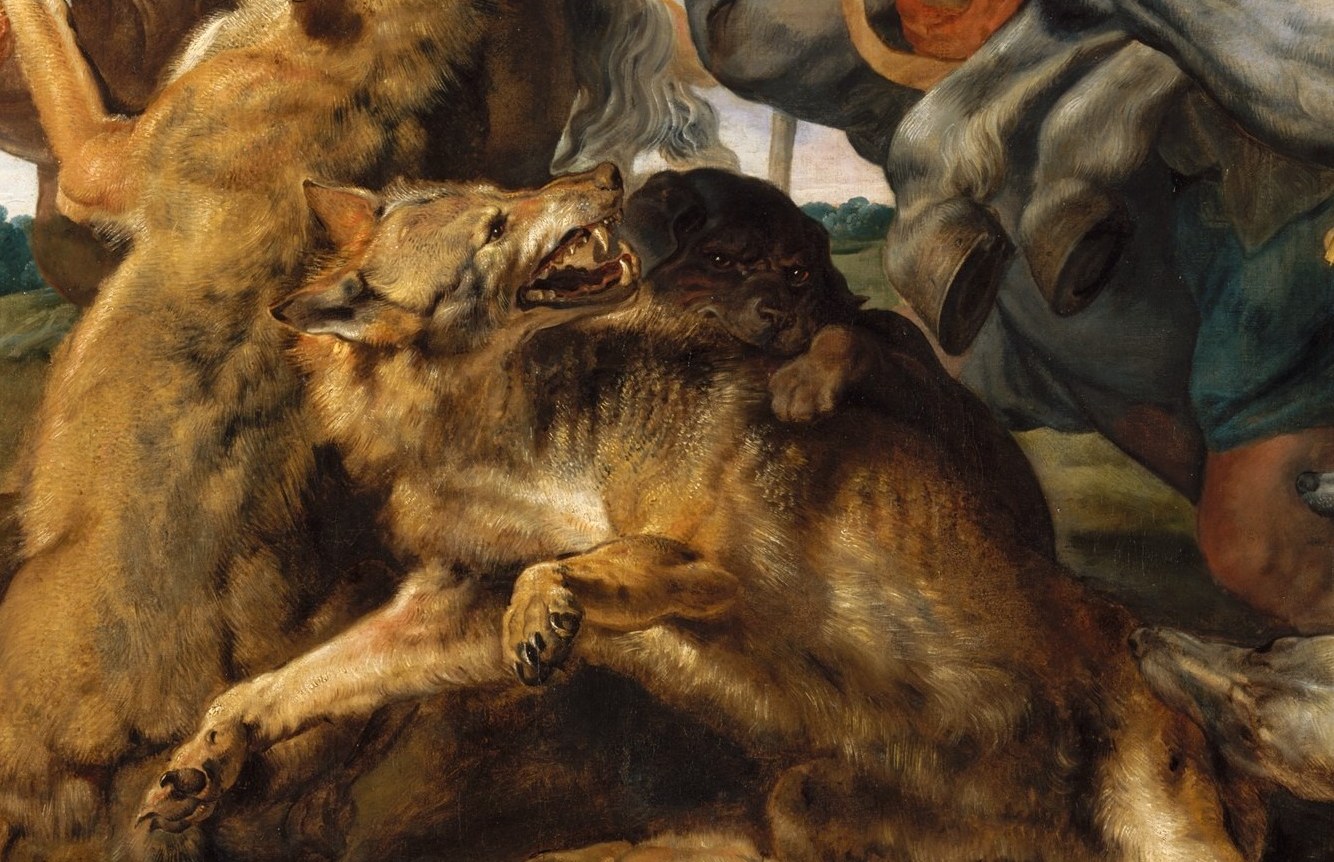
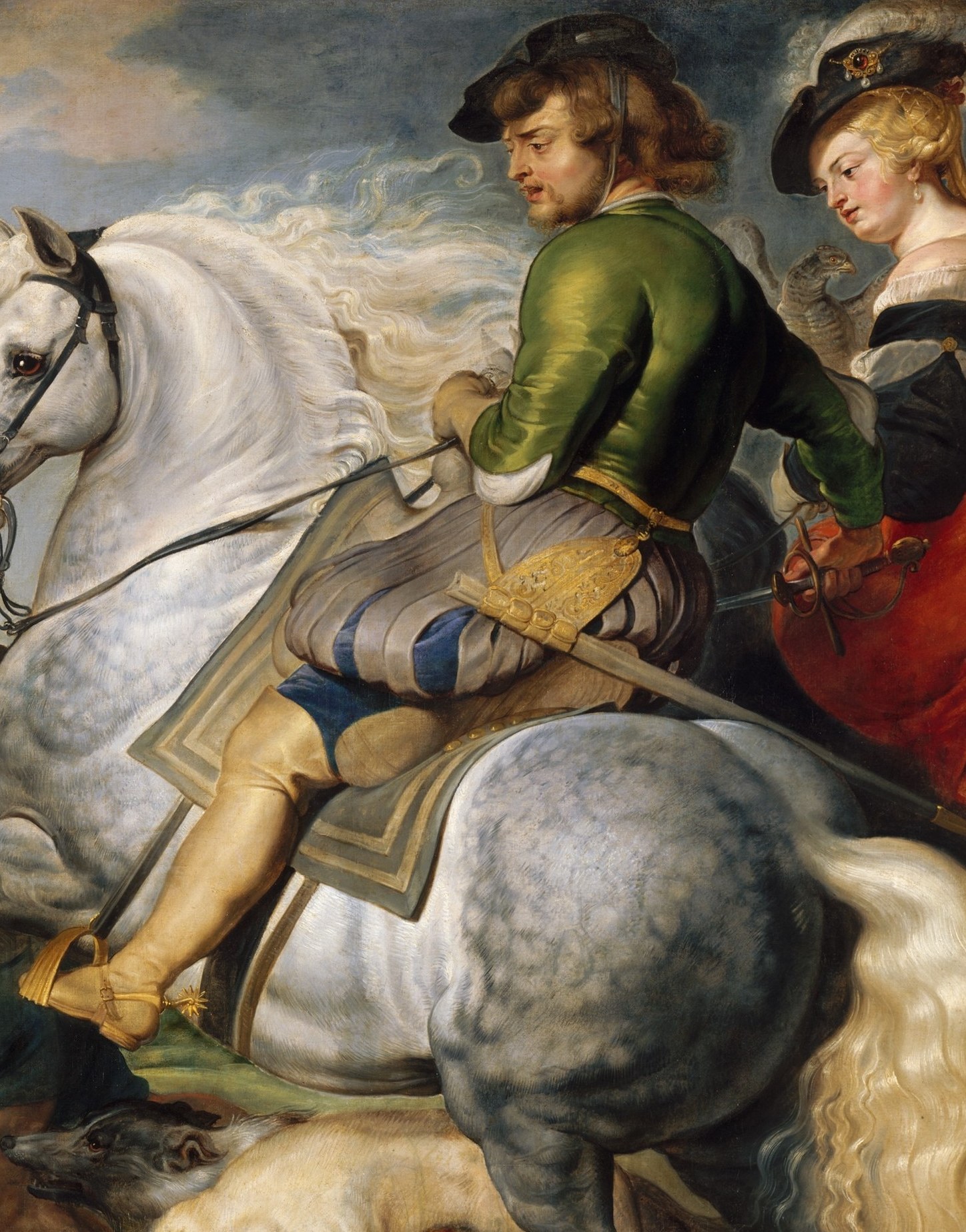
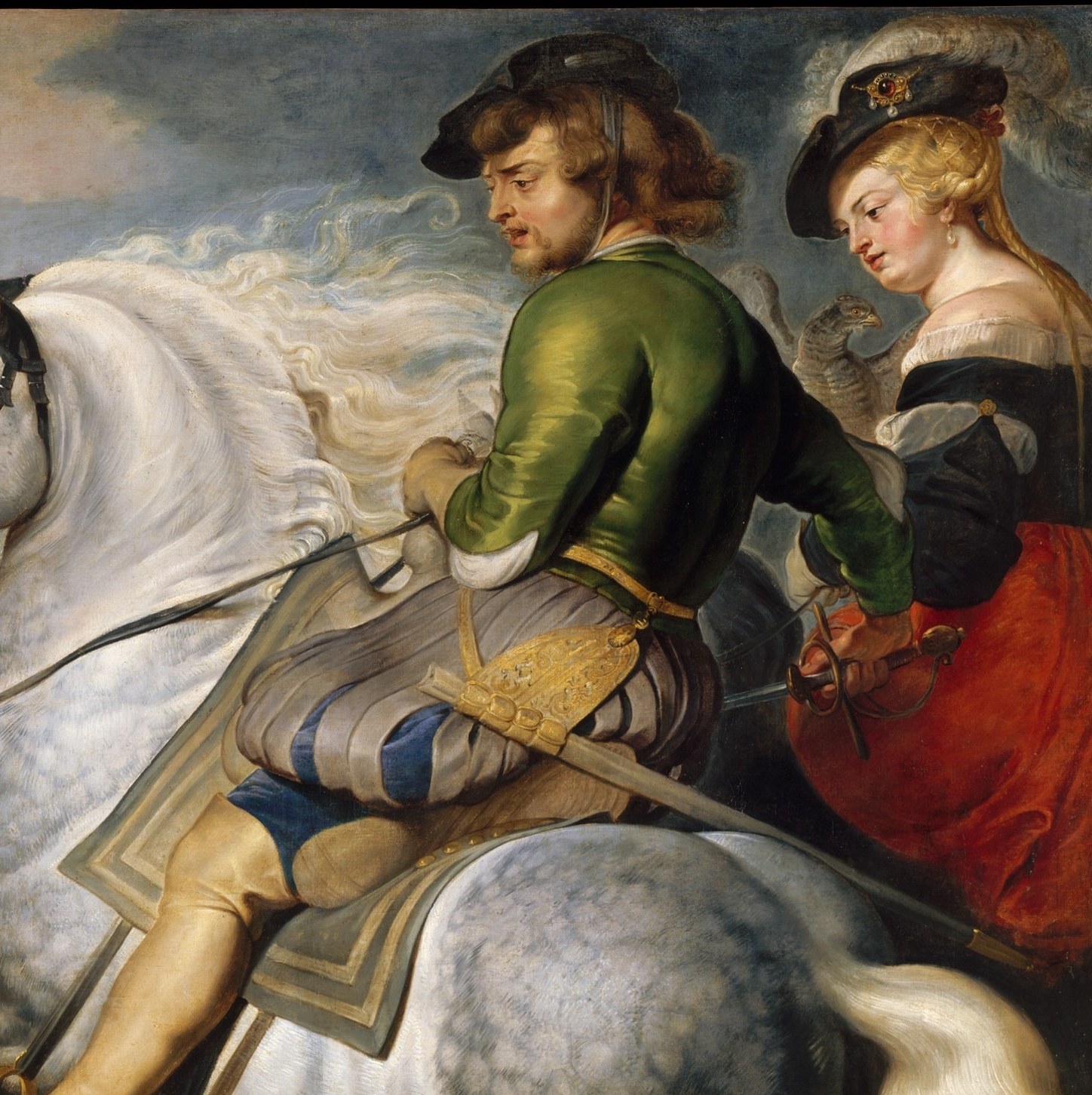
Look first at the right edge. Figures and horses are severed mid-form by the frame, a visual amputation that confirms the historical record of the cut. Then look at the writhing wolf pinned at center ground. Rubens reserved the wolves for his own hand, leaving the horses, hounds, and surrounding figures to his workshop assistants. The animal's fur and straining anatomy carry the master's direct signature.
The painting arrived at the Met in 1910, but its market value today is constrained by that 17th-century alteration. A complete, undamaged Rubens hunting scene, like The Tiger Hunt, has sold at auction for over forty-five million dollars. A trimmed work trades at a steep discount because major collectors and museums price every absent inch. The question of what this picture is actually worth hangs on a counterfactual: what would the full composition have cost to keep whole, and who in the 1600s decided a wall mattered more than the art?
The price of a masterpiece is not always about what is on the canvas. Sometimes it is about the canvas that no longer exists.
Details
Transcript
This painting is smaller than Peter Paul Rubens made it. The hunt charges across the canvas like a single body. But look at the right edge. Figures cut cleanly off. By 1667, a patron had the canvas trimmed to fit a wall. Only Rubens painted the wolves. His assistants filled the rest. A complete Rubens wolf hunt can reach forty-five million dollars today. What this one is worth depends on how you price the missing inches.