Henri II de Lorraine by Dyck, Anthony van, Sir
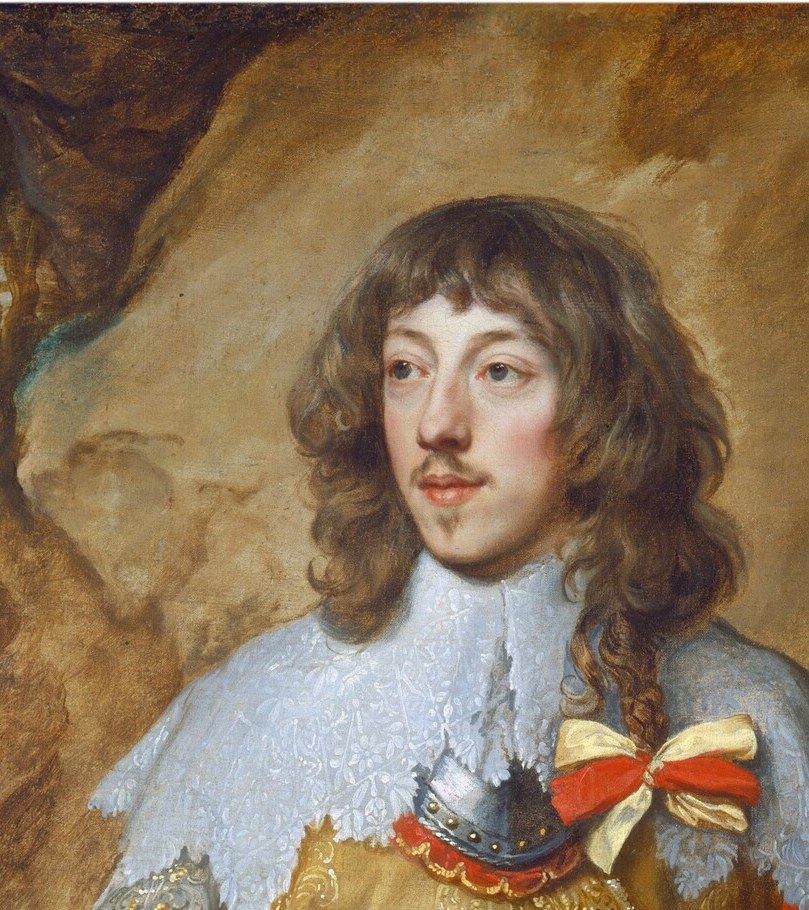
This is Anthony van Dyck's portrait of Henri II de Lorraine, Duke of Guise, painted around 1634. It hangs today in the National Gallery of Art in Washington. Henri is barely twenty years old here, but the face Van Dyck gives him is not a young man's face. The mouth is soft, almost boyish, but the eyes are direct and guarded. He looks like someone who learned early that the world would expect him to perform a role, and that no one would ask whether he wanted it.
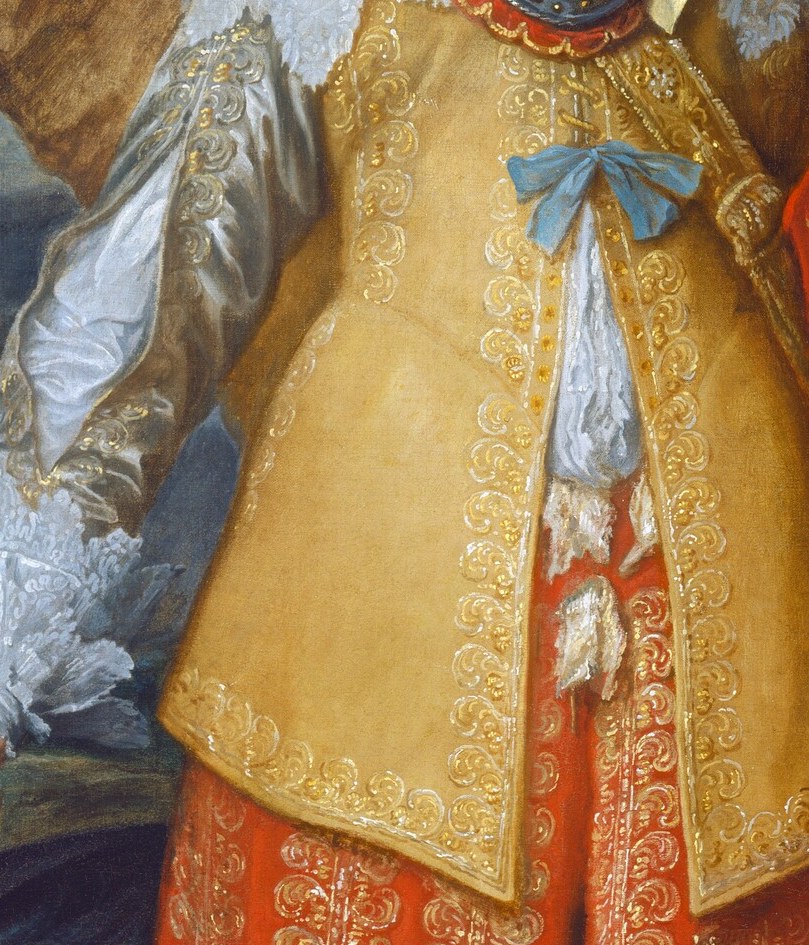
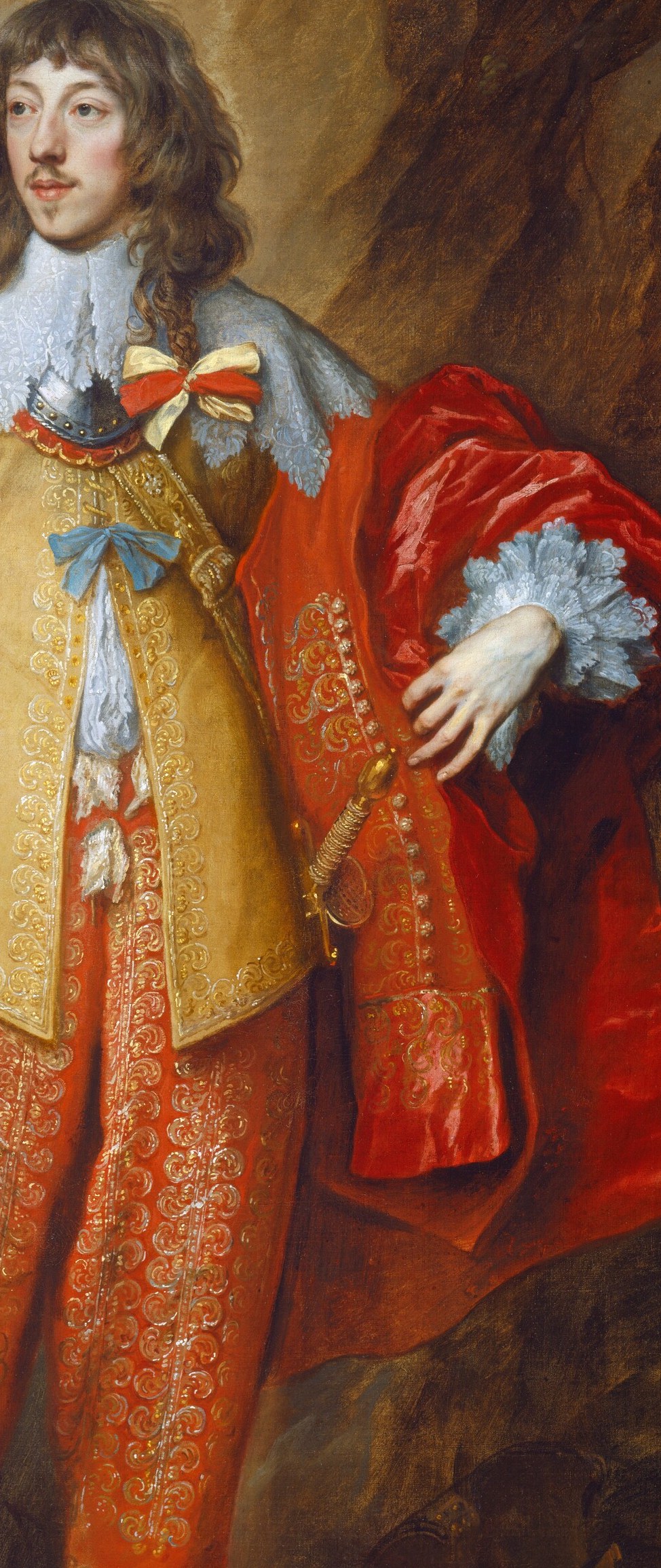
Look at the blue ribbon crossing his chest. That is the cordon of the Order of the Holy Spirit, the senior chivalric order of the French crown. Henri received it as a child, before he could possibly have earned it. It was his birthright, not his achievement. Now look at his right hand, raised with the palm slightly upturned. Van Dyck used this gesture again and again as a signature of aristocratic ease, but here it reads differently. It is the hand of someone explaining himself, or perhaps defending himself, to a room that has already made up its mind.
Henri was born into one of the most powerful families in France, the House of Guise. But his father, Charles, backed the wrong side in the political struggles of the 1630s and was forced into exile, dying in Italy in 1640. Henri inherited a dukedom that was more symbol than substance, a name that carried centuries of weight but almost no remaining power. He spent his life trying to restore what had been lost. Van Dyck, himself a court painter who understood exactly what it cost to perform for royalty, painted him not as a triumphant prince but as a young man already carrying the weight of a broken dynasty.
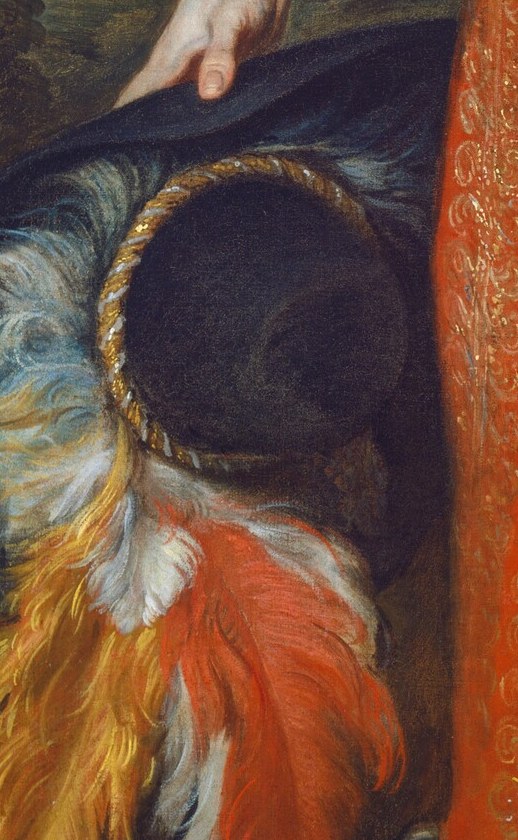
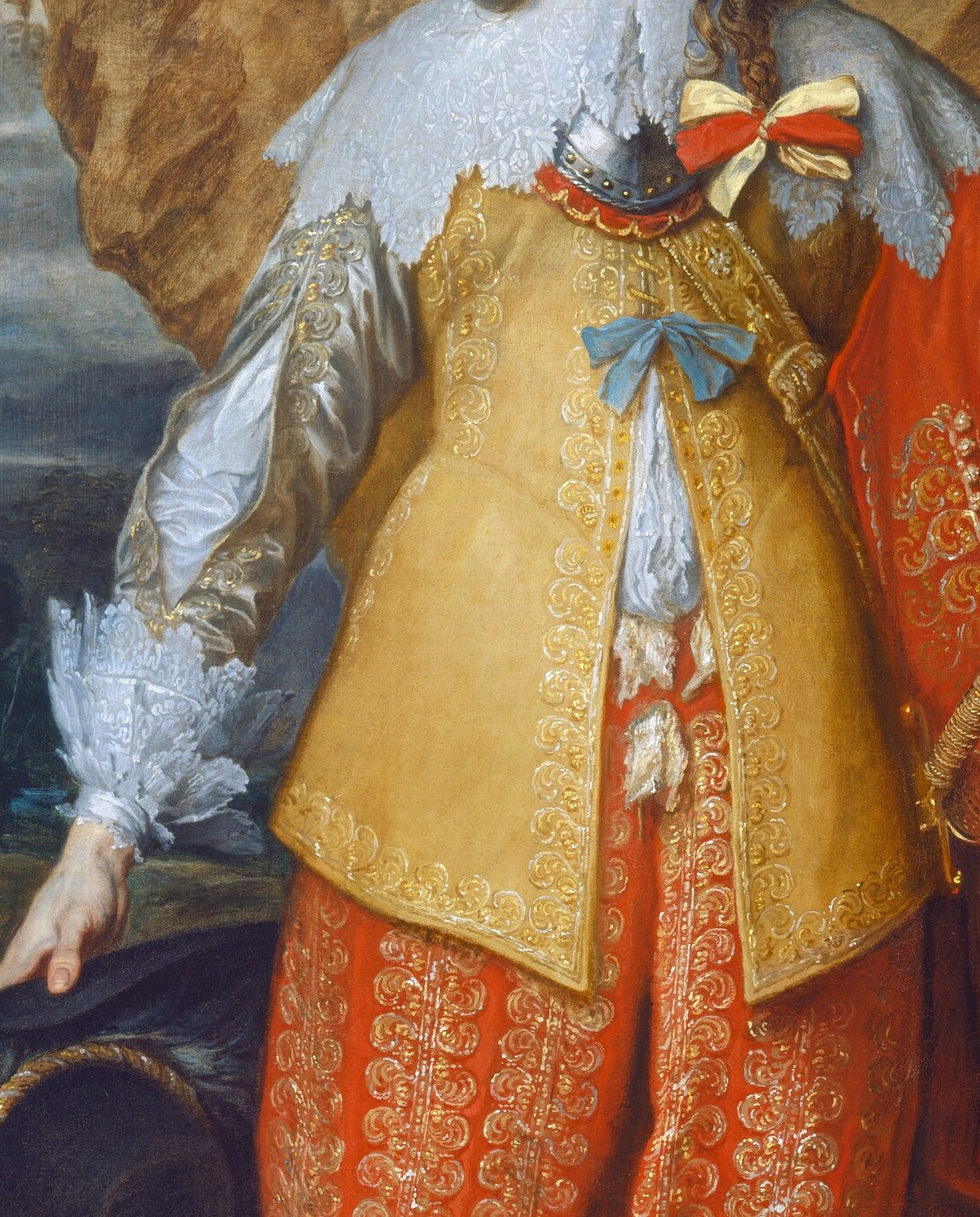
Every element of the portrait serves the performance: the golden doublet, the red satin cape, the lace collar so fine it could only come from Flanders. But the face tells the truth. Van Dyck lets the boy through the mask.
Details
Transcript
He looks like a man who has already buried his father. But Henry II of Lorraine is barely twenty in this portrait. The blue sash across his chest marks him as a Knight of the Holy Spirit. It was France's highest honor. He received it as a child. His hand is open, as if mid-sentence. Van Dyck gave him a voice. His father died in exile. His family's power was broken before he could inherit it. Van Dyck paints the red satin as liquid fire. But the face is what holds you.