Portrait of Eleonore von Gonzaga (1598-1655), wife of Ferdinand II by Justus Sustermans
This is Justus Sustermans's "Portrait of Eleonore von Gonzaga" (c. 1621) from the Kunsthistorisches Museum. The painting is a visual coded message about imperial status and virtue.
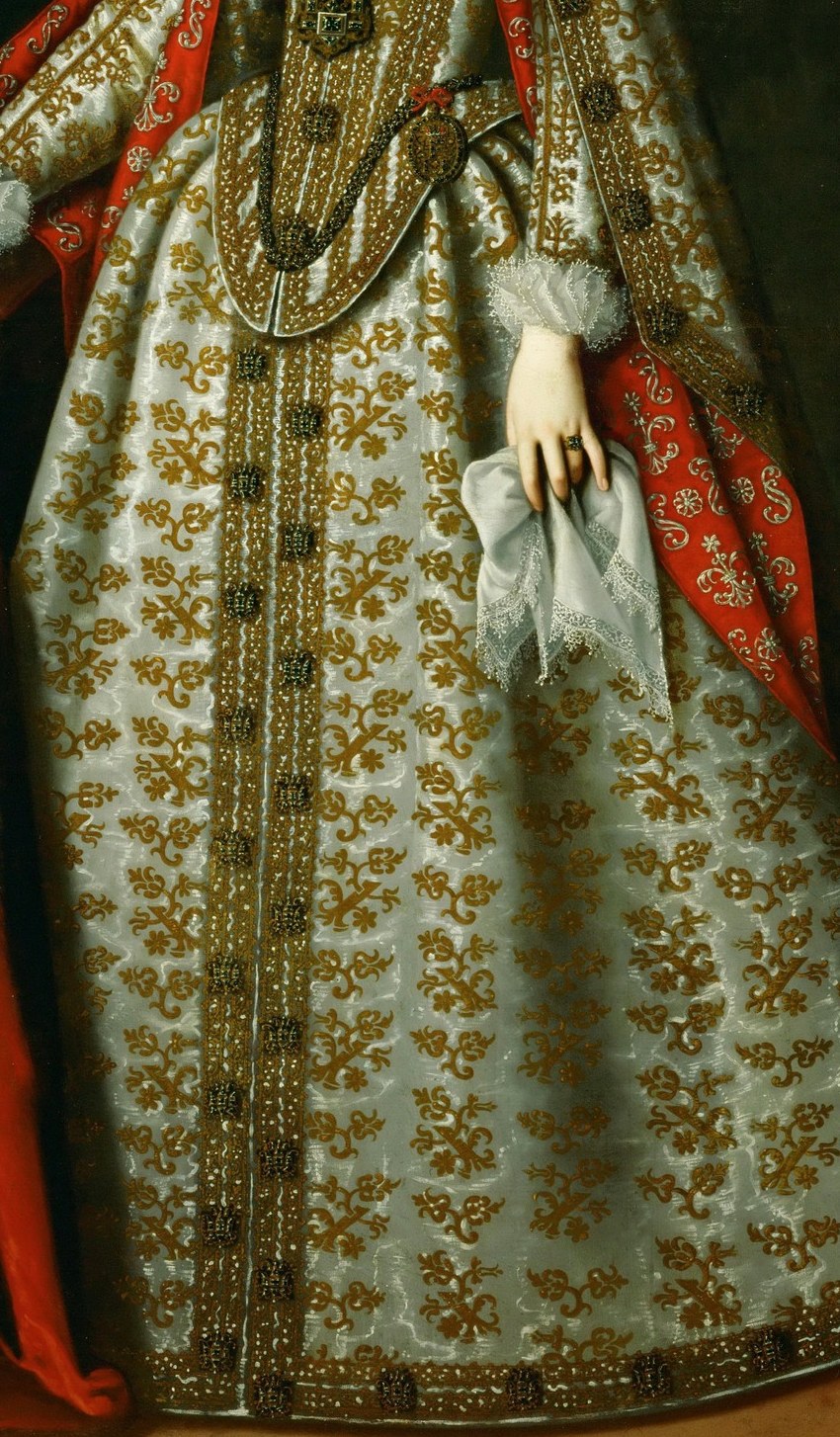
Look at Eleonore's opulent dress, heavy with gold embroidery, and her dazzling jeweled necklace. These are clear markers of her wealth and high social standing. The small dog at her side, a common symbol of fidelity, is accompanied by her gentle hand, adding a layer of domestic warmth and personal virtue to the regal portrait.
Justus Sustermans was invited to Vienna by Holy Roman Emperor Ferdinand II to paint members of the Imperial family. He later became the court painter to the influential Medici family, earning him fame as a premier portraitist.
Through these carefully chosen symbols, Sustermans crafted a portrait that is more than just a likeness; it is a declaration of Eleonore von Gonzaga's position and character.
Details
Transcript
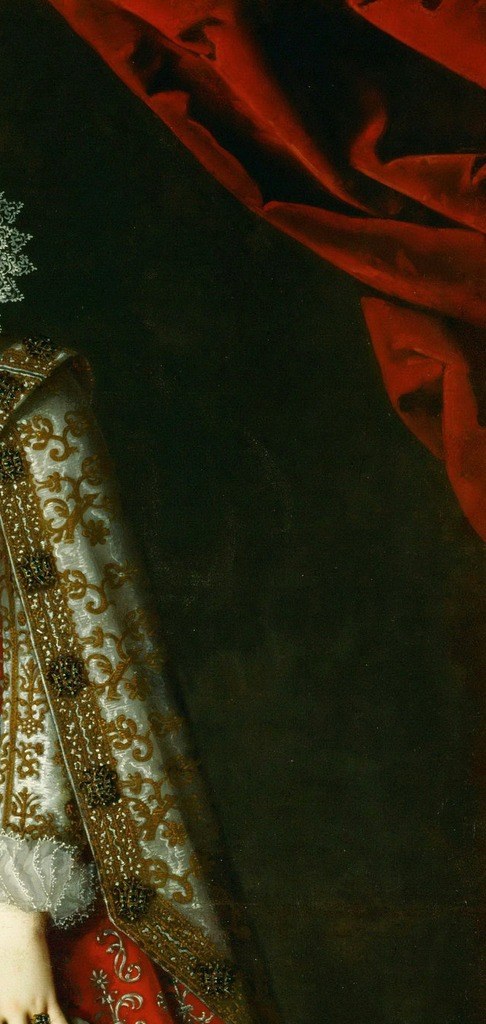
Who was this empress Eleonore von Gonzaga? Her golden dress speaks of imperial wealth. Her necklace signifies high social standing. The dog represents fidelity and companionship. Her hand on the dog shows gentle intimacy. The velvet curtain frames a grand interior. The painter, Sustermans, was court painter to the Medici. These symbols reveal an empress of status and virtue.