Egyptian Woman by John Singer Sargent
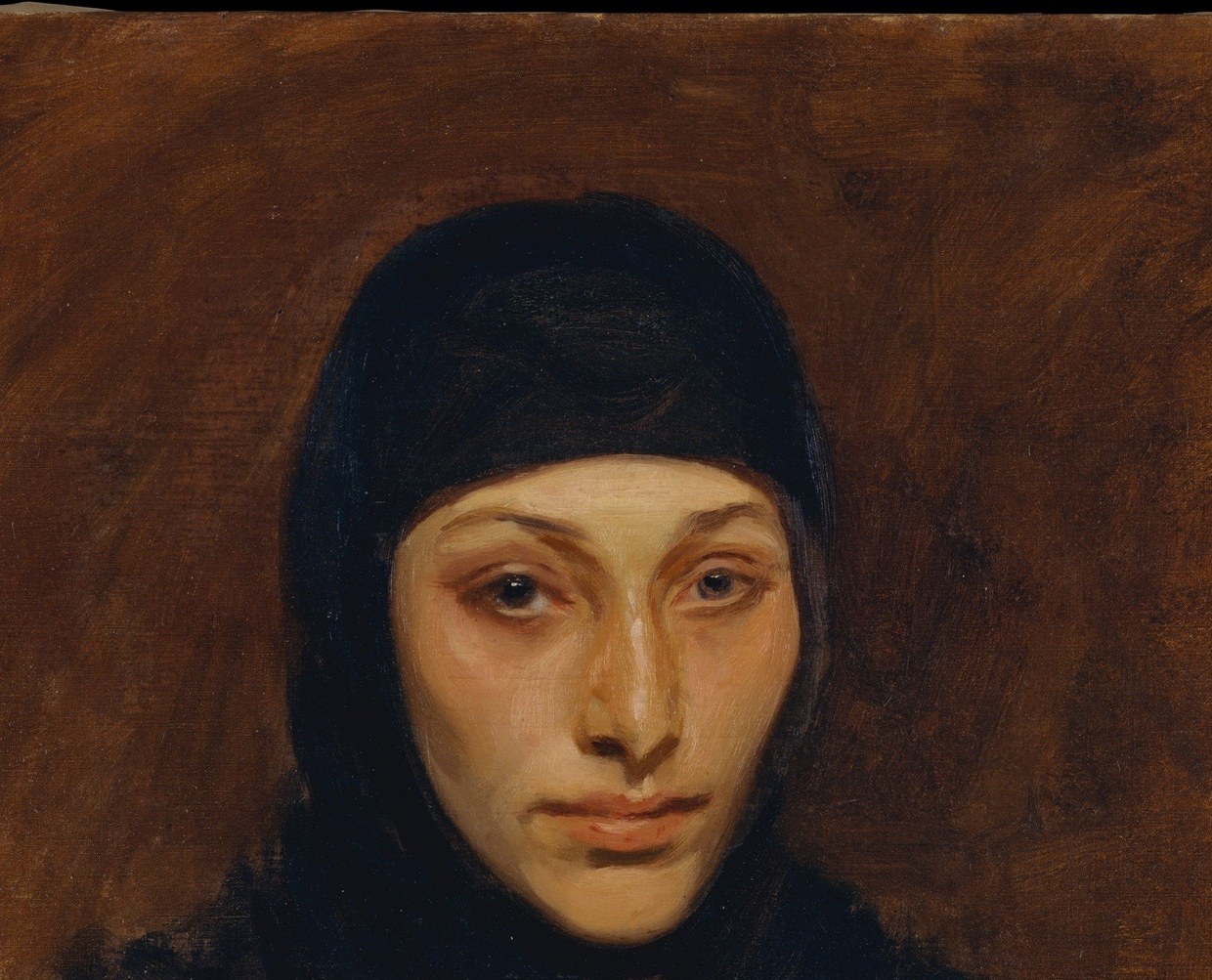
John Singer Sargent's "Egyptian Woman" (1890) at The Met is a portrait made for no commission and no patron. It exists because Sargent was curious.
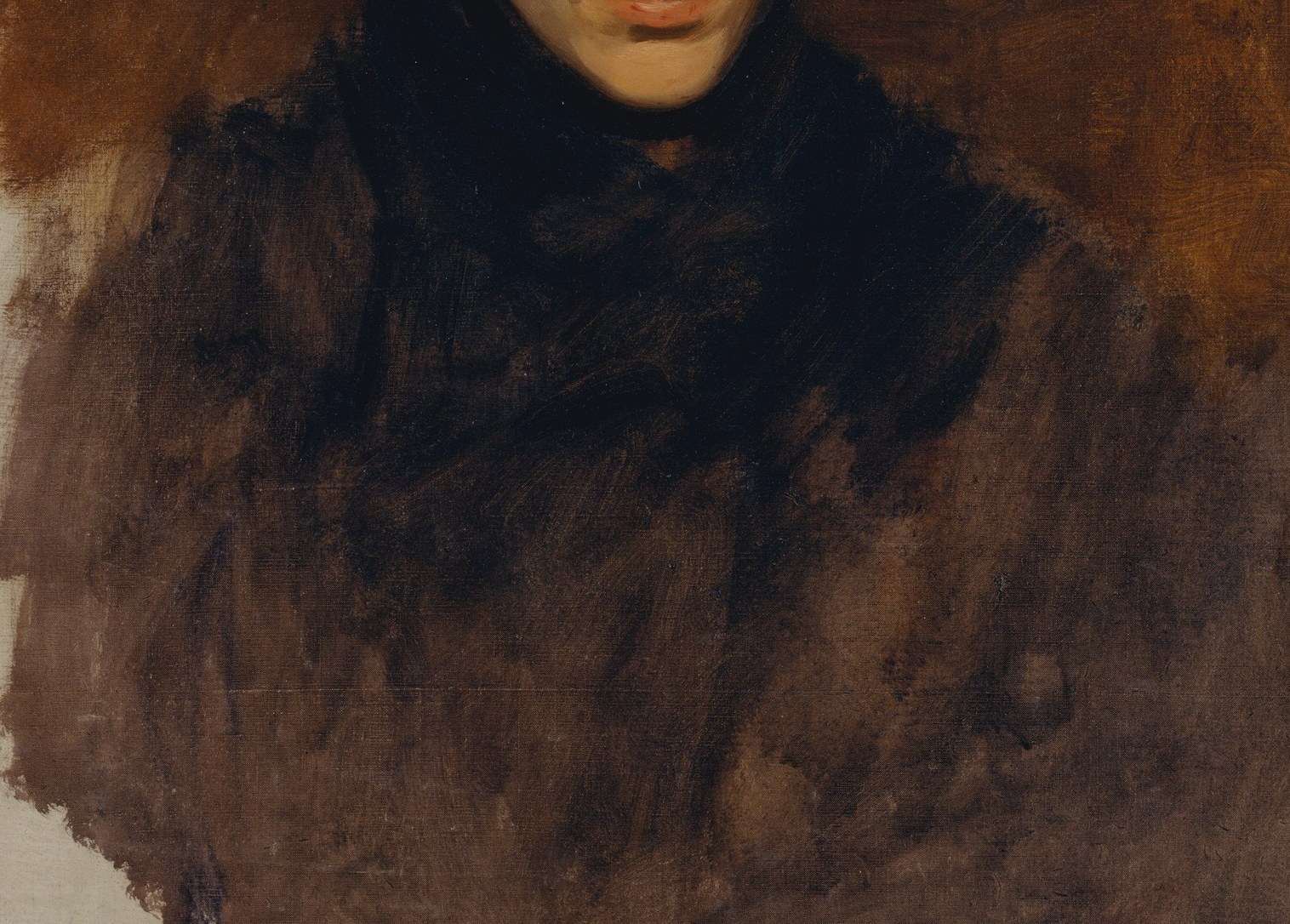
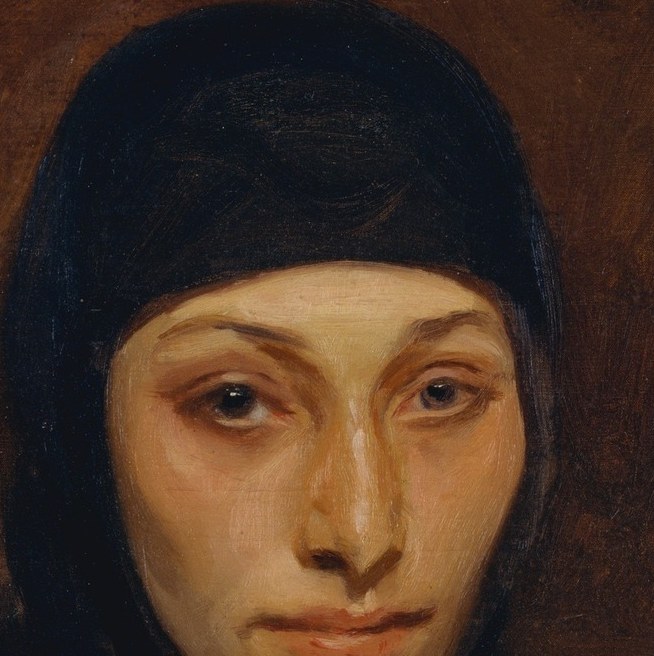
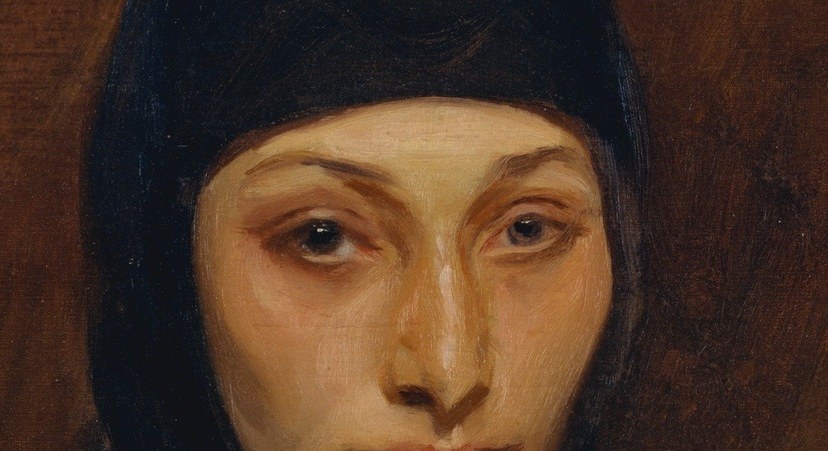
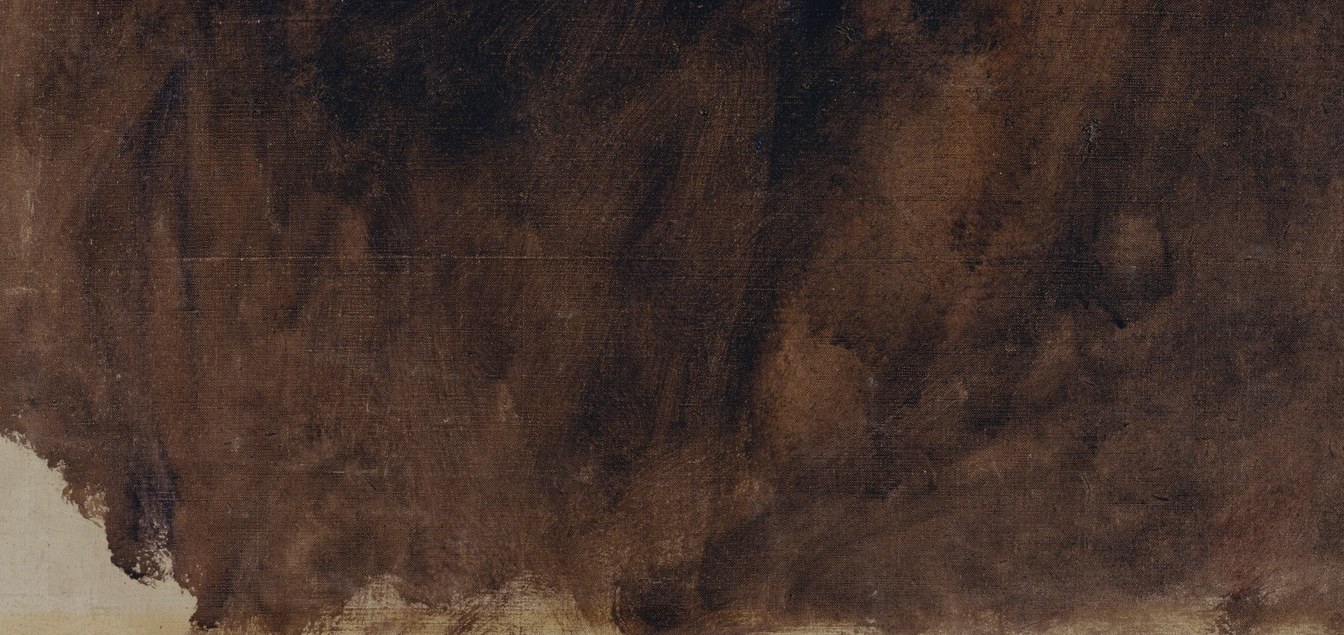
Look at the eyes. They are the first thing the painting gives you and the last thing it lets go. A dark, heavy-lidded gaze that feels guarded and present at once. The warm ochre highlight on her brow and cheeks was dragged across wet underpaint with a loaded brush, pure alla prima confidence. Then look at the lower robe. The ground shows through. He stopped when the point was made.
Sargent painted this during a trip through Egypt in 1890-91, part of his restless, lifelong itinerary. He had already fled Paris after the Madame X scandal and reinvented himself in London. But the commissioned society portraits that paid his bills never satisfied him entirely. In Egypt he painted people he met, not people who paid him, and the speed of the work reflects an artist moving toward Impressionism.
The veil and loose umber background root the work in its place. The veil marks identity and frames the face like architecture. The hazily resolved background at left and right was left deliberately unresolved, an amber haze that evokes the Egyptian sun while pushing every ounce of attention onto the woman herself. Not a symbol. A person.
Details
Transcript
In 1890, an American arrived in Cairo. He was already famous for painting society women in silk. But here, he chose a different kind of subject. Look at the light on her brow and cheekbones. A warm ochre, dragged fast over wet underpaint. The veil frames her face, but the eyes hold you. Below, the canvas shows through the thin paint. He left the rest deliberately unfinished.