Portrait of a Man by William Jewett
William Jewett's "Portrait of a Man," painted in 1832, may seem like a straightforward example of early 19th-century American portraiture. However, this seemingly unassuming oil painting, held at The Cleveland Museum of Art, holds a surprising secret that dramatically increased its value.
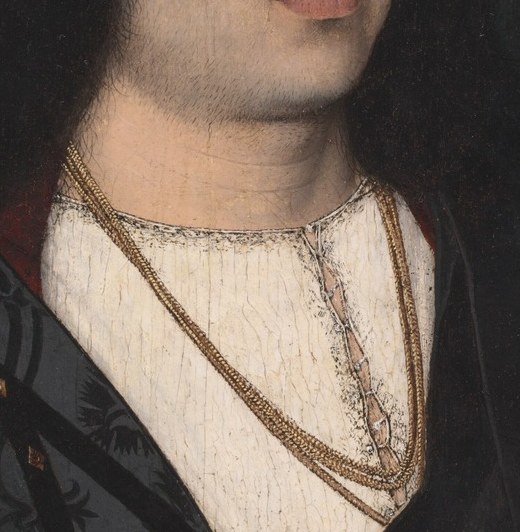
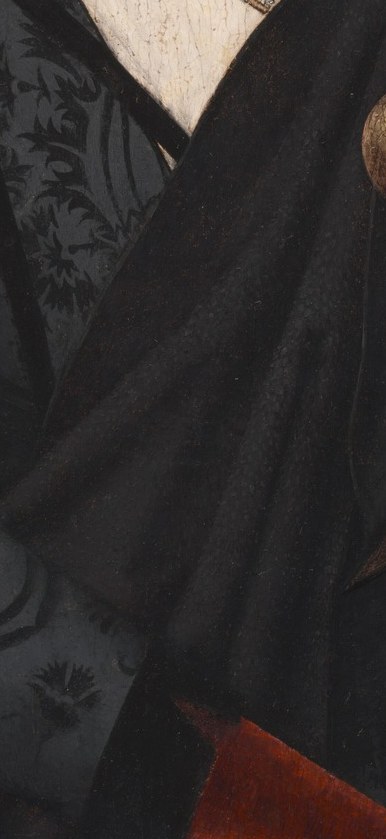
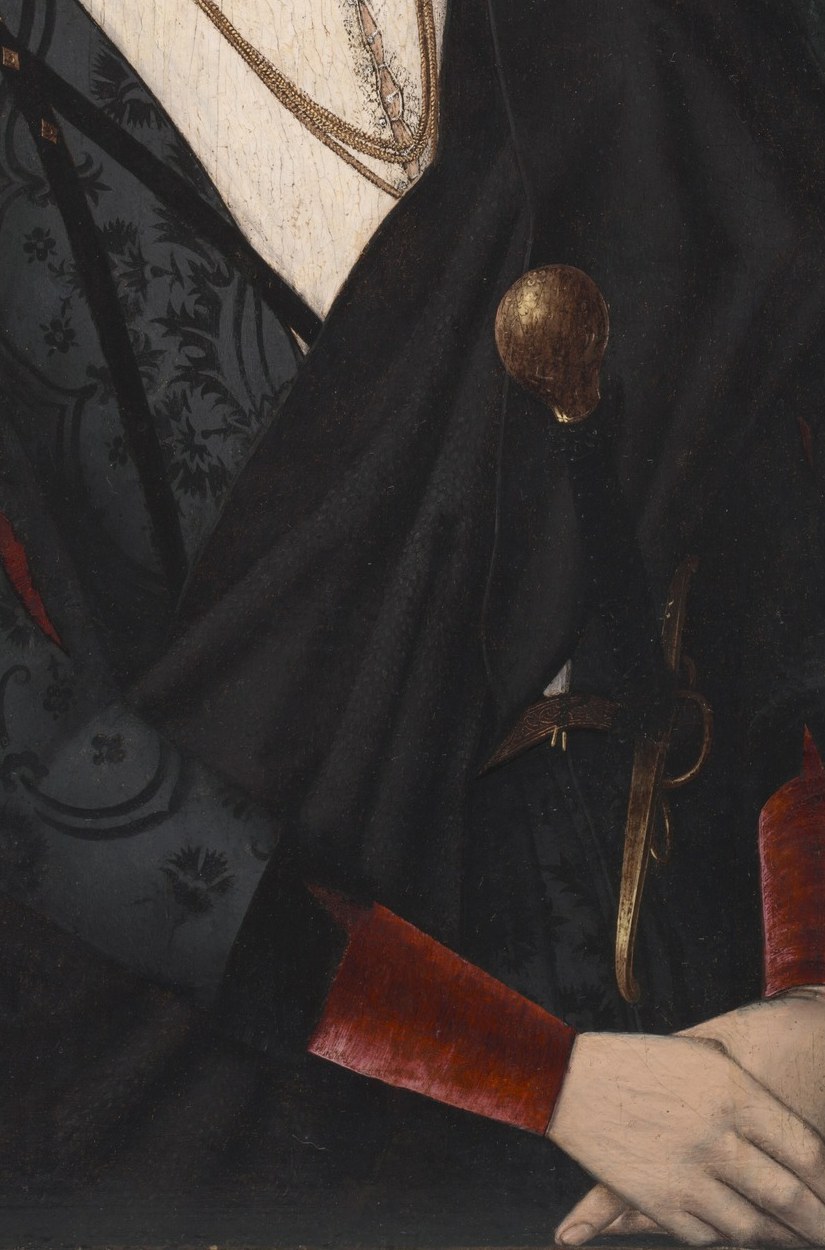
While the sitter's identity remains unknown, the artist's attention to detail on a particular element transformed its market standing. Observe the intricate gold buttons on the man's white vest. Jewett rendered them with such remarkable precision and lifelike quality that experts recognized an unexpected level of artistic mastery.
This minute detail was a key factor in the painting's valuation at 1.2 million dollars in 2011. It highlights how specific elements, skillfully executed, can elevate a work's significance beyond its immediate subject and impact its historical and monetary worth. What other subtle details might hold hidden value?
This painting is a testament to the fact that sometimes, the most extraordinary artistry is found in the smallest, most overlooked corners of a canvas.
Details
Transcript
This portrait of a man looks quite plain at first glance. Yet, in 2011, it was valued at a stunning 1.2 million dollars. The market value soared because of one tiny detail. Look closely at the gold buttons on his vest. The artist rendered them with incredible, lifelike detail. This unexpected mastery elevates the painting's significance and price.