The First Communion by Eugène Carrière
Eugène Carrière's "The First Communion," painted in 1898, is a contemplative portrait that masterfully uses a subdued palette to evoke deep emotion. Housed at The Metropolitan Museum of Art, it exemplifies the artist's unique Symbolist style.
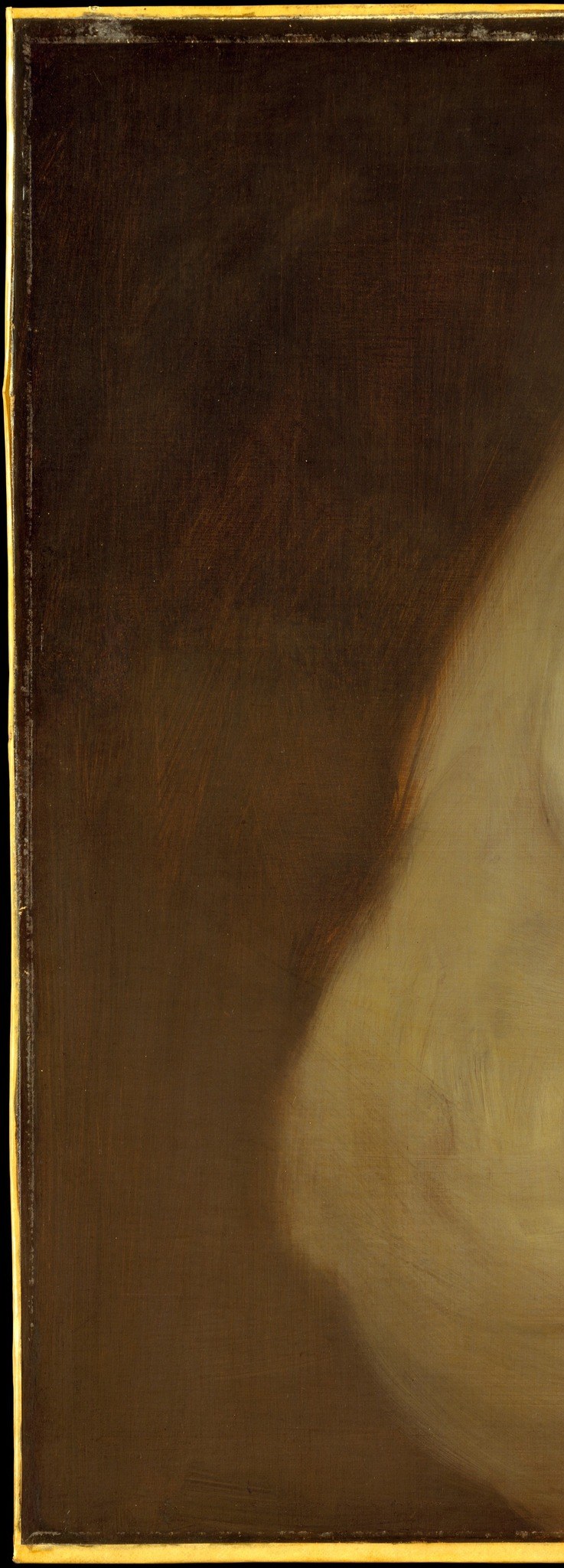
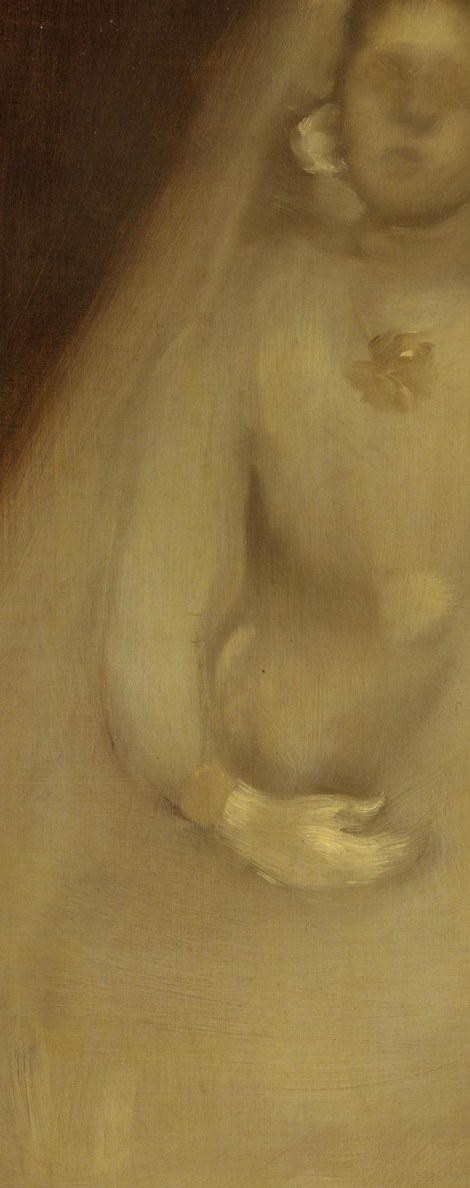
Observe how Carrière employs soft, almost ethereal brushstrokes, particularly in the translucent veil and the gentle illumination on her face. Her clasped hands and veiled expression invite introspection, suggesting a moment of quiet solemnity or prayer.
Carrière was a French Symbolist artist, known for his near-monochrome brown paintings and their dreamlike quality. His close friendship with Auguste Rodin and his influence on artists like Picasso's Blue Period highlight his significance in late 19th-century art. His work often sought to express inner states rather than mere external appearance.
What emotions do you feel when you look at her quiet intensity?
Details
Transcript
This painter was known for soft, dreamlike portraits. He often used a near-monochrome palette of browns. See how the light gently sculpts her form. Her face, softened by the veil, is deeply contemplative. Her clasped hands suggest prayer or quiet resignation. The painting invites viewers to feel, not just to see.