Anne-Marie de Bourbon, future princess of Conti and Louis de Bourbon, count of Vermandois by Louis-Édouard Rioult
This 1839 portrait by Louis-Édouard Rioult depicts Anne-Marie de Bourbon, future princess of Conti, and her brother Louis, Count of Vermandois, capturing a moment in their aristocratic childhood. Now held at the Palace of Versailles, it speaks volumes about the expectations placed upon noble offspring.
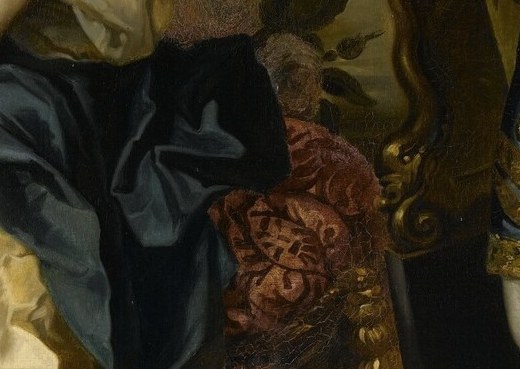
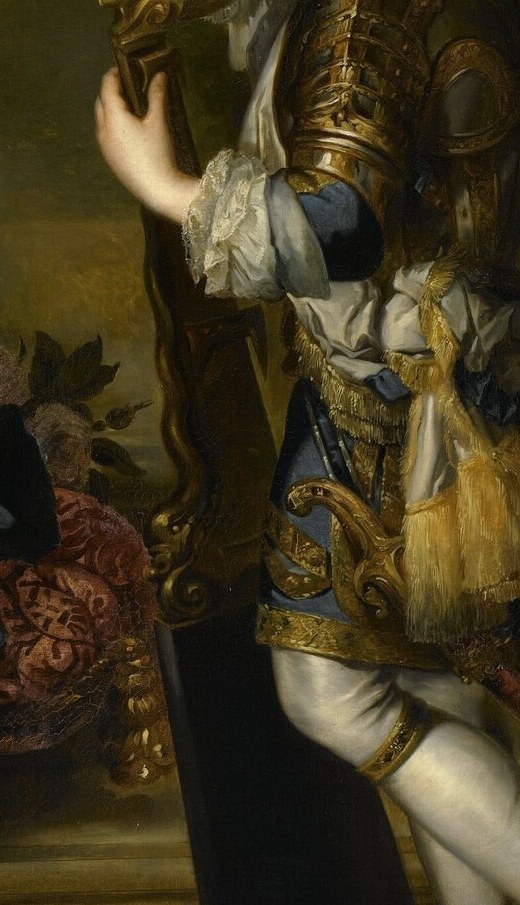
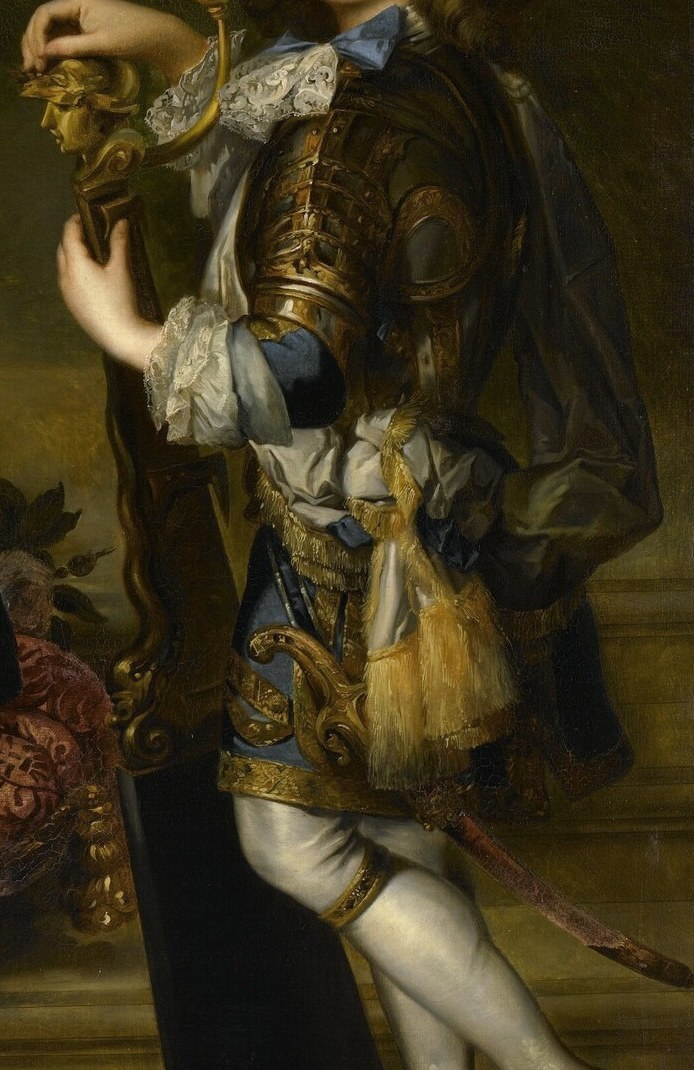
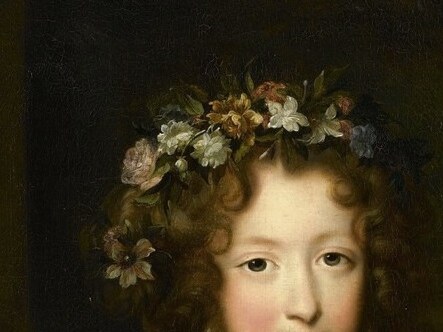
Look closely at the symbols Rioult included: the girl’s delicate bouquet of flowers, representing youthful beauty and innocence, contrasts with her brother's attire. His small toy sword and ornate armor clearly hint at a future of military duty and high status.
The painting is a superb example of early 19th-century French portraiture, showcasing the smooth, academic brushwork of the period. Rioult meticulously renders the rich fabrics and details, creating an idealized, genteel representation of the Bourbon lineage.
It’s a fascinating glimpse into a world where childhood portraits weren't just about likeness, but about conveying a destiny. What other subtle clues do you see?
Details
Transcript
These children of the Bourbon family lived a life of duty. Her delicate bouquet symbolizes youthful beauty and innocence. Yet her brother's toy sword hints at a military future. And his ornate armor shows his noble lineage, even as a child. Painted in 1839, their portrait reflects aristocratic expectations. A life of beauty, duty, and status, all visible in one painting.