Alexandre Charles Emmanuel de Crussol-Florensac (1743–1815) by Élisabeth Louise Vigée Le Brun
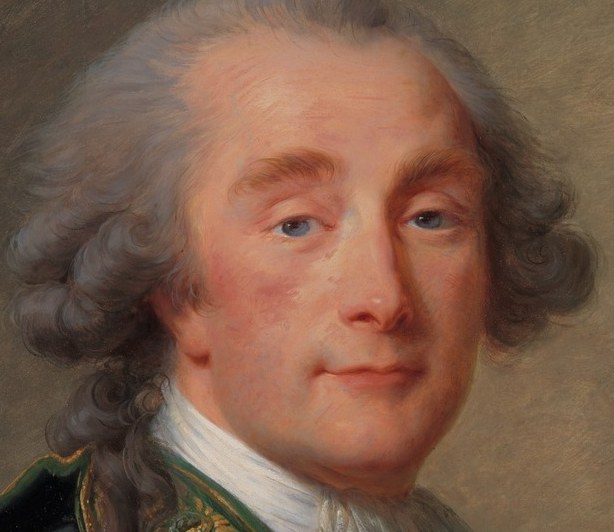
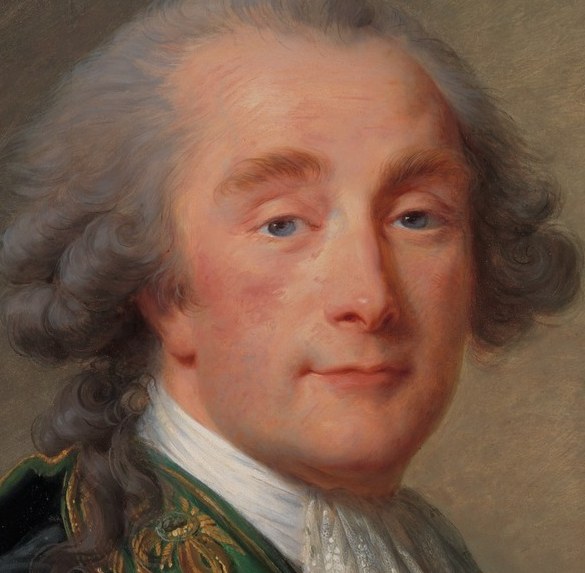
This striking oil portrait, painted by Élisabeth Louise Vigée Le Brun in 1787, depicts Alexandre Charles Emmanuel de Crussol-Florensac. It offers a fascinating glimpse into the aristocratic world just before the French Revolution. Vigée Le Brun, a renowned portraitist, was celebrated for her ability to capture individual likenesses, even serving as portrait painter to Marie Antoinette.
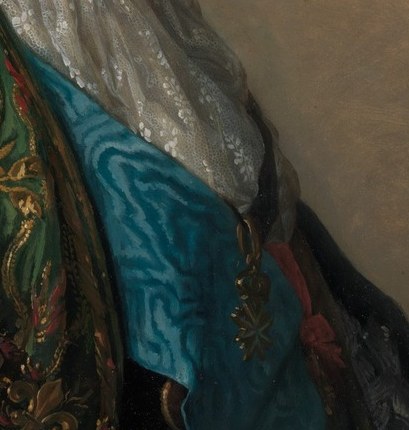
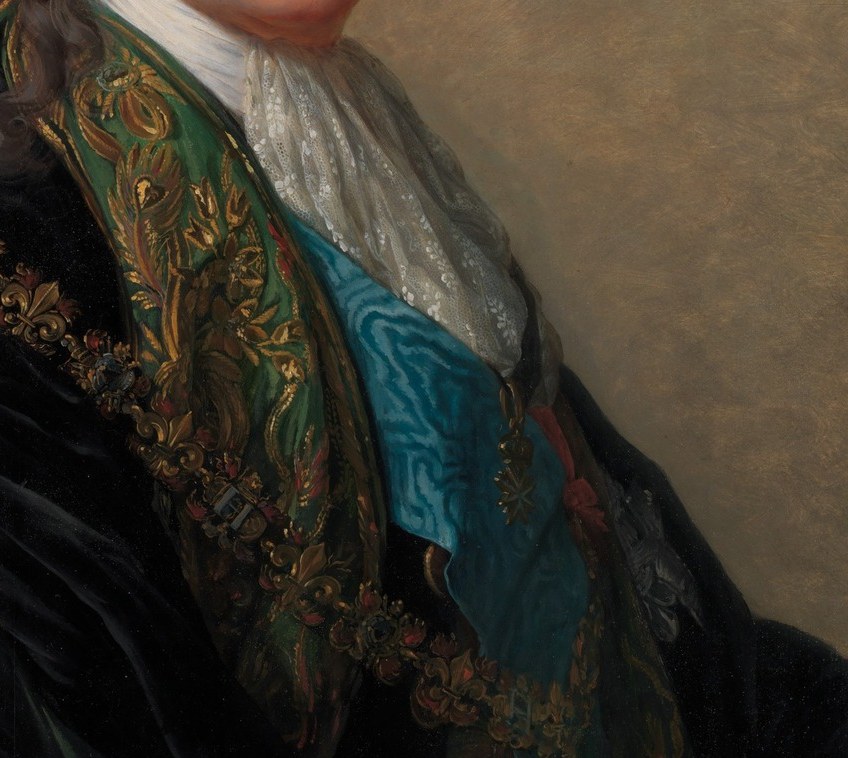
Look closely at the subject's attire: the powdered wig, the blue sash, and the star badge on his coat all signify his high social standing and connections within the French elite. The intricate gold embroidery on his collar further emphasizes the luxury and status of the era's fashion.
Vigée Le Brun's career flourished in pre-Revolutionary France, blending Rococo elegance with Neoclassical clarity. This work reflects her distinctive artistic voice, which remained influential even amidst profound political and social change.
What details in his clothing best convey his importance?
Details
Transcript
This man posed in 1787, just before revolution changed everything. His powdered wig was the height of fashion for the French elite. The vibrant blue sash marks him as a man of high rank. And this star badge signifies his chivalric or military order. His ornate collar, heavy with gold, screams aristocratic wealth. The painter, Élisabeth Vigée Le Brun, was Marie Antoinette's favorite.