Snow Scene by Bruce Crane
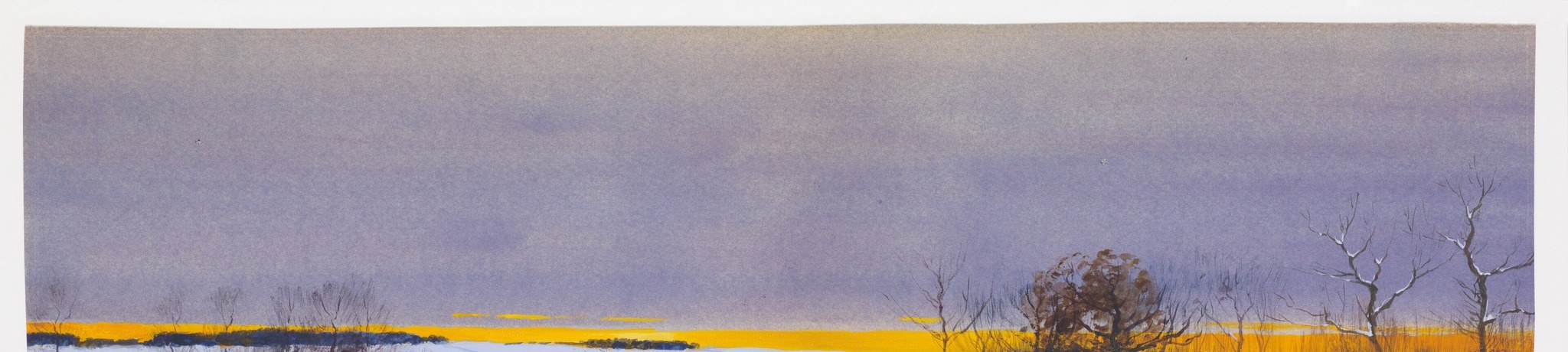
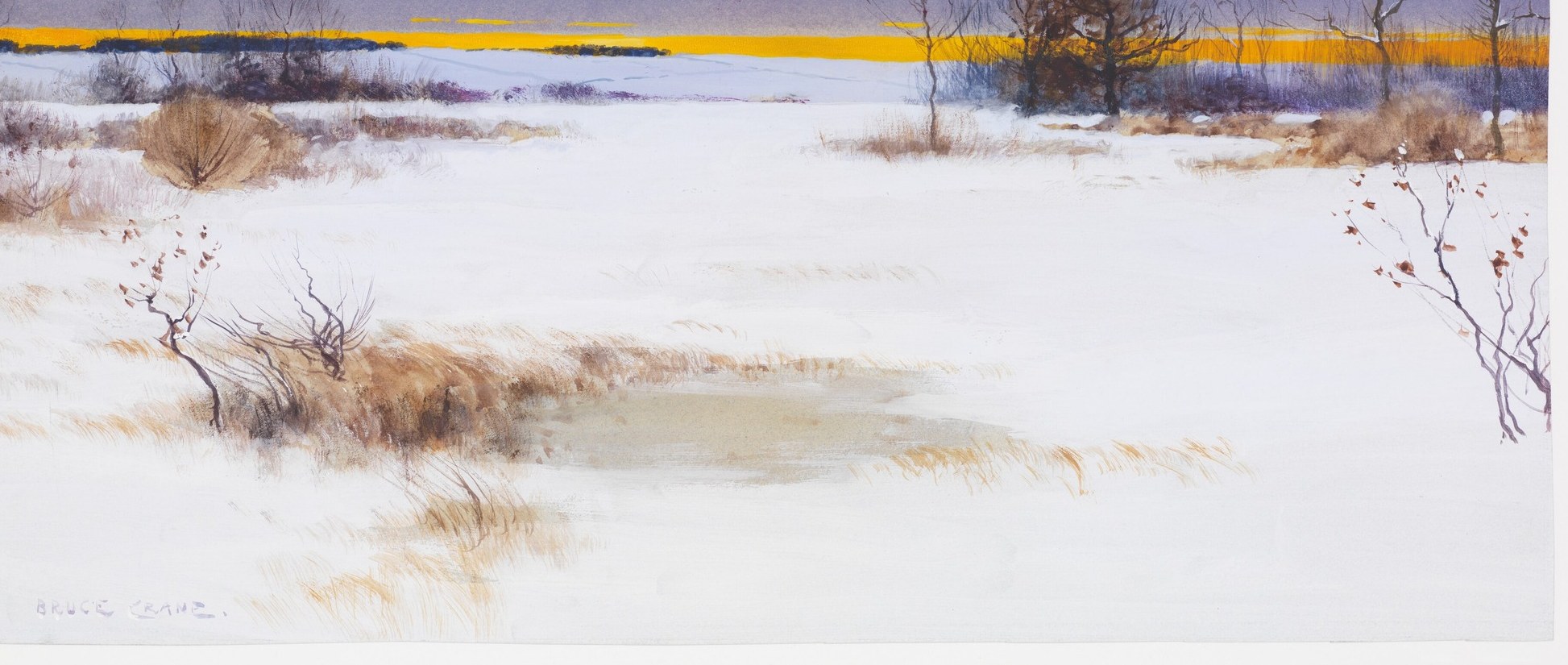
Robert Bruce Crane's *Snow Scene*, painted in 1897, perfectly exemplifies the Tonalist movement's focus on mood and atmospheric effects over sharp detail. This serene landscape can be found in a private collection.
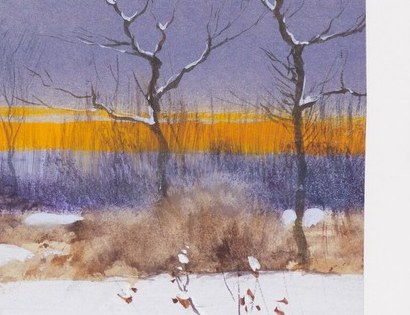
Notice the soft, muted color palette that creates a tranquil winter scene. Crane masterfully uses delicate hues, making the snow appear to emit a gentle glow, and blending the elements into an ethereal composition.
Crane, an American painter, developed into a Tonalist under the influence of Jean-Charles Cazin. He often worked from memory in his Bronxville studio, translating outdoor sketches into finished works. His mature pieces, like *Snow Scene*, almost exclusively depicted autumn and winter landscapes.
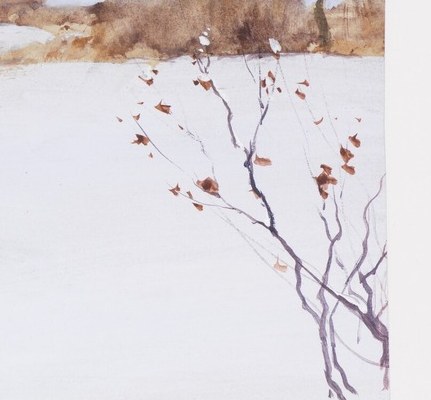
This painting invites a moment of quiet contemplation. What subtle details do you notice in the blend of snow and sky?
Details
Transcript
This painter was a Tonalist, focused on mood and atmosphere. He often worked from memory, in his studio in Bronxville, New York. Notice the subtle, muted colors in this quiet winter scene. A delicate glow emanates from the snow, characteristic of his technique. His mature works, like this one, nearly always depicted winter. He captures the quiet contemplation of a desolate, serene environment.