Dr. Philemon Tracy by American 18th Century
In the portrait "Dr. Philemon Tracy" by an unknown American 18th-century artist, circa 1790, at the Metropolitan Museum of Art, a small, subtle detail reveals everything about the sitter's life. While his fine attire and refined setting suggest wealth and social standing, a closer look at his hands tells a deeper story.
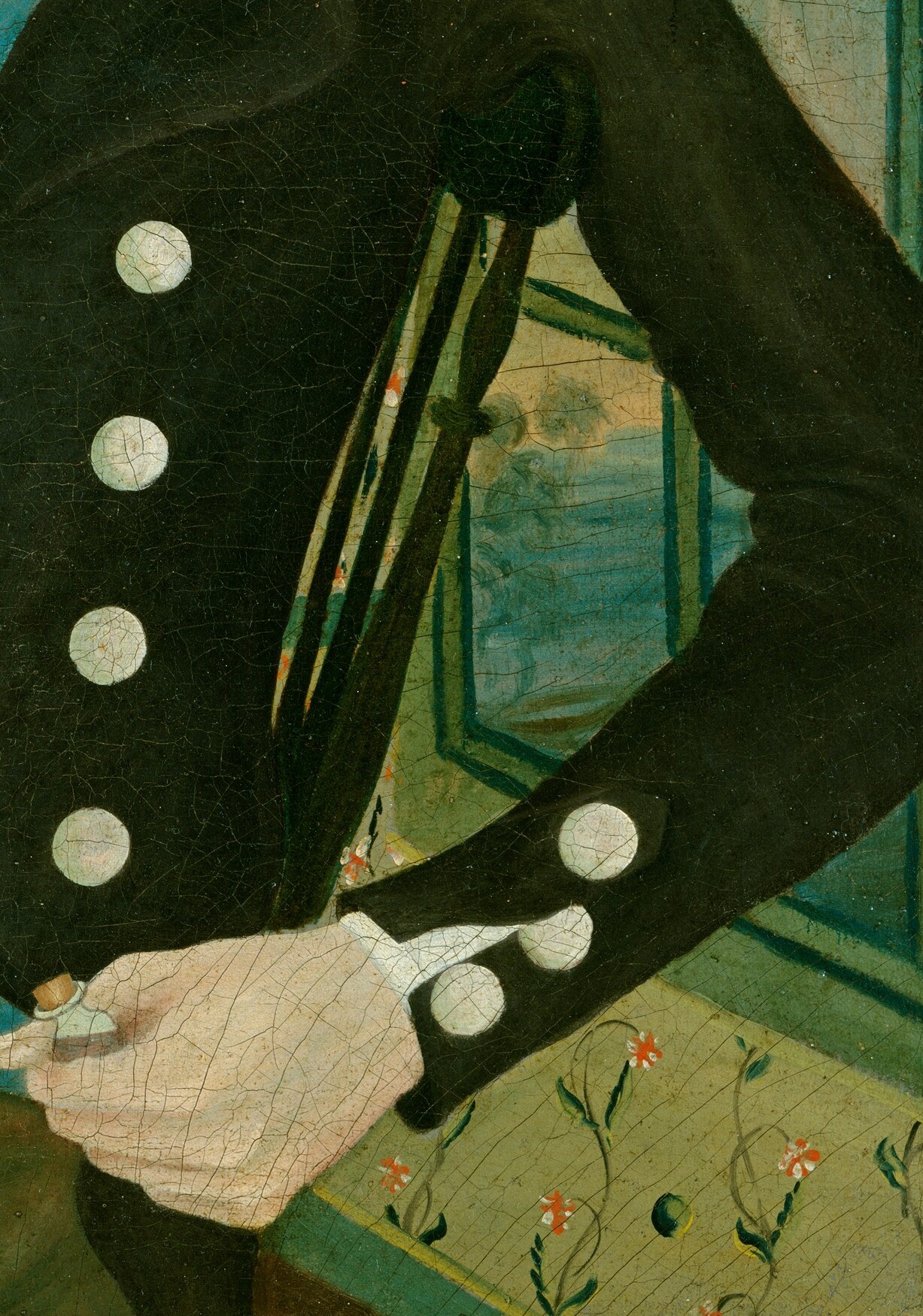
Notice the small object Dr. Tracy holds in his right hand. This isn't just a prop; it's a medical lancet, a tool used for bloodletting, a common medical practice of the era. This unassuming detail transforms the portrait from a simple depiction of a gentleman into a clear statement of his profession.
The use of oil on a complex support of paper, board, and canvas allowed the artist to capture such intricate details, grounding the figure in his reality. The painting offers a fascinating glimpse into how subtle visual cues were used to convey identity and status in the late 18th century.
What other hidden meanings might be in the paintings around you?
Details


Transcript
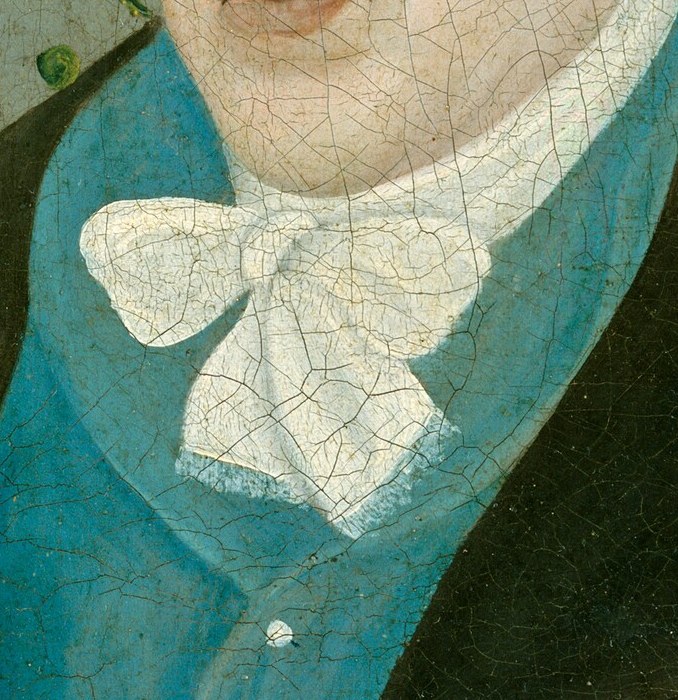
Dr. Philemon Tracy sits, seemingly a man of status. His expensive cravat and fine blue vest signal wealth. The window hints at an office or a study. But his right hand holds a small, significant object. It is a medical lancet, used for bloodletting. This single tool reveals his profession: he was a doctor.