Mr. Van Vechten by Schuyler Limner, The
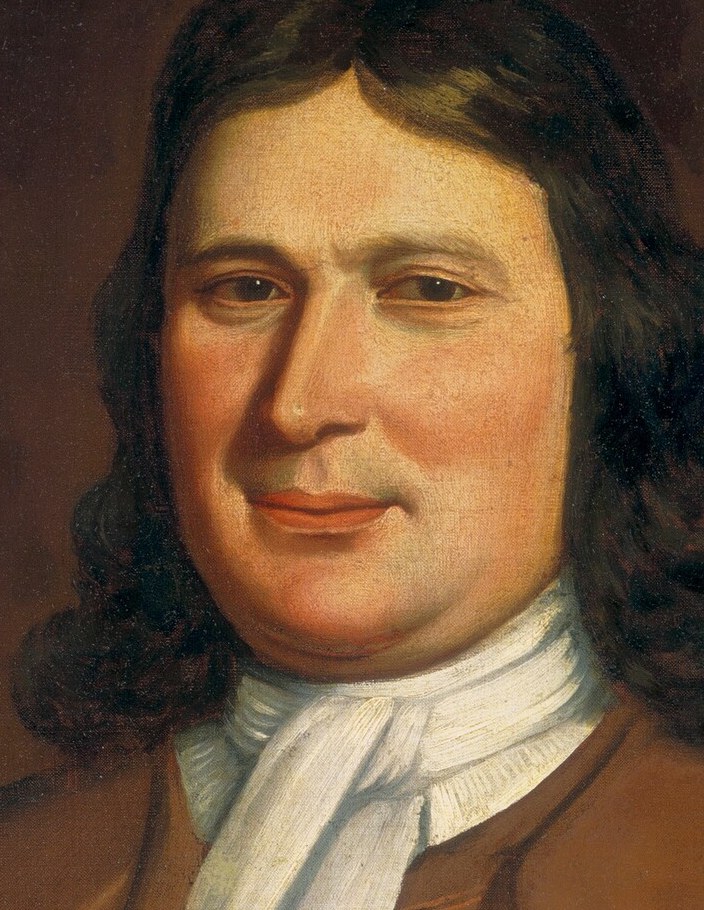
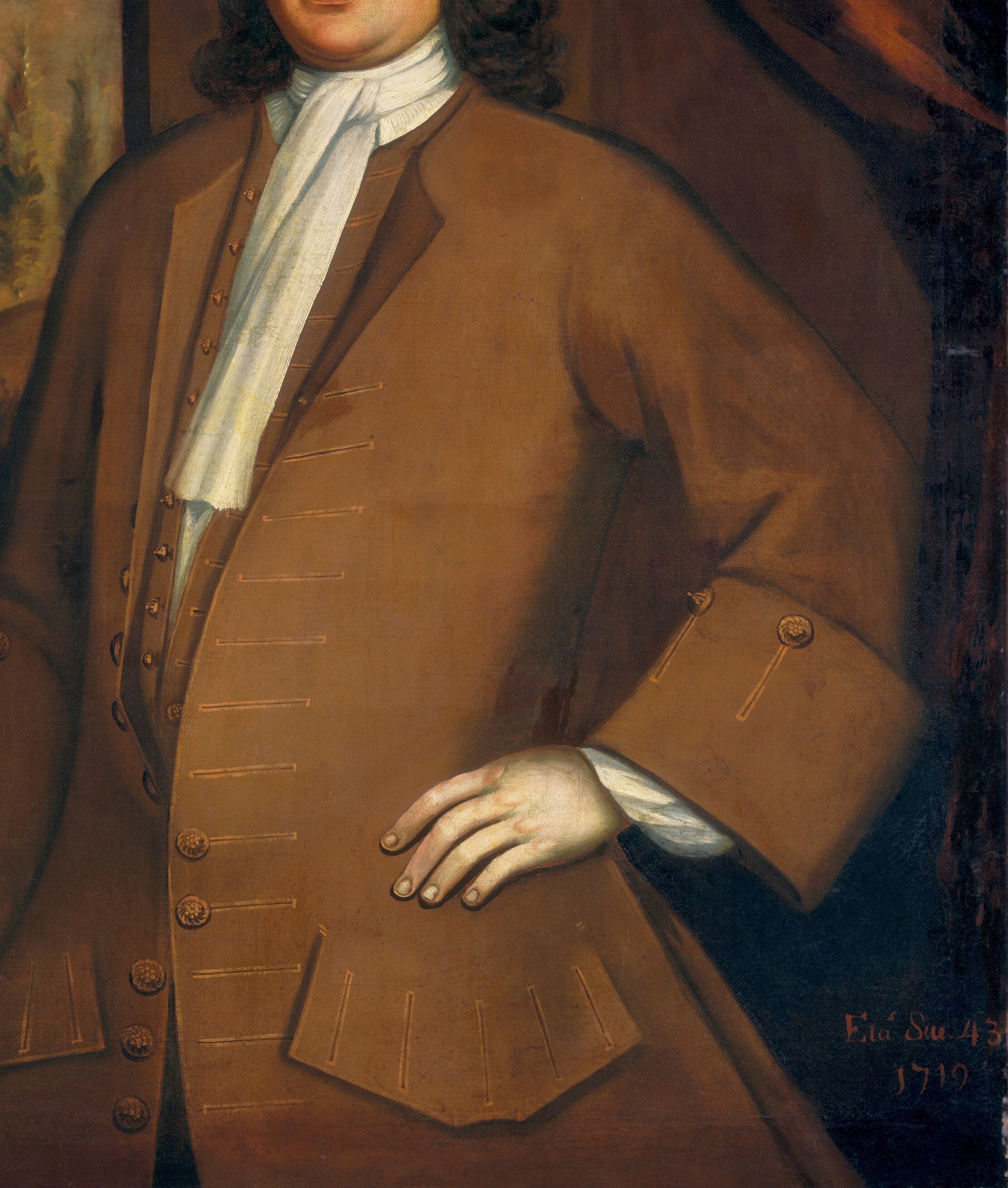
The portrait of Mr. Van Vechten, painted in 1719 by the artist known only as The Schuyler Limner, offers a fascinating glimpse into early 18th-century colonial life despite the painter's anonymity. The name 'The Schuyler Limner' is a modern attribution, a placeholder given to an unknown itinerant artist active in the New York region.
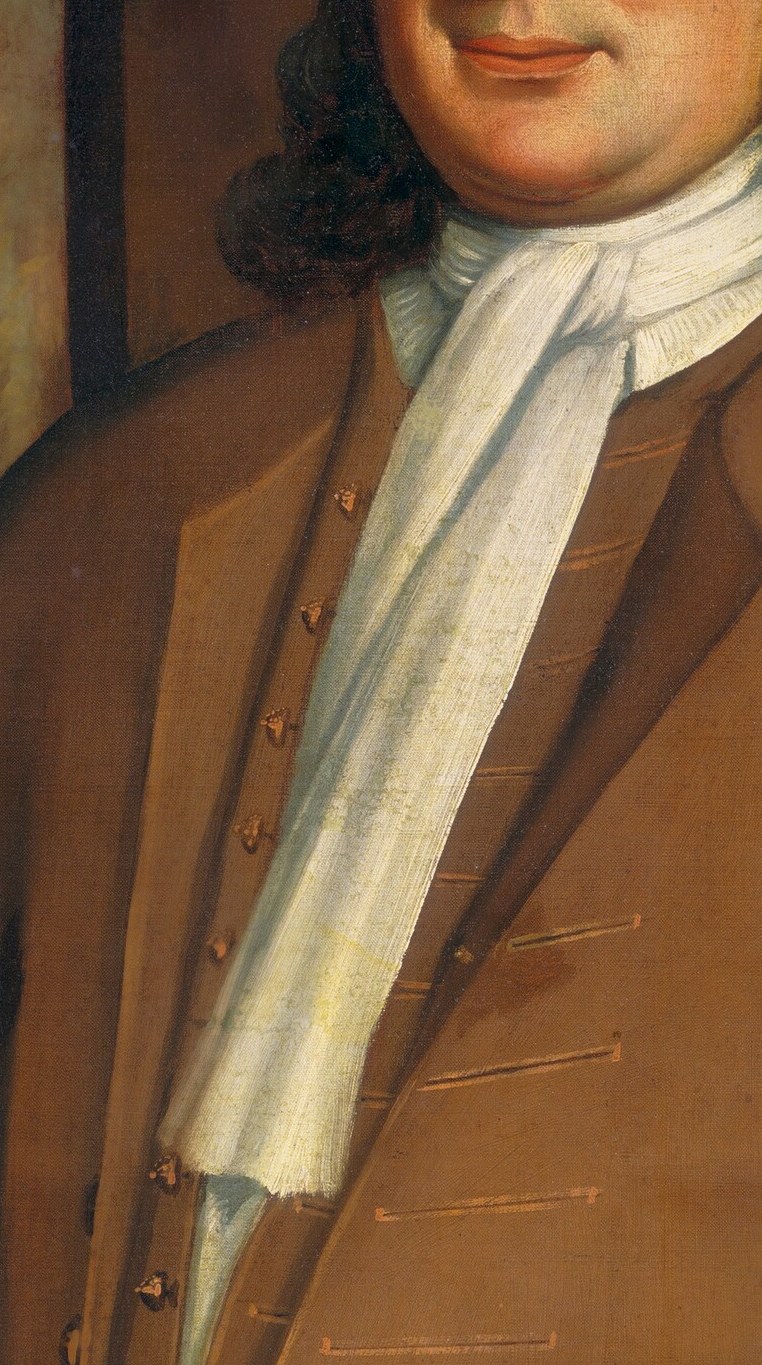
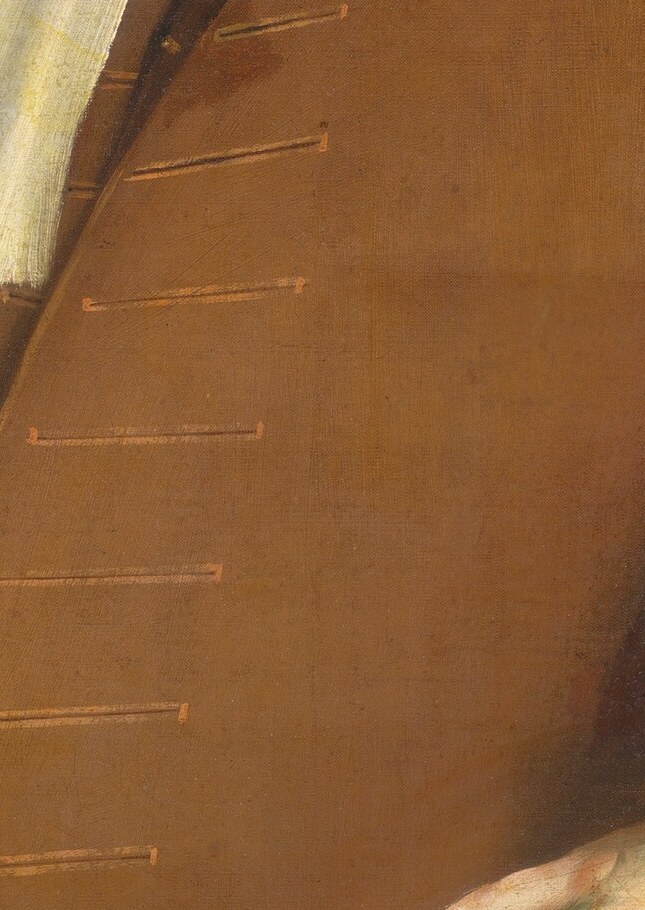
Despite the lack of documented provenance for the artist, the painting itself speaks volumes. Look closely at Mr. Van Vechten's confident pose, his right hand pointing, and the detailed rendering of his attire, from the crisp white scarf to the meticulous buttons on his vest. These details reveal a skilled hand behind the brush.
The Baroque style, evident in the dramatic lighting and naturalistic detail, was popular for such commissions, aligning the sitter with European tastes. This portrait served as both a record of individual status and a means of asserting cultural identity in the colonies.
What do you think these small details tell us about Mr. Van Vechten, or the talented artist who painted him?
Details
Transcript
This portrait of Mr. Van Vechten was painted in 1719. The artist is known only as 'The Schuyler Limner'. This name is a modern invention, given to an unknown painter. But look at his right hand, pointing with assurance. The folds of his crisp white scarf highlight his status. Even the tiny buttons on his vest show the painter's skill. This unknown artist could capture a man's presence.