The Fable of the Miller, His Son, and the Donkey by Elihu Vedder
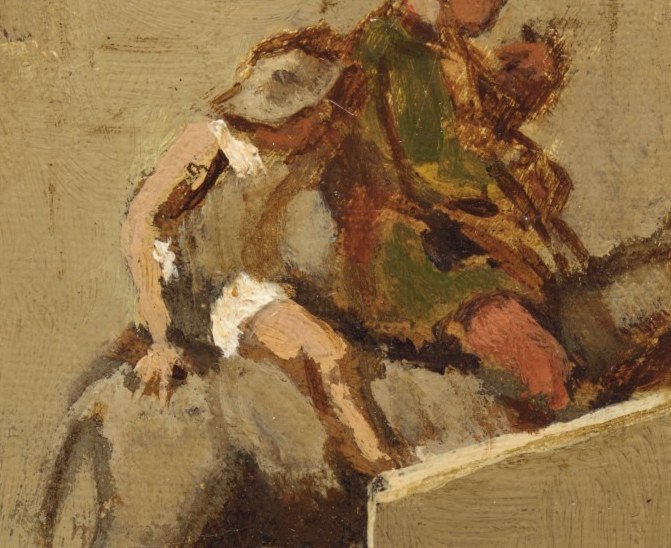
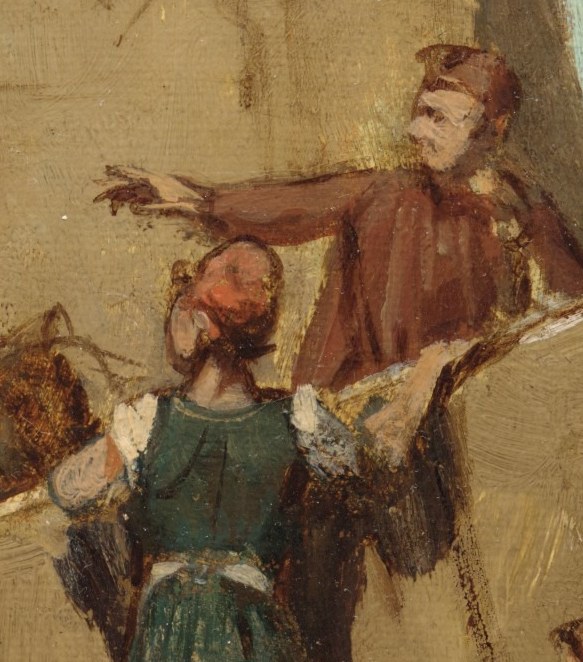
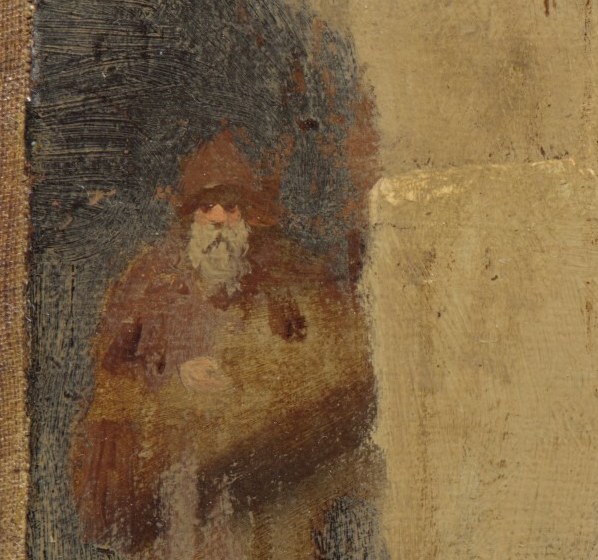
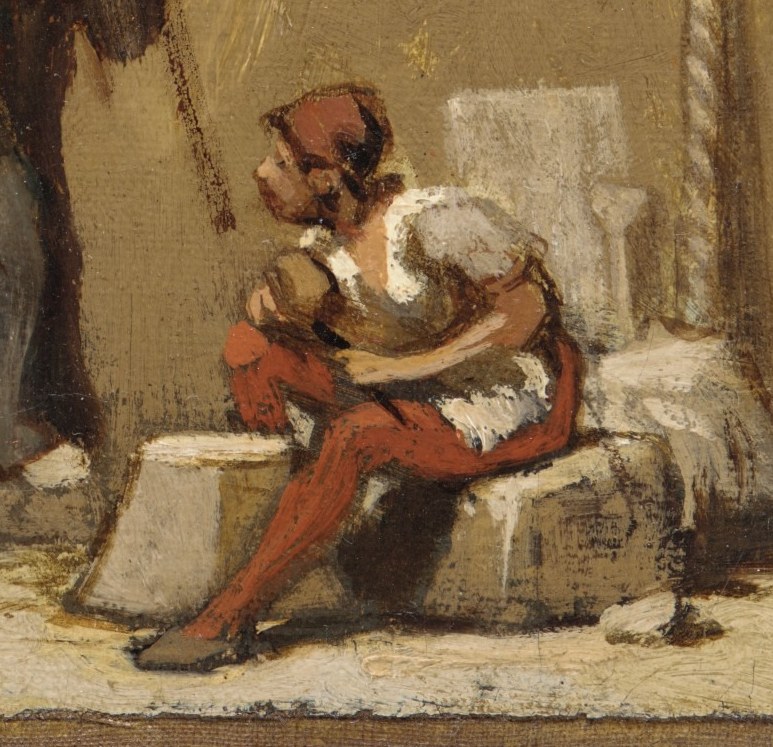
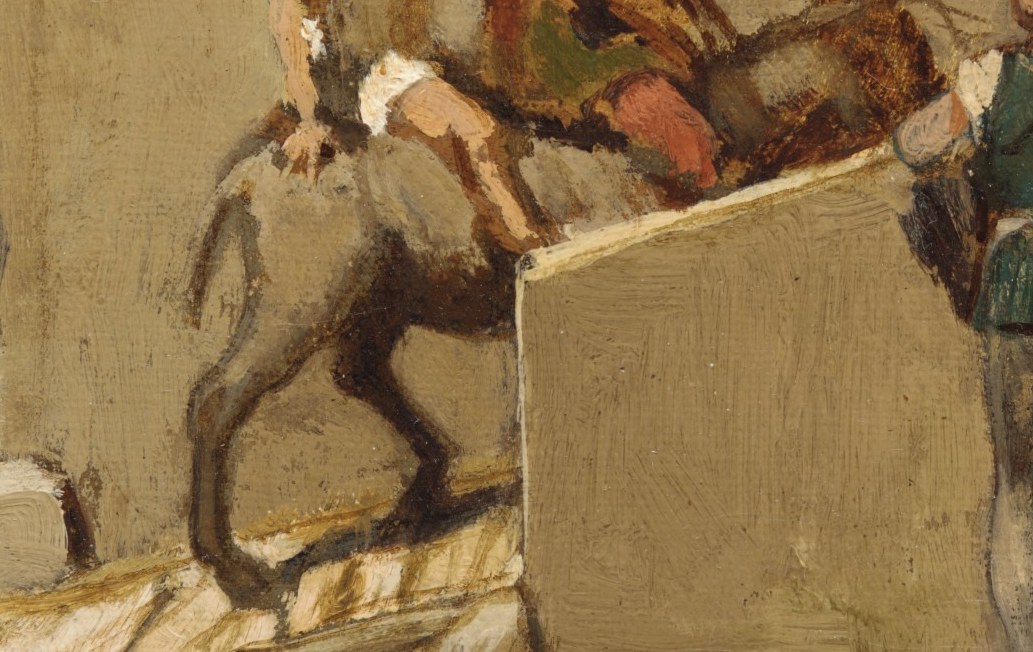
Elihu Vedder's "The Fable of the Miller, His Son, and the Donkey" (1867) from The Metropolitan Museum of Art tells a timeless story about pleasing others. It shows a miller, his son, and their donkey, illustrating the classic fable where any decision to ride or walk is met with criticism.
Look at the son struggling on the donkey, then the father walking beside him, and finally both riding the overloaded animal. The artist uses a muted palette and realistic style to ground this allegorical scene.
Vedder, known for his illustrations for "The Rubaiyat of Omar Khayyam," created this painting during a period of realism in American art. The scene reflects the challenges of navigating public opinion and compromise.
What does this fable still teach us about criticism and decision-making today?
Details
Transcript
A miller, his son, and one weary donkey. The son rides. His father walks. People tell the father he is cruel. He makes his son walk, and he rides. Now people say the son is lazy. So, they both ride the poor donkey. Everyone tries to please everyone else. This fable was painted in 1867.