Diego Pignatelli d'Aragona (1687–1750) by Francesco Solimena
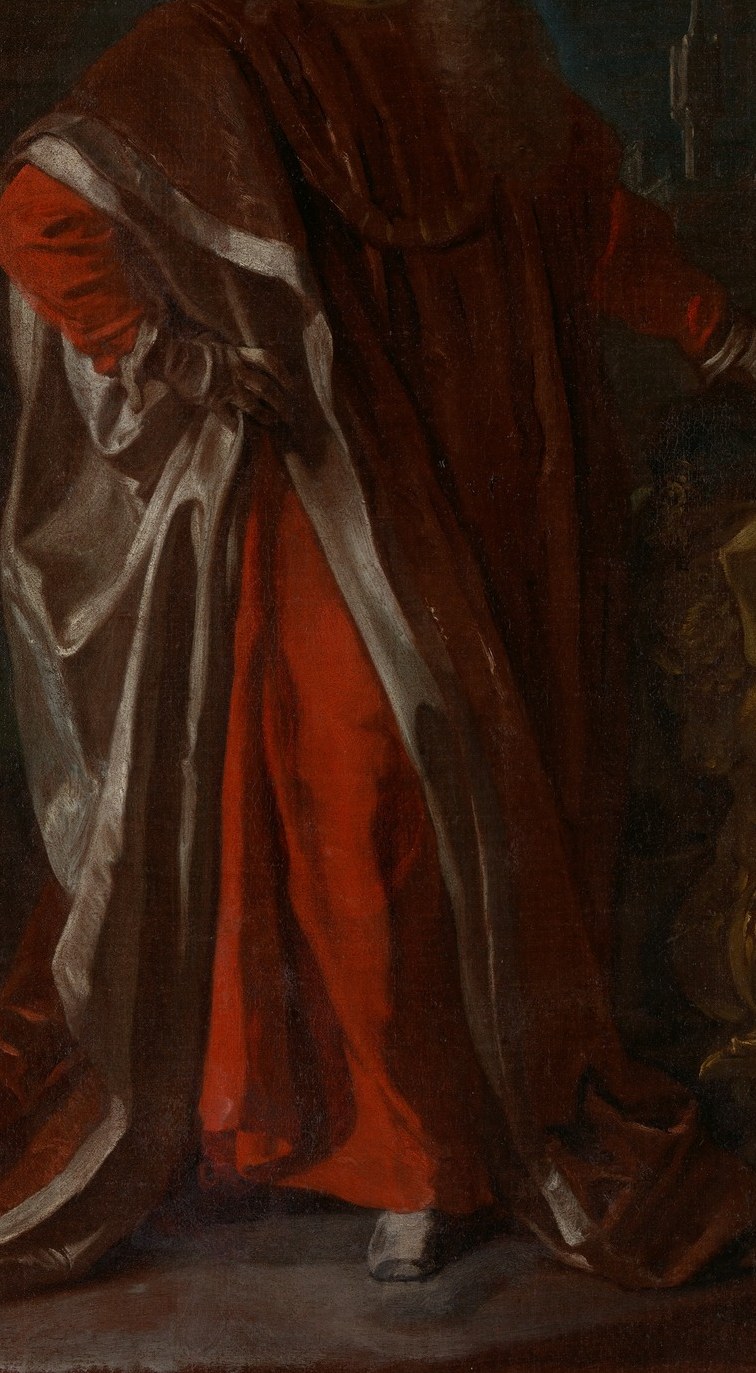
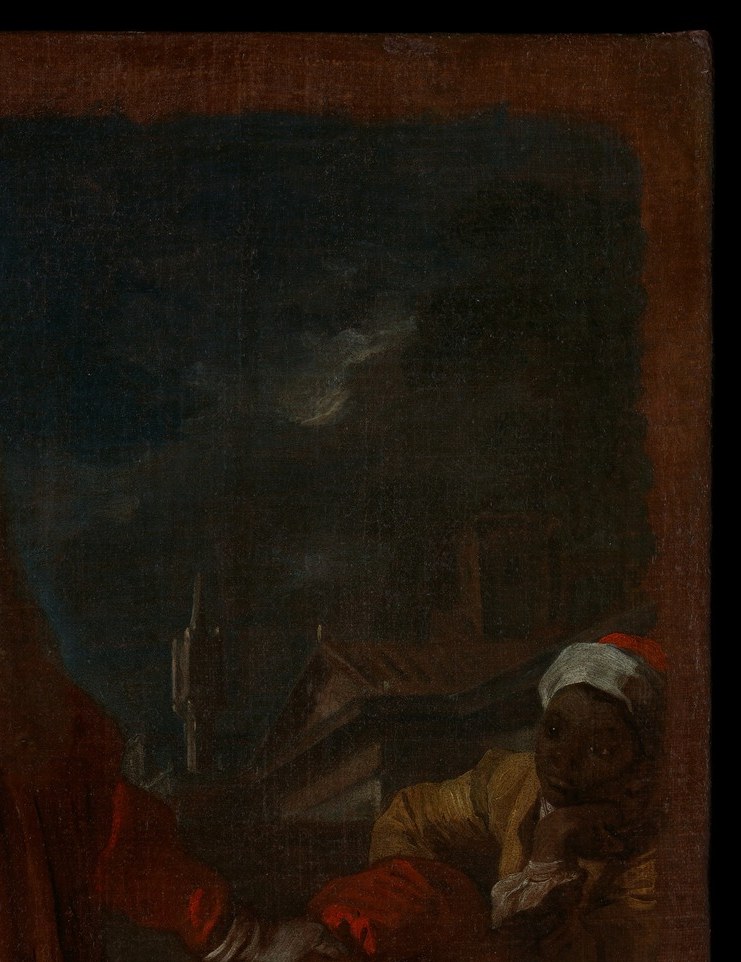
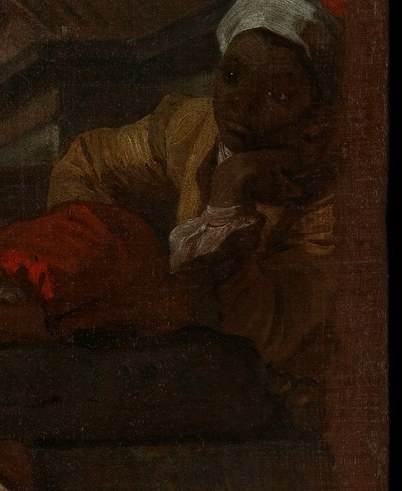
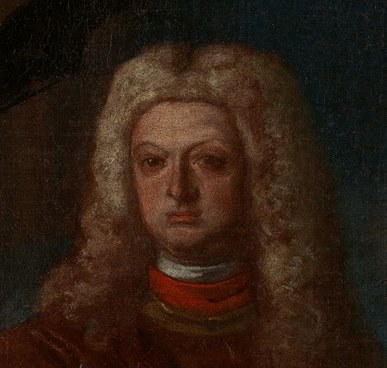
This striking 1731 portrait by Francesco Solimena, Diego Pignatelli d'Aragona (1687-1750), currently at The Metropolitan Museum of Art, caused significant controversy upon its debut. The painting depicts the nobleman in opulent attire, intended to convey his elevated status. Solimena, a master of Baroque drama, uses strong chiaroscuro to highlight the sitter and the rich textures of his clothing, like the deep red robe and the contrasting white sash. The background includes elements like yellow drapery and architectural hints, but most notably, a shadowy attendant. This background figure was interpreted by contemporary viewers not as a mere servant, but as a symbol of rivalry or threat, adding a layer of scandal and intrigue that led to the portrait's rejection from a prestigious salon. The sitter's intense, direct gaze further fueled the controversy, seen as arrogant or defiant by some. The painting showcases Solimena's transition towards a more restrained classicism, yet retains the dramatic flair that defined his career.
Details

Transcript
This portrait shows a nobleman in rich attire. His red robe and wig signal wealth and status. The painter was known for dramatic light and shadow. Look at the shadowy figure in the background. This figure was seen as a rival or a threat. The sitter's face stares directly ahead. His direct gaze and stern expression caused outrage. The 1731 portrait was rejected by the salon.