Country House in a Park by Ruisdael, Jacob van
View the artwork: Country House in a Park →
Jacob van Ruisdael's "Country House in a Park" is not a record of a real place, but an imagined estate designed to encode a merchant's social ambition. Painted around 1675, it hangs in the National Gallery of Art in Washington, D.C.
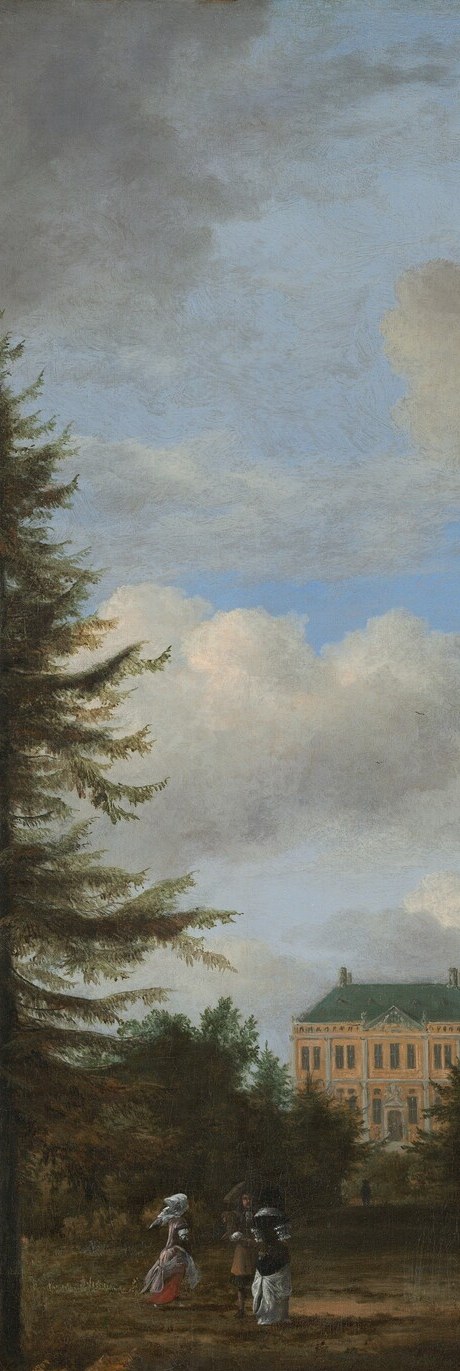
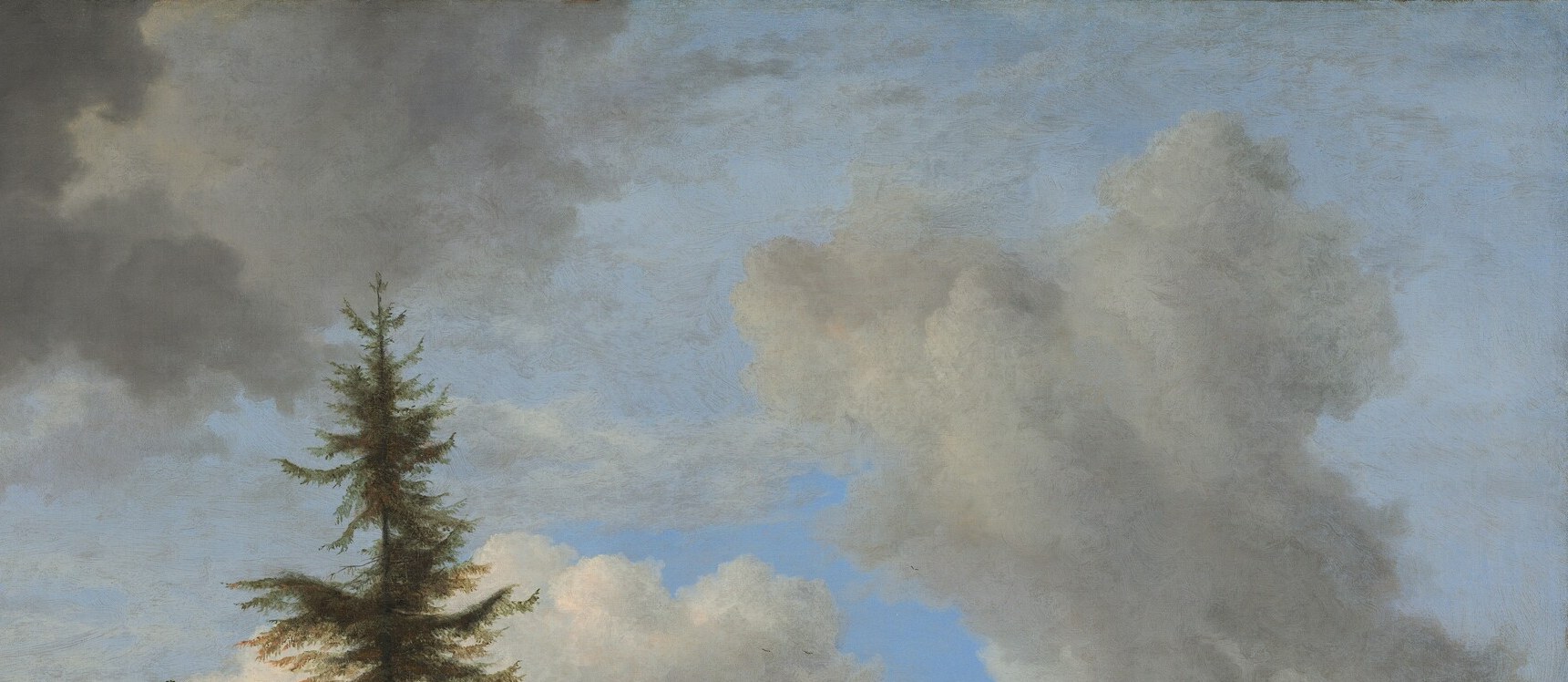
The first thing to decode is the towering Norway spruce dominating the left side. For a 17th-century Dutch viewer, this was not just a tree; it was an exotic Scandinavian specimen, a living status symbol that announced the owner's wealth and global connections. Your eye is then led to the distant villa, a classical fantasy with a pediment and pilasters, an architectural style adopted by wealthy merchants aspiring to an aristocratic life.
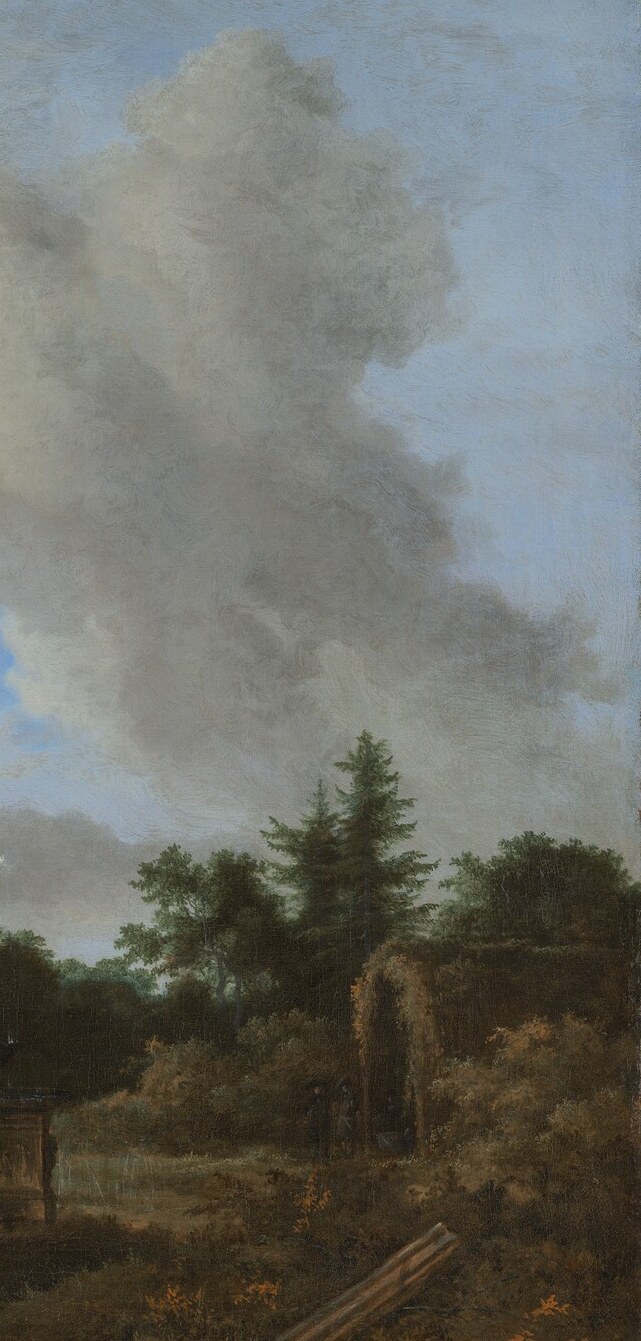
Ruisdael, who rarely painted such subjects, also encoded a moral counterpoint. Look closely at the weedy, rough foreground. There, among the scrub, lies a broken pine and a fragment of fallen architecture. These are vanitas symbols, a quiet reminder that earthly pleasures, gardens, and grand houses are all subject to time's decay, a message tucked discreetly within the landscape's beauty.
What detail first signaled the difference between a simple landscape and a coded message to you?
#arthistory #dutchgoldenage #ruisdael
Details

Transcript
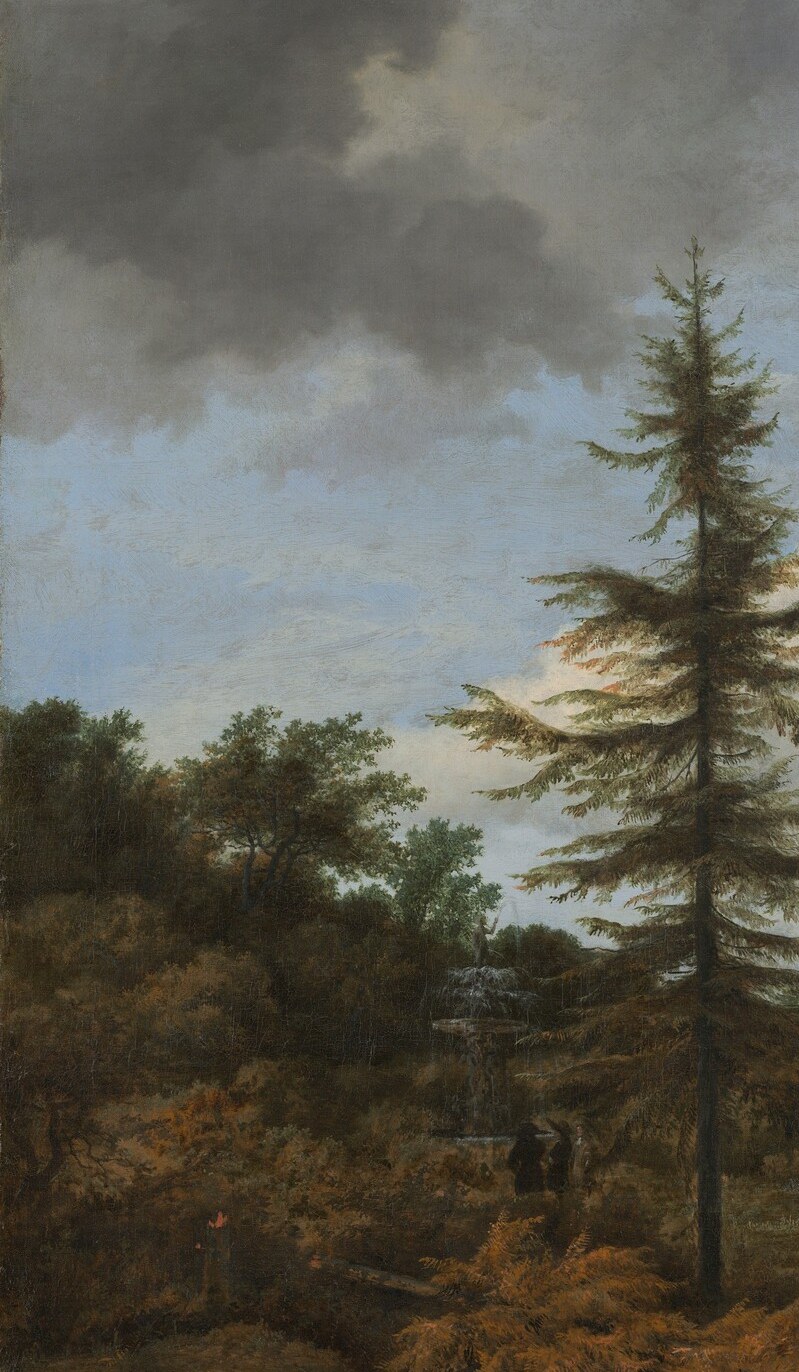
A grand house is not the only way to claim status. This towering Norway spruce is an exotic Scandinavian import. Owning a foreign tree signaled cosmopolitan, global wealth. The villa is pure classicist ambition. A merchant's dream of nobility. Benevolence is on display too. A trick fountain entertains guests. In the shadow, a broken tree and fallen cornice lie in the weeds. A vanitas reminder: all this cultivated glory will pass.