Landscape with Charon Crossing the Styx by Joachim Patinir
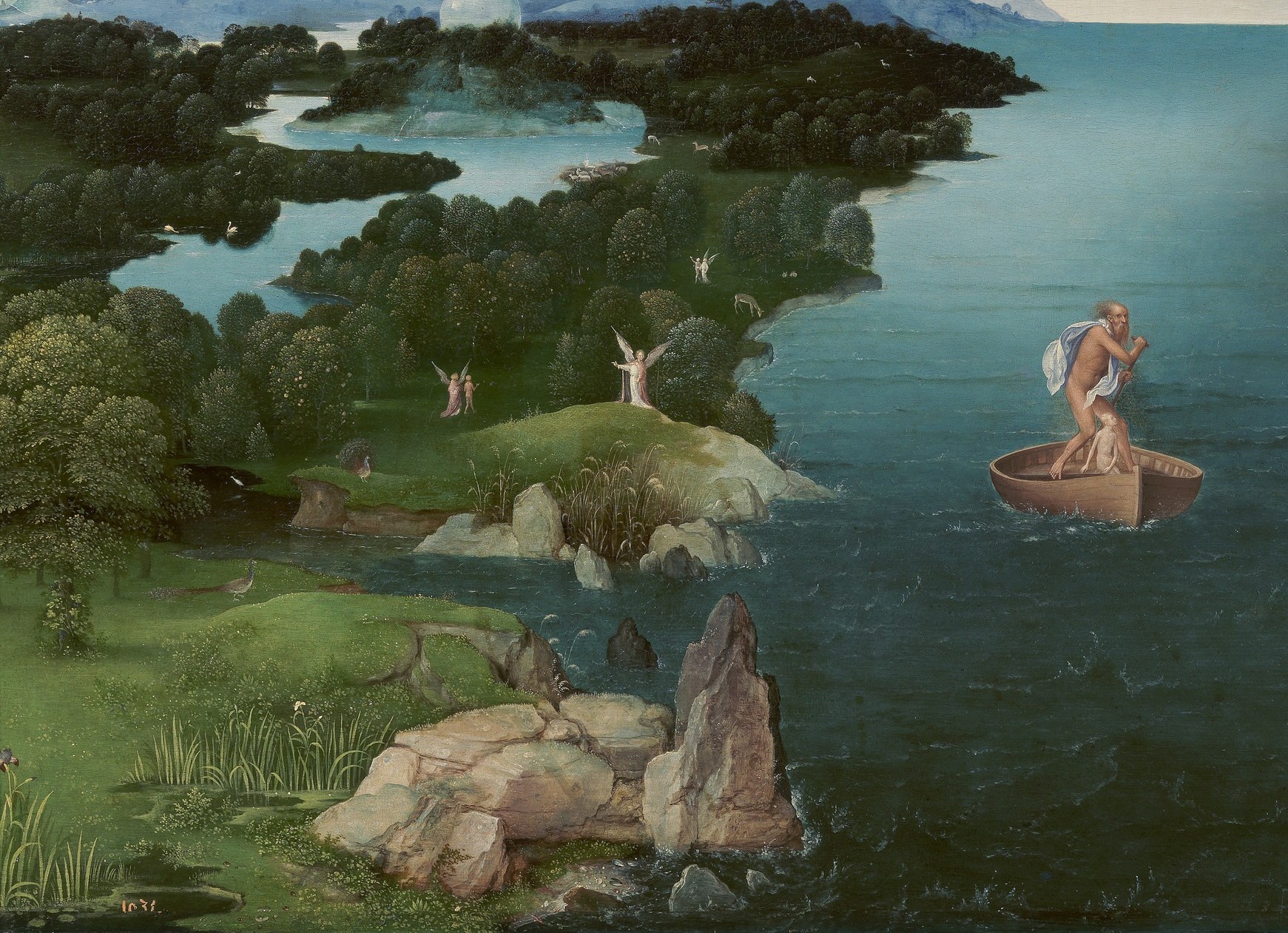
Joachim Patinir's "Landscape with Charon Crossing the Styx" (c. 1515-1524) at the Museo del Prado, Madrid, is a breathtaking early example of landscape painting that uses clever visual tricks to create depth and drama.
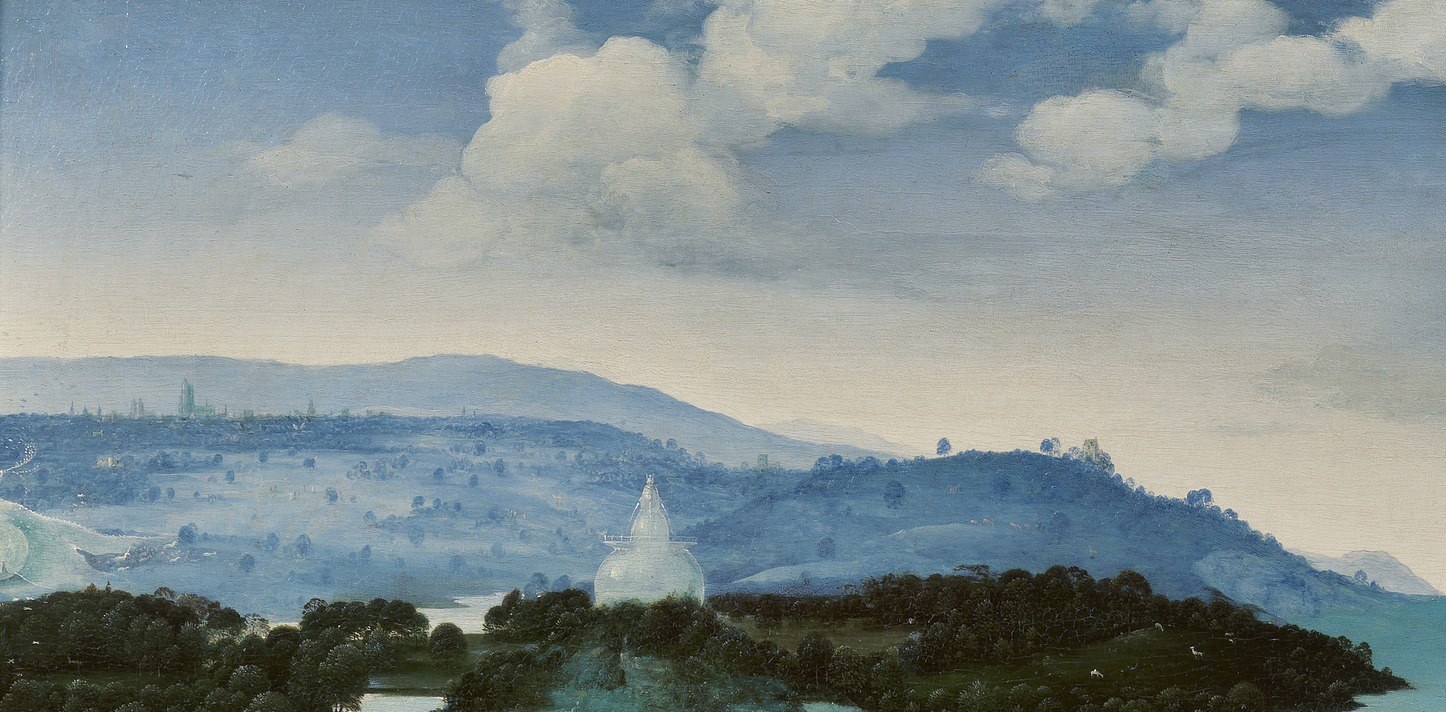
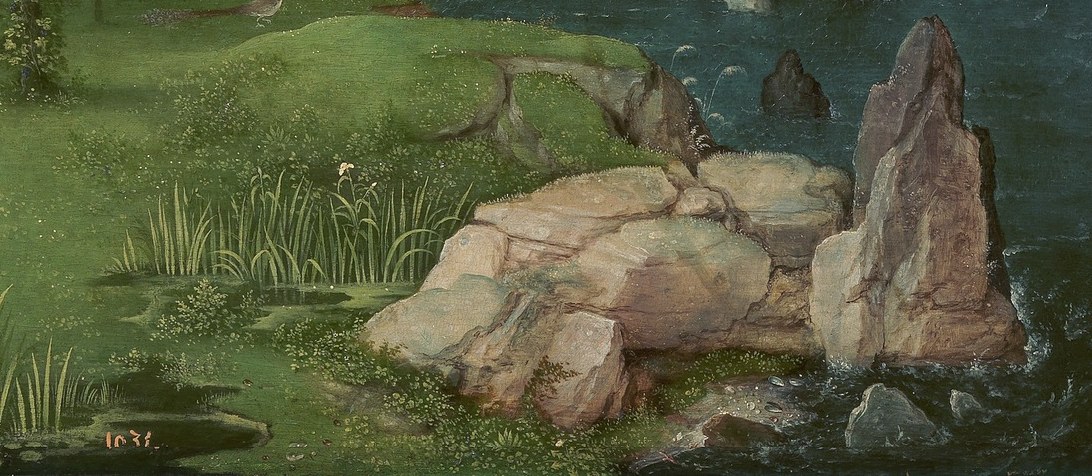
Observe how Patinir masterfully shifts from the crisp details of the rocky foreground to the hazy, distant mountains. This isn't just a stylistic choice, but a technique called aerial perspective, making the background feel vast and impossibly far away.
Patinir, a Flemish Renaissance painter, was a true pioneer, effectively inventing the 'world landscape' genre. He blended precise observation of nature with fantastical elements, a synthesis that influenced many contemporaries after his travels to Italy. His work marks a significant step in how artists represented perspective in landscape, elevating it to an independent genre.
What other subtle details do you notice that add to this painting's immense sense of scale?
Details
Transcript
This painter was a pioneer of landscape art. He created vast, imagined worlds in oil paint. Notice how the landscape fades into the distance. This atmospheric effect is called aerial perspective. It makes the background feel impossibly far away. And yet, the foreground details are razor-sharp. It's a trick of paint that pulls your eye in.