Beach in Normandy by Courbet, Gustave
View the artwork: Beach in Normandy →
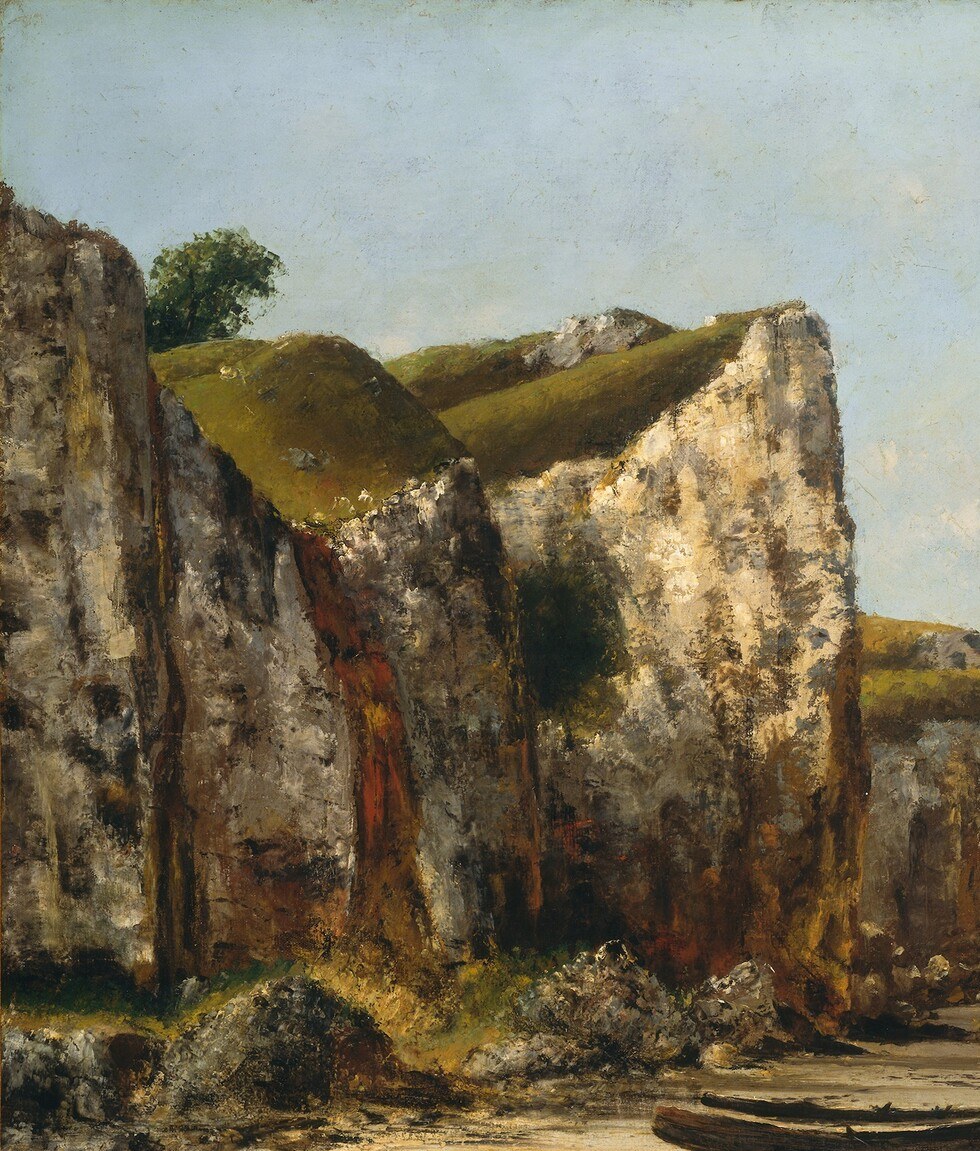
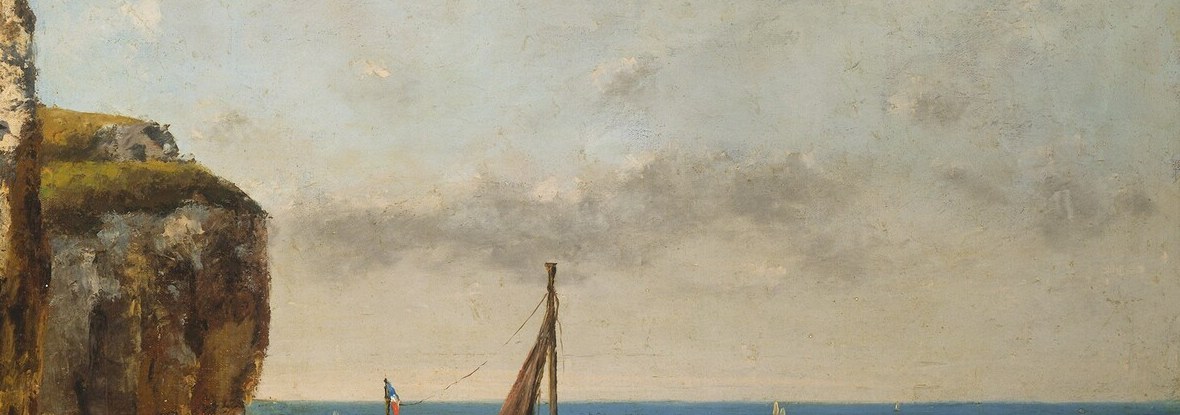
A cliff built from paint. Gustave Courbet's Beach in Normandy, loosely based on the chalk cliffs of Étretat, hangs in the National Gallery of Art in Washington. Finished in his studio around 1872 to 1875, it is less a window onto the coast than a physical object on the wall.
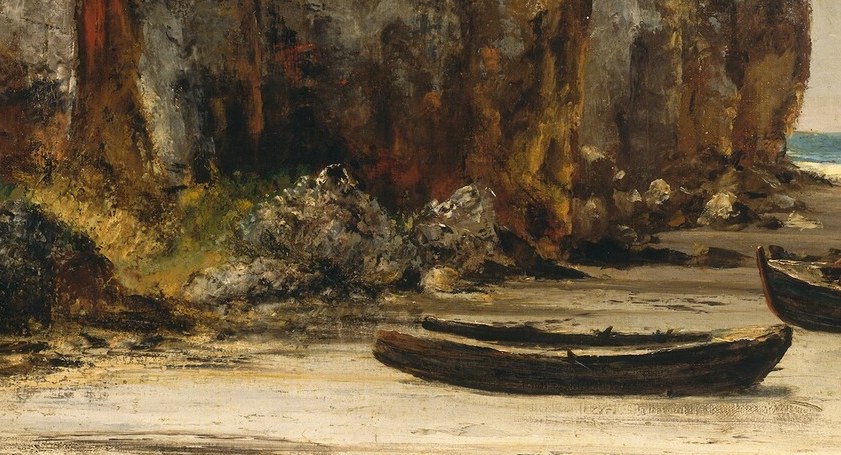
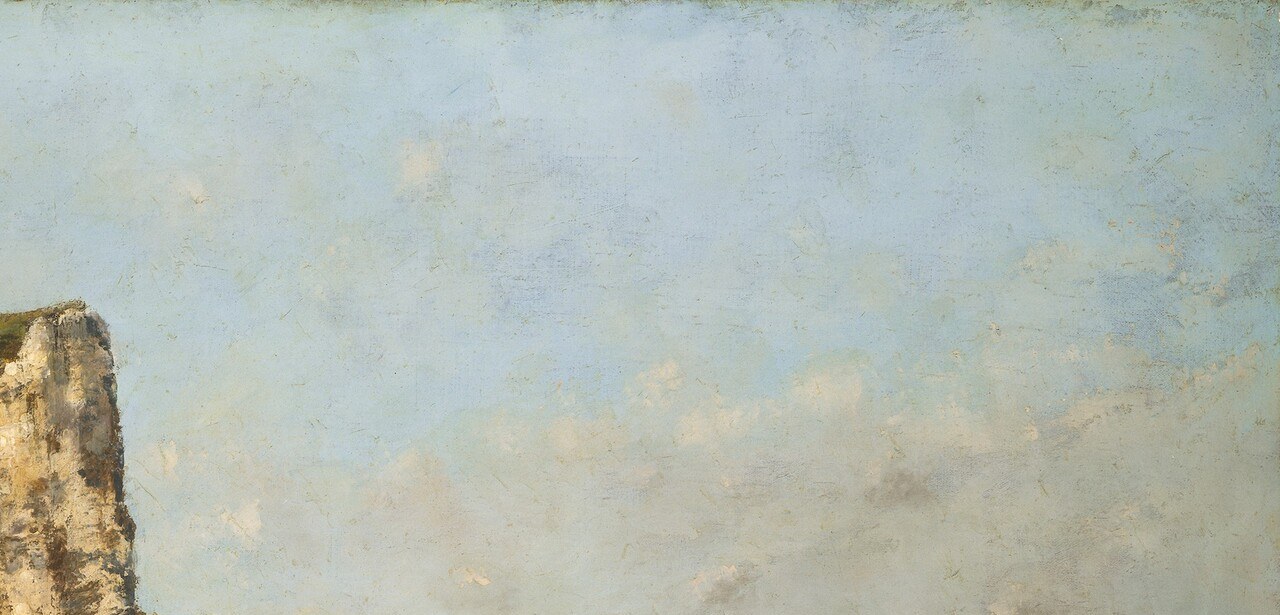
Run your eye over the left side. Courbet laid the cliff face down with a palette knife, leaving thick ridges of impasto that catch the light and cast tiny shadows. The paint itself becomes geology. Beneath it, a dark boat anchors the beach, and the flat overcast sky refuses any drama. Everything is heavy, present, unembellished.
It was this very roughness that outraged the French academic establishment. Critics wanted a polished, idealized nature. Courbet gave them physical fact. In doing so, he changed the rules. Younger painters, Édouard Manet among them, saw his courage and took it further. The work’s history traces from an 1891 Paris auction, where it was listed simply as Marine, through the collection of Chester Dale, who bequeathed it to the nation in 1963.
Look at the cliff. Then imagine the room in 1875, a Salon visitor recoiling from what she felt as raw cement on canvas. She was right about the cement. She was wrong about what art could be.
#arthistory #gustavecourbet #realism
Details
Transcript
This cliff is not just painted. It was built, with a palette knife. Thick ridges of pigment that stand off the canvas. Academic critics called it crude, even violent. But this rough, sculptural paint gave Manet permission. Courbet refused to smooth over the truth.