The Lackawanna Valley by Inness, George
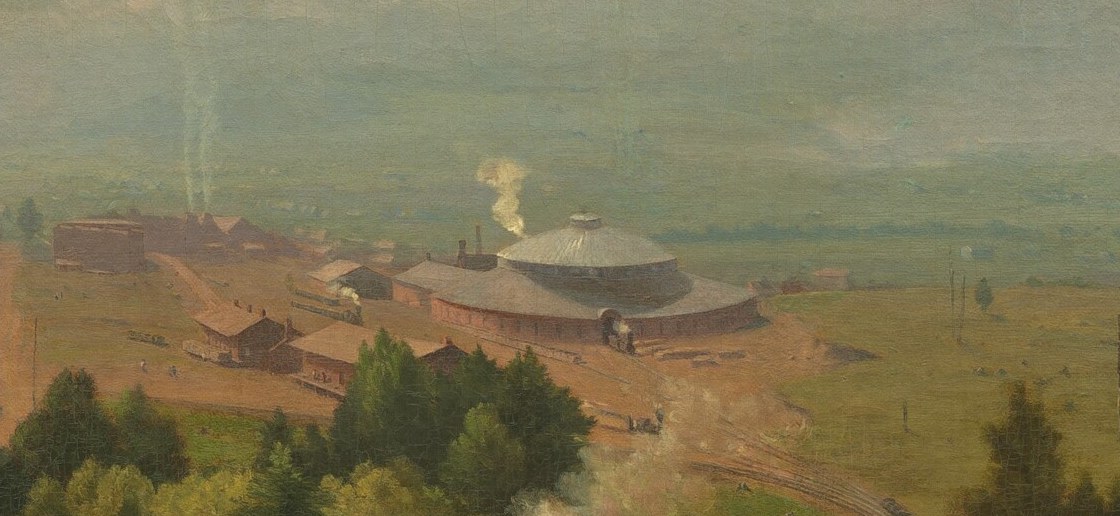
George Inness's "The Lackawanna Valley," painted around 1856, is more than just a landscape; it's a quiet meditation on change. Housed at the National Gallery of Art, Washington, D.C., the painting was commissioned by the Delaware, Lackawanna and Western Railroad to celebrate their new roundhouse in Scranton, Pennsylvania.
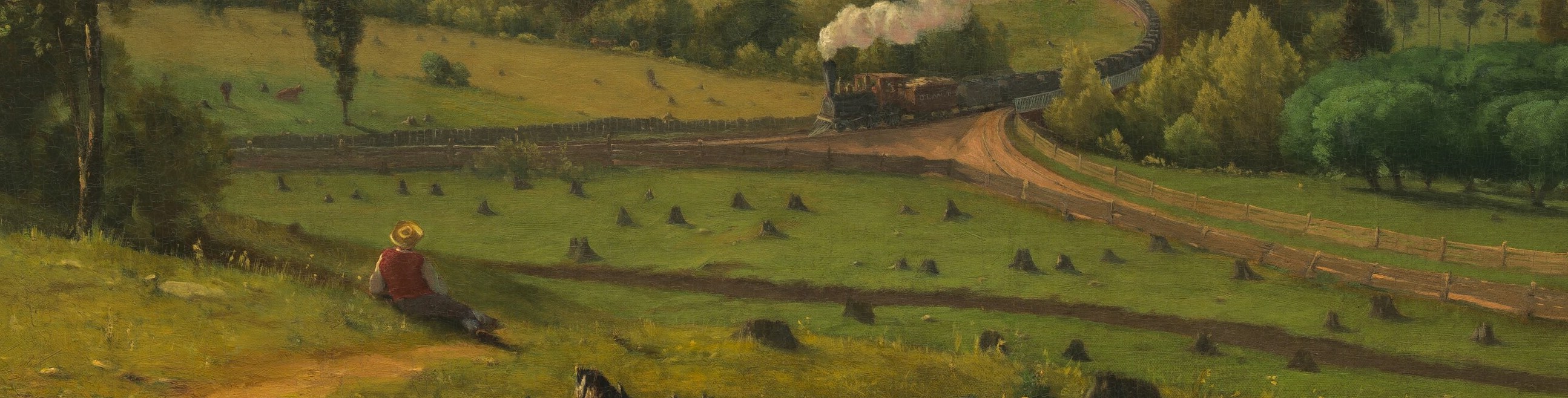
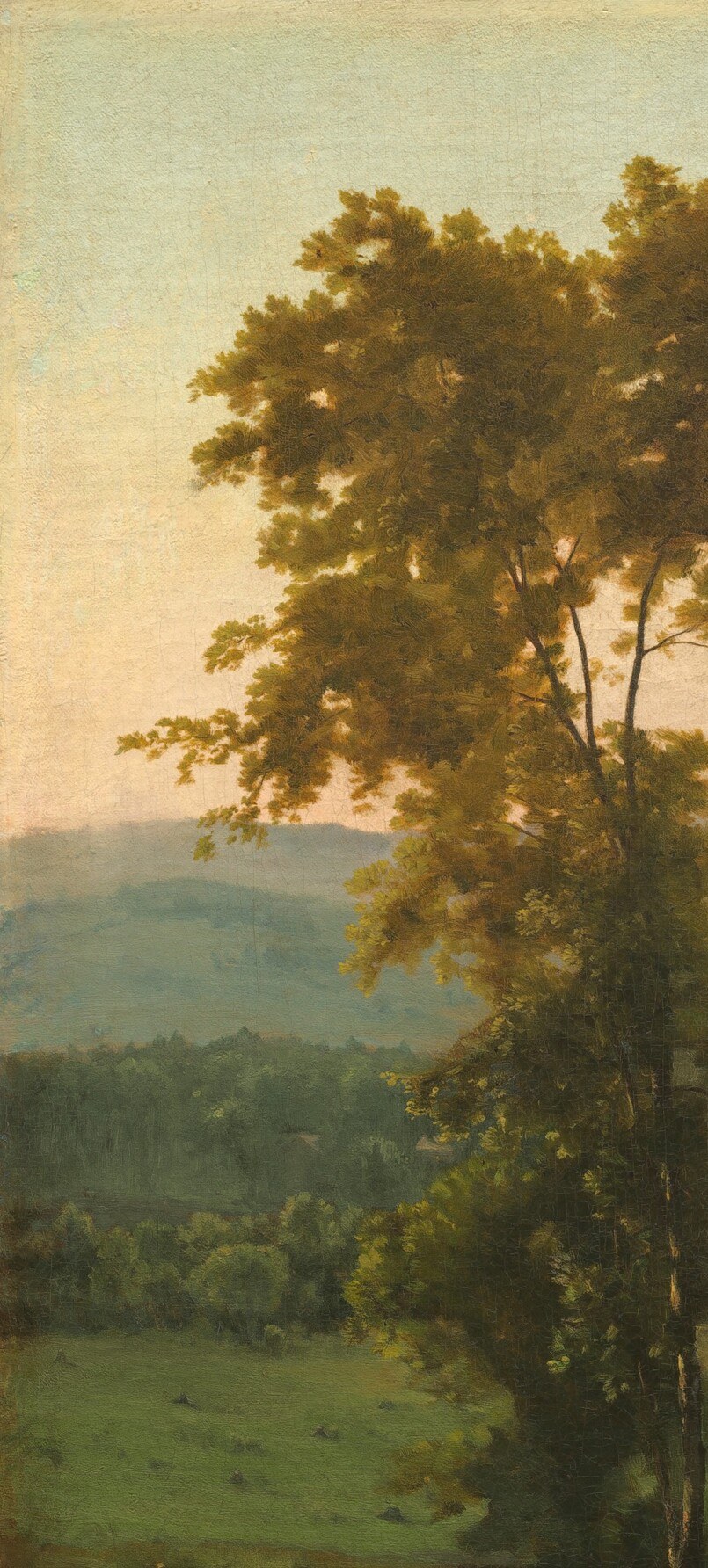
While the painting highlights the burgeoning industry with its railroad and rising smoke, your eye is drawn to the lone, reclining figure in the foreground. He is the only human presence, a subtle counterpoint to the industrial development, perhaps representing a world on the cusp of transformation.
Inness, known for capturing quiet moods and soft light, was commissioned by the railroad's president, John Jay Phelps. The painting serves as a fascinating historical document, showcasing how art was used to promote commerce during the mid-19th century. Yet, Inness's nuanced approach allows for a deeper reading beyond mere advertisement.
What do you think the figure is contemplating as his pastoral world gives way to the industrial age?
Details
Transcript
This valley was being transformed. The railroad commissioned this painting in 1855. It shows their first roundhouse, a monument to progress. But look closely at this tiny figure in the grass. He is the only person here, watching the world change. He represents a quieter way of life, about to disappear.