Midnight by Alexander Shilling
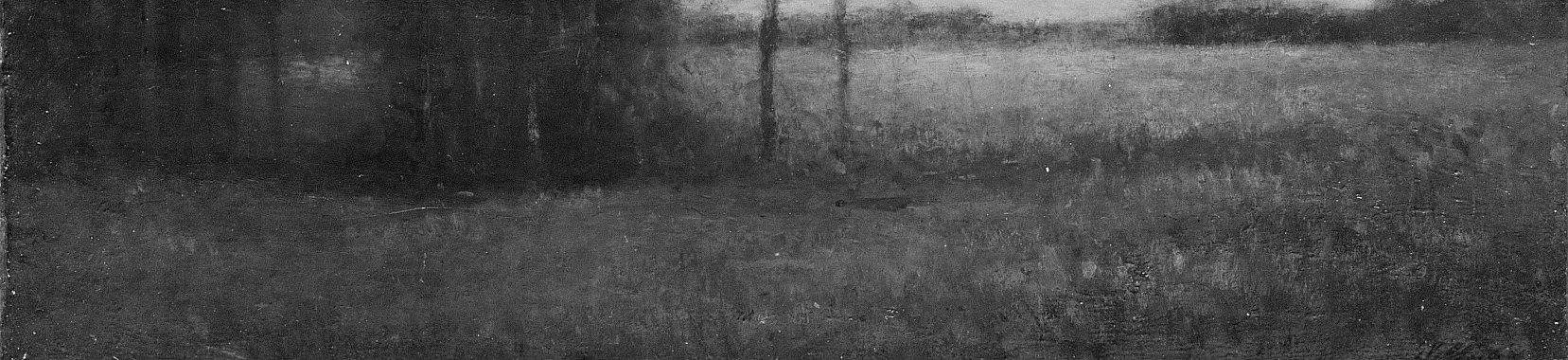
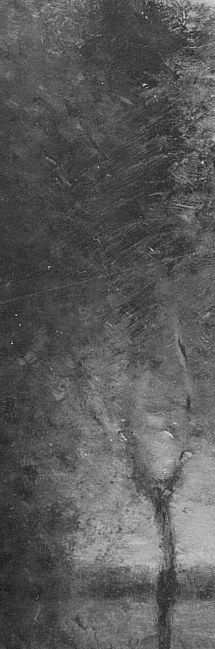
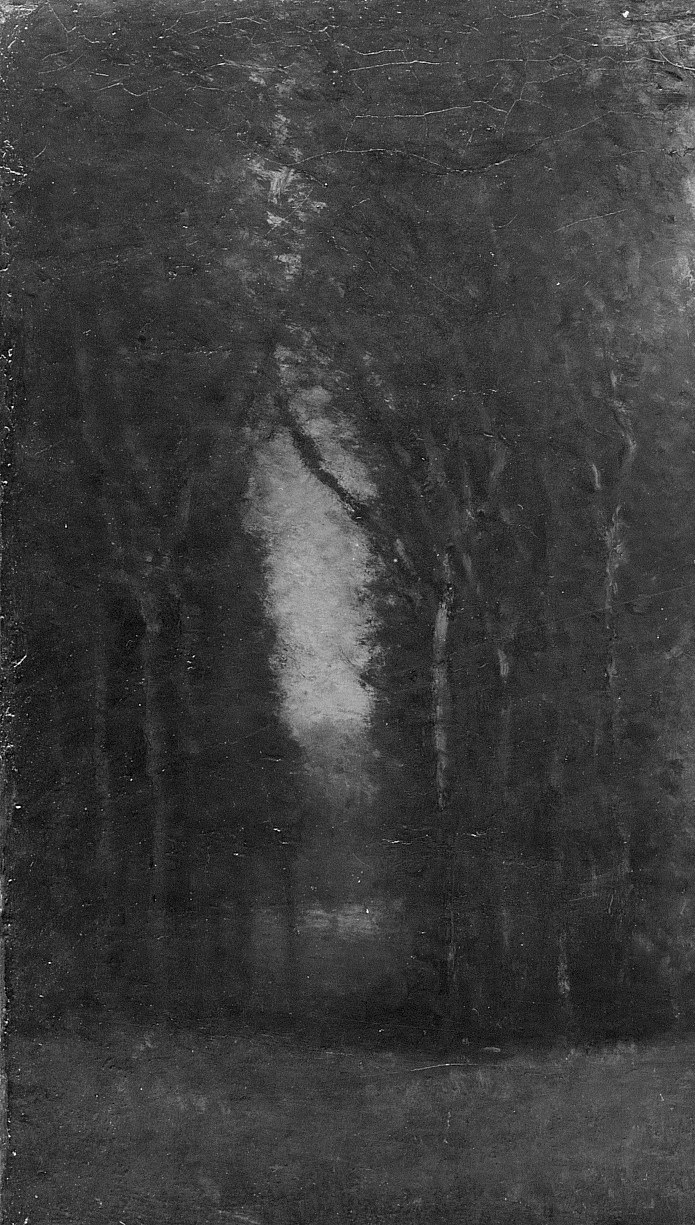
Alexander Shilling's "Midnight," painted in 1930, is a study in nocturnal atmosphere, held at The Metropolitan Museum of Art. What first appears as a moonlit landscape holds a subtle, human detail upon closer inspection.
The painting's primary light source is the faint glow of the moon, highlighting the serene and somber sky. However, if you look closely at the distant horizon line, a tiny, almost imperceptible red點 reveals another light source.
This small detail, a distant fire, introduces a quiet narrative into the vast, dark landscape, hinting at human presence or activity within the stillness of the night. Shilling, born in Chicago, often explored nocturnal themes, using thick brushstrokes and dark tonal values to create moody and tactile surfaces.
"Midnight" invites viewers to slow down and discover the hidden elements that transform a simple landscape into a scene rich with quiet suggestion. What else do you notice in the shadows?
Details

Transcript
This painting is called "Midnight." It was made by Alexander Shilling in 1930. Most of the light comes from a faint moon. But look closely, there is another light source. A barely visible fire burns in the distance.