The Banks of the Oise by Sisley, Alfred
Alfred Sisley's "The Banks of the Oise," painted between 1877 and 1878, at the National Gallery of Art, Washington, D.C., is a serene landscape that at first glance appears almost devoid of human activity. Sisley, a British Impressionist who spent most of his life in France, was known for his dedication to painting landscapes outdoors and his keen observation of light and atmospheric conditions.
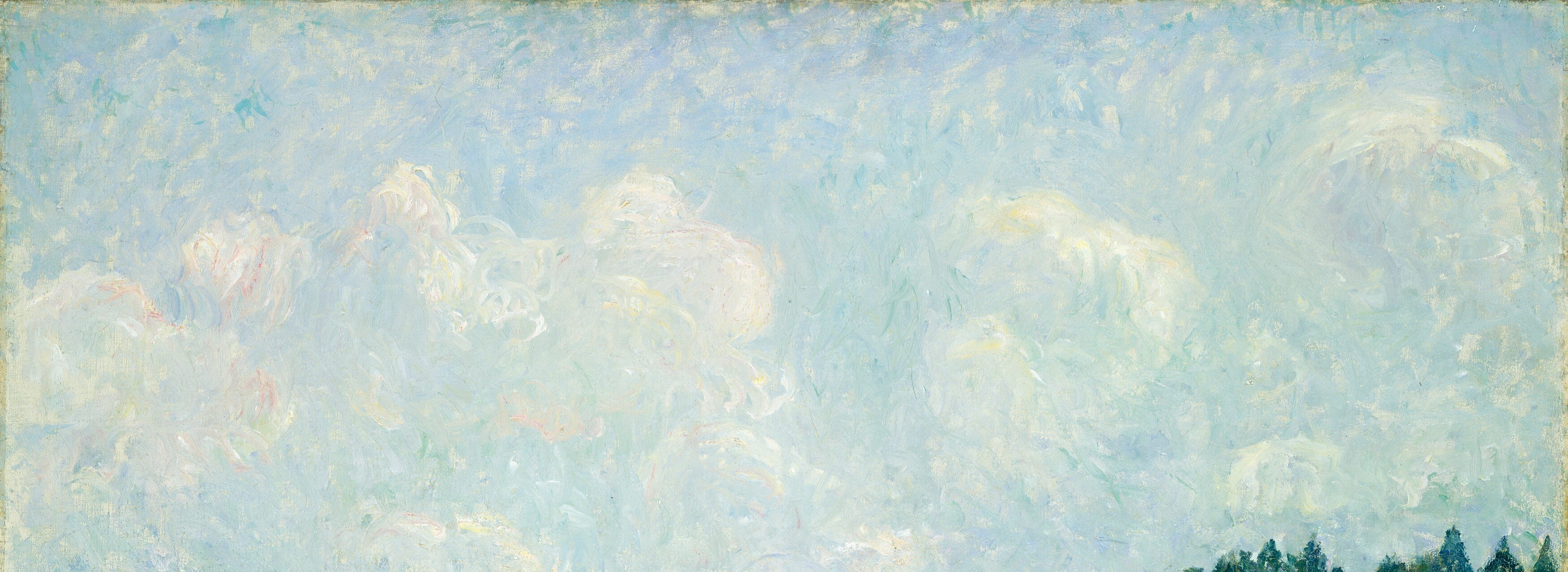
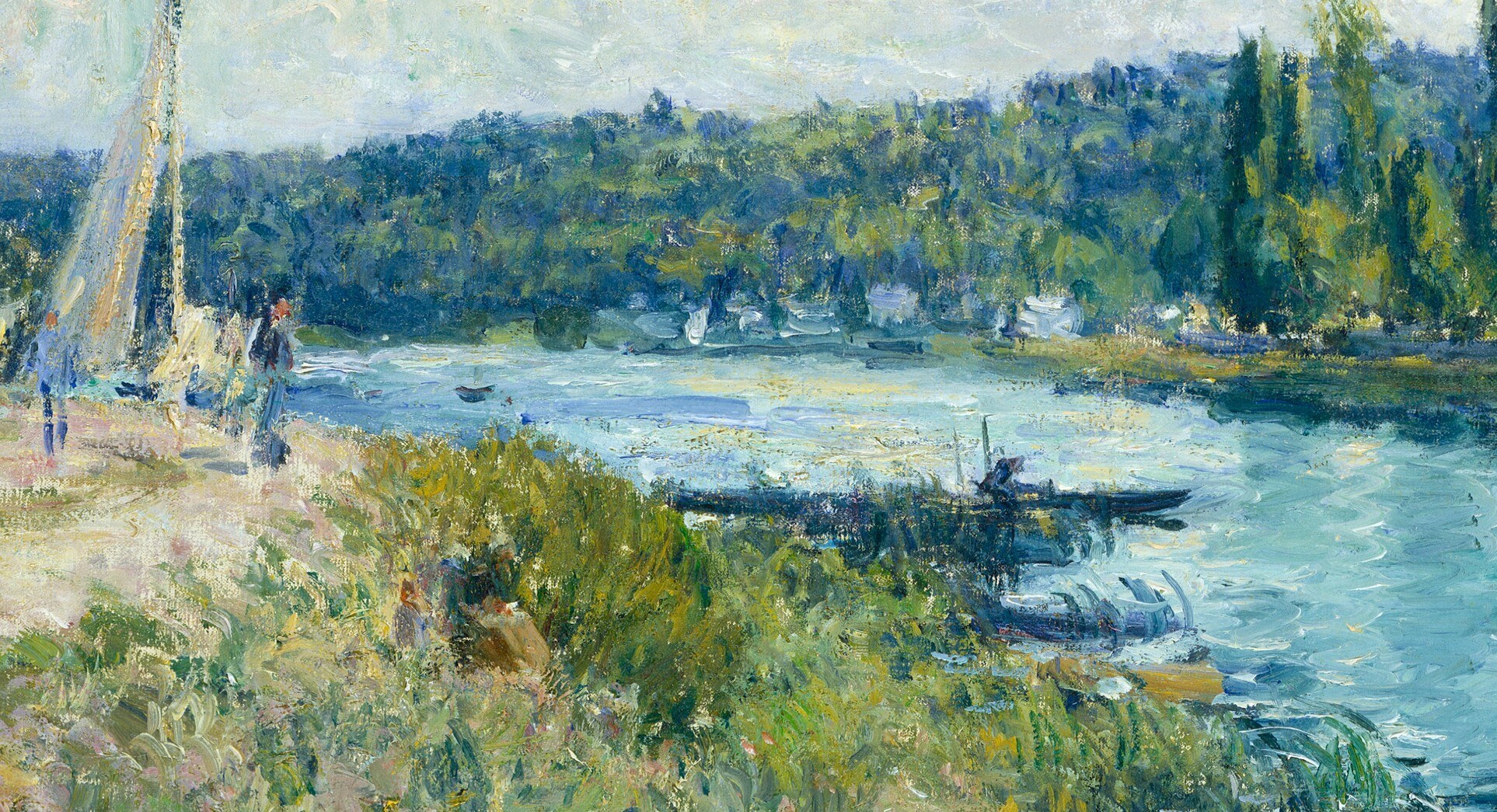
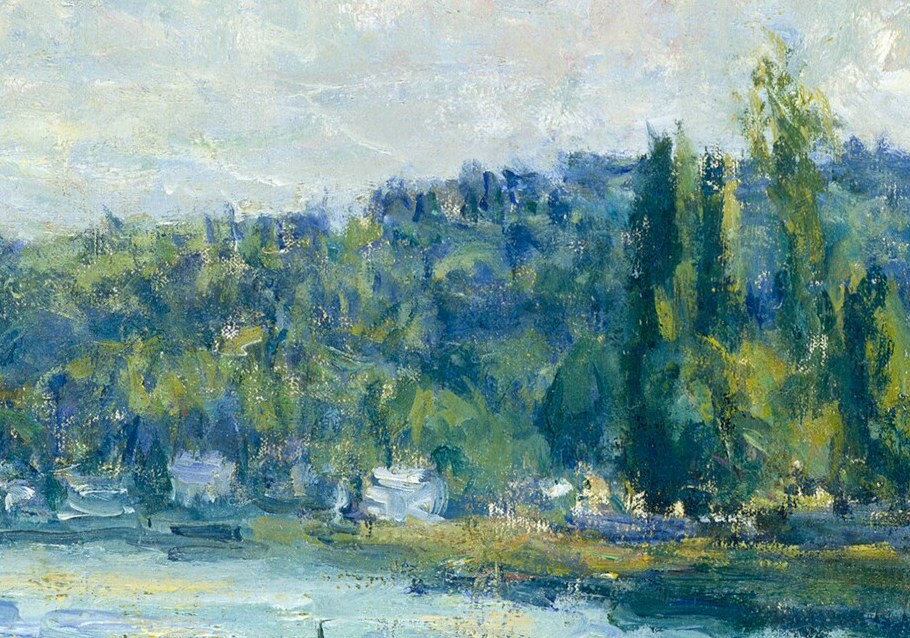
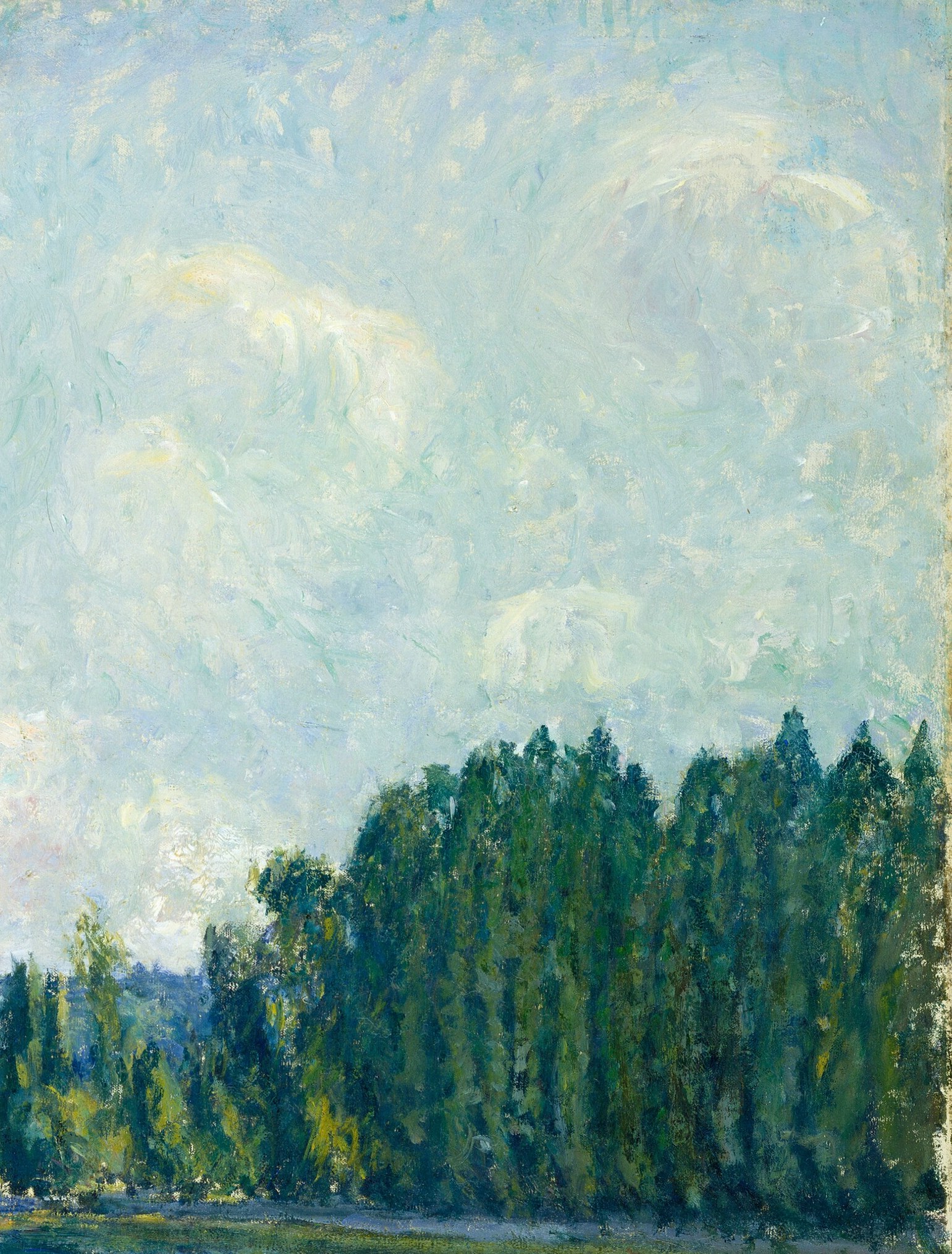
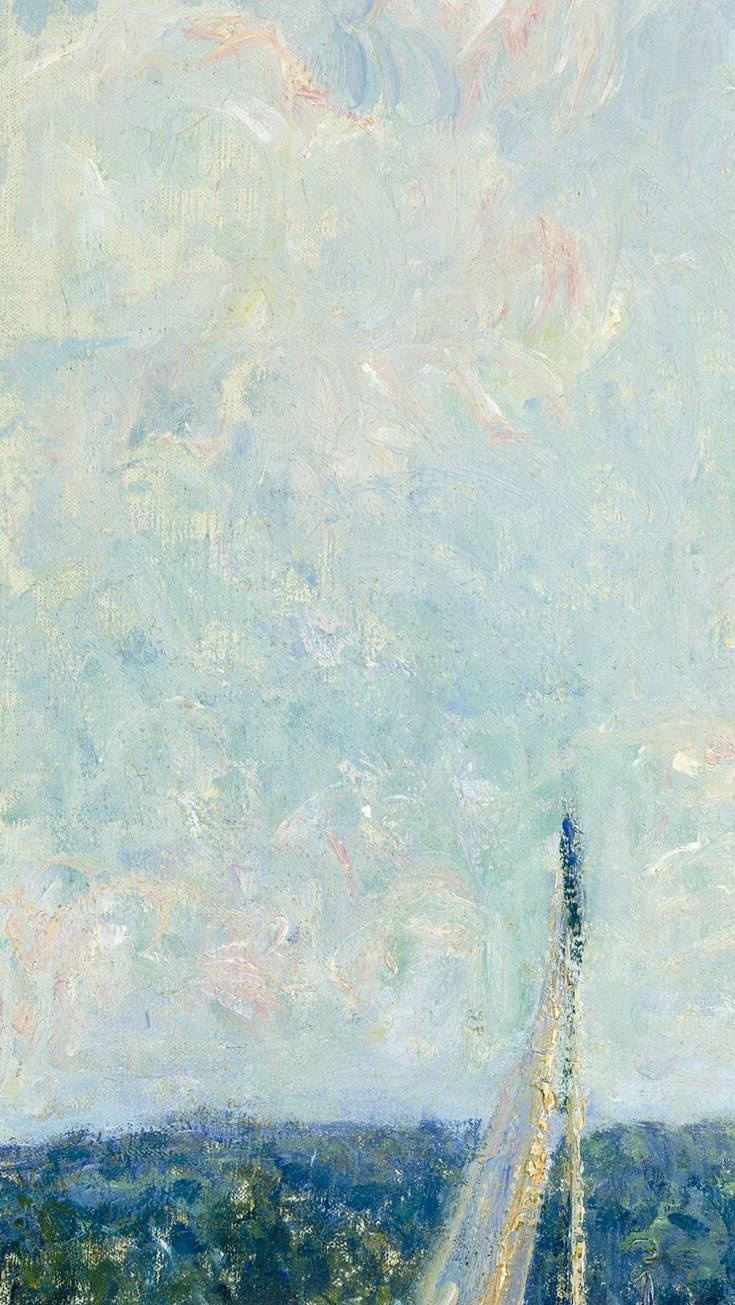
The painting invites a slow, contemplative look. Notice how the sky's soft hues are reflected in the river's surface, a hallmark of Sisley's technique. The towering poplar trees on the right bank create a rhythmic verticality, echoing the elegant mast of the sailboat on the left. But the real reward comes from spotting the tiny, solitary figure in a small boat mid-river, a subtle detail that transforms the perceived emptiness into a moment of quiet human presence.
This work was created around the time of Sisley's first solo exhibition in 1878. He frequently returned to riverine subjects, exploring the nuances of light and weather within familiar settings. After passing through several private galleries, the painting was acquired by Chester Dale and later bequeathed to the National Gallery of Art.
The hidden figure adds a layer of introspection to this otherwise expansive view. What does this solitary boatman suggest about the relationship between humanity and nature?
Details
Transcript
This river scene looks peaceful, almost deserted. The painter focused on landscapes and changing light. He used broken brushstrokes to capture the water's shimmer. But look closer, there is a tiny detail. A solitary figure in a small, dark boat. An almost hidden human presence in this tranquil scene.