Self portrait by Rembrandt
In 1660, Rembrandt painted this self-portrait at the age of 54. He had been bankrupt for four years. His house on the Jodenbreestraat was gone, his collection of Italian Old Masters and Roman antiquities sold at auction for a fraction of what he had paid, and the woman he loved, Hendrickje Stoffels, had only three more years to live.
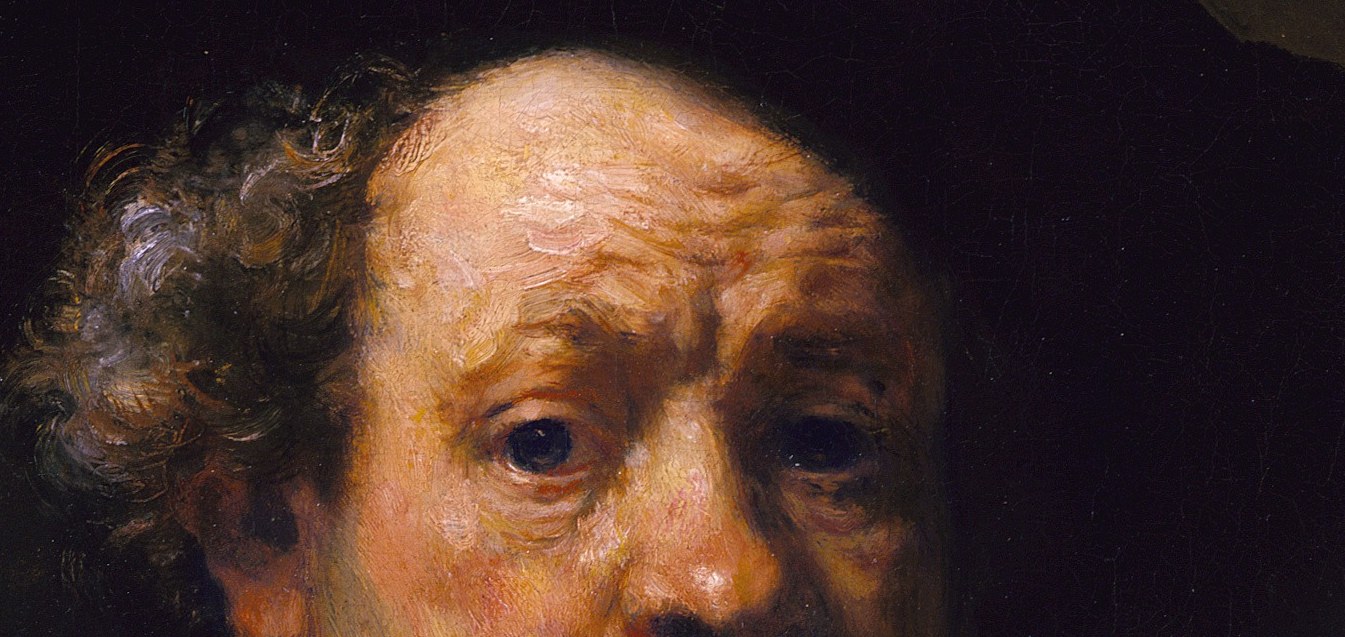
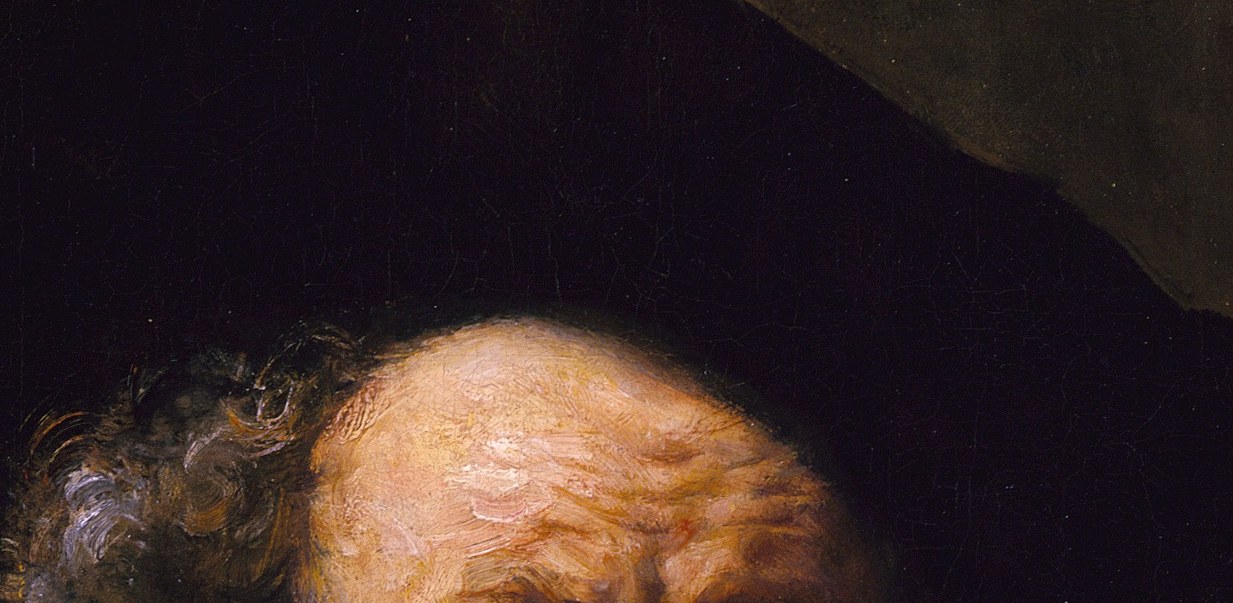
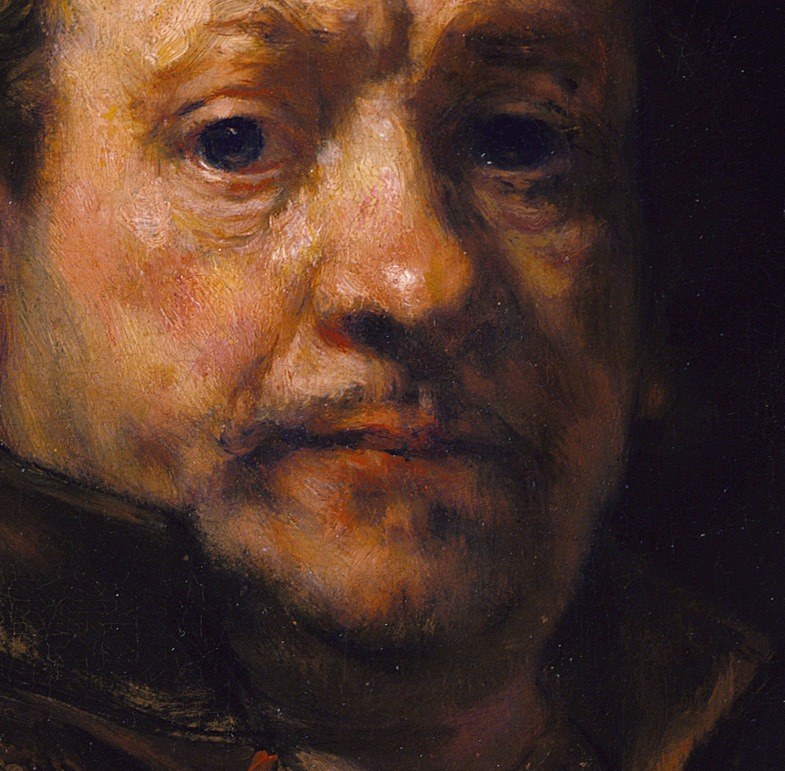
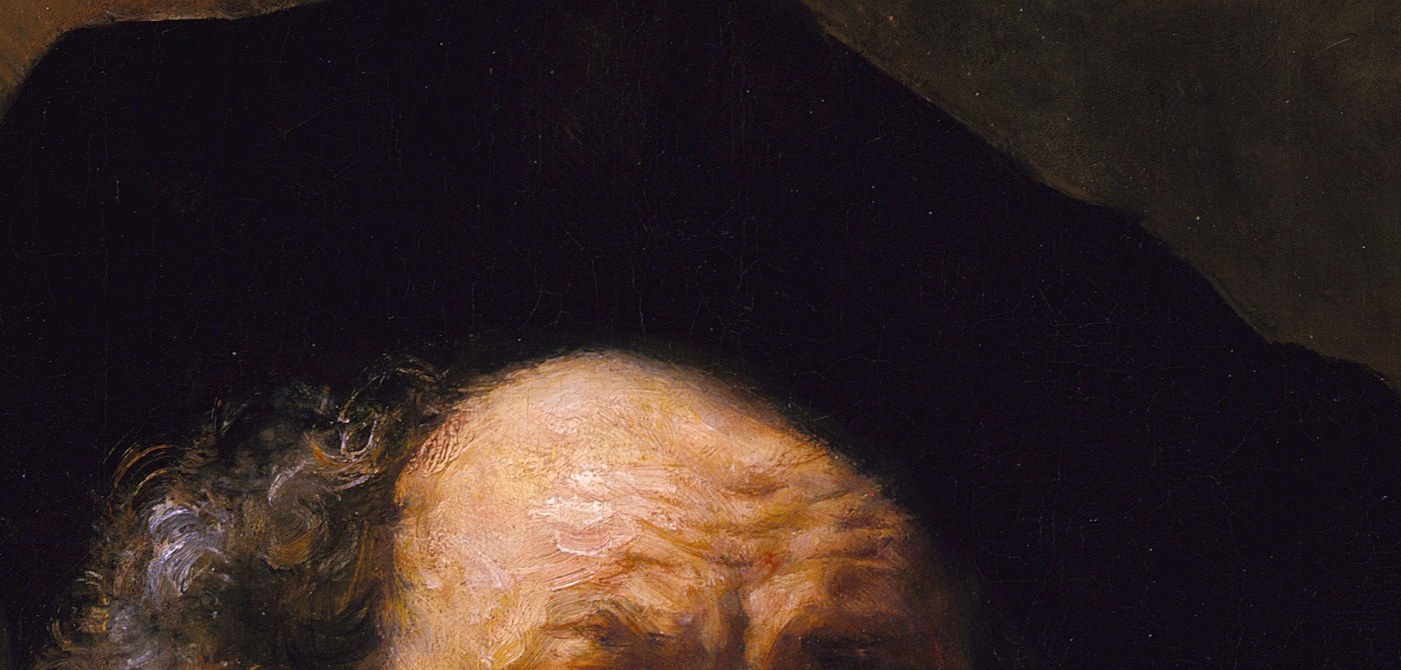
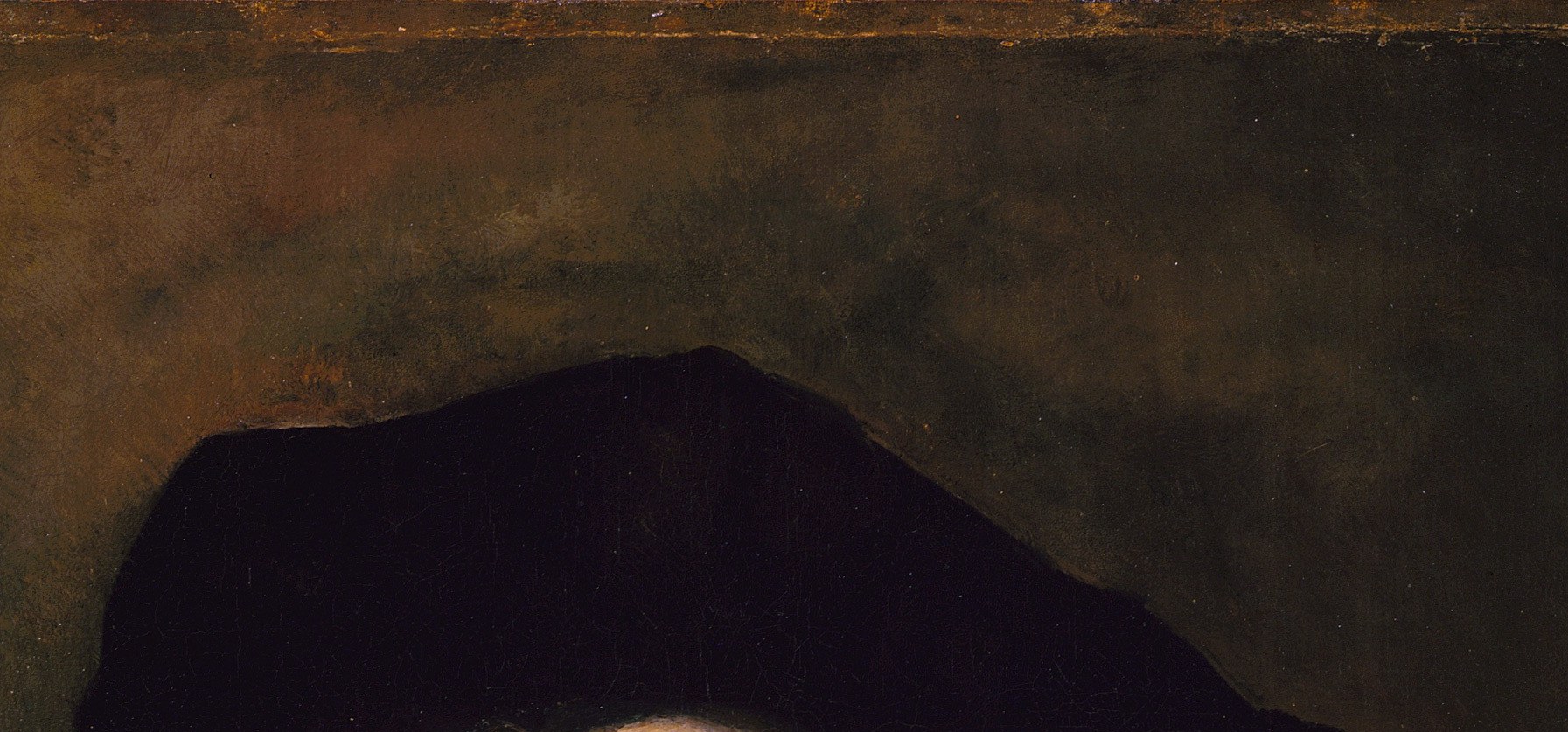
Look at the forehead. Rembrandt built the wrinkles with impasto so thick the paint is physically raised, the material mirroring the aging skin it describes. The right side of his face dissolves almost entirely into warm brown shadow, merging figure and ground so the lit cheek and eyes carry the whole emotional weight.
This is one of more than forty self-portraits Rembrandt made across his life, a series without parallel in art history. He never flattered himself. From ambitious young man to ruined old painter, he recorded what the mirror showed him with a directness that reads as moral honesty.
It entered the Metropolitan Museum of Art in 1913 as part of the Benjamin Altman bequest. Rembrandt died in 1669, poor and largely forgotten by fashion. The face he painted in the hard years now anchors one of the great museum collections in the world.
Details
Transcript
1660. Rembrandt is 54 and bankrupt. Four years earlier, creditors took his house and his art collection. This is the face he sees in the mirror. He paints the forehead wrinkles with ridges of thick impasto, raised paint for raised skin. He never softened his nose, or his age, across forty self-portraits. In three hundred years, no restorer has needed to fix this forehead. He lost everything. He kept painting.