Lady Cornewall by Reynolds, Joshua, Sir
Sir Joshua Reynolds' "Lady Cornewall" (c. 1785-1786), housed in a private collection, is a quintessential example of the "Grand Style" that dominated 18th-century British portraiture. This approach prioritized an idealized representation over strict realism, aiming to convey a sense of nobility and timeless beauty.
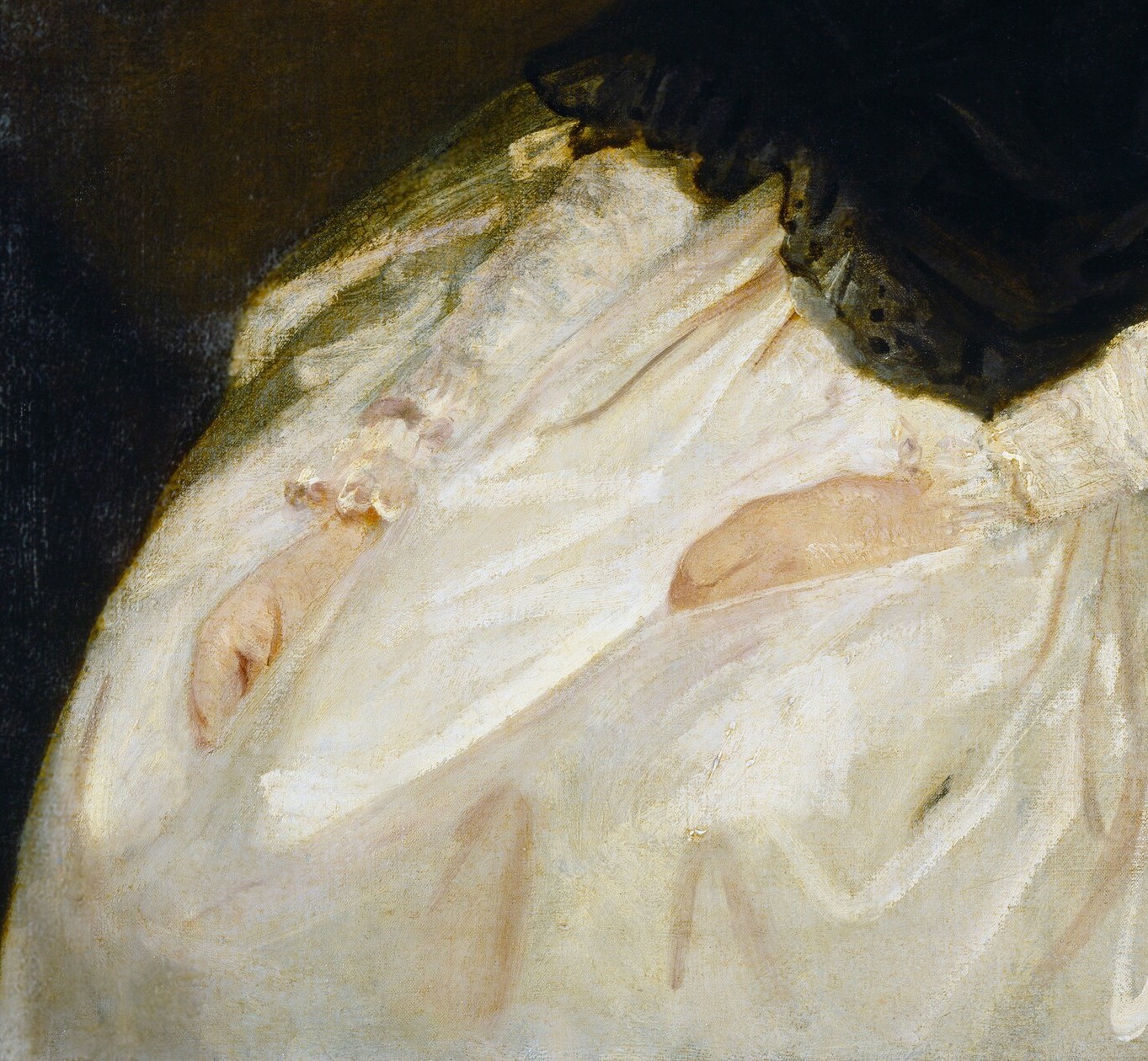
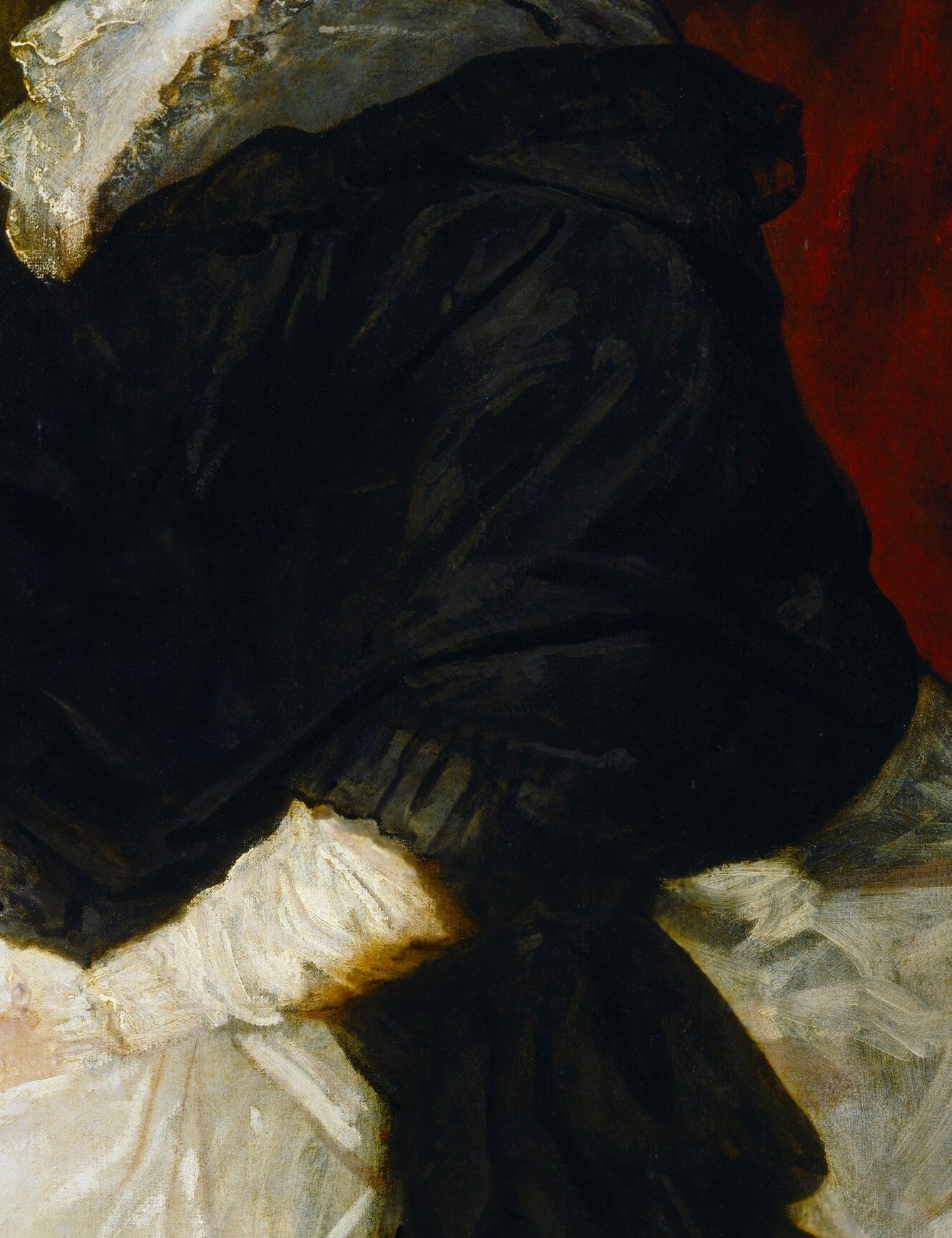
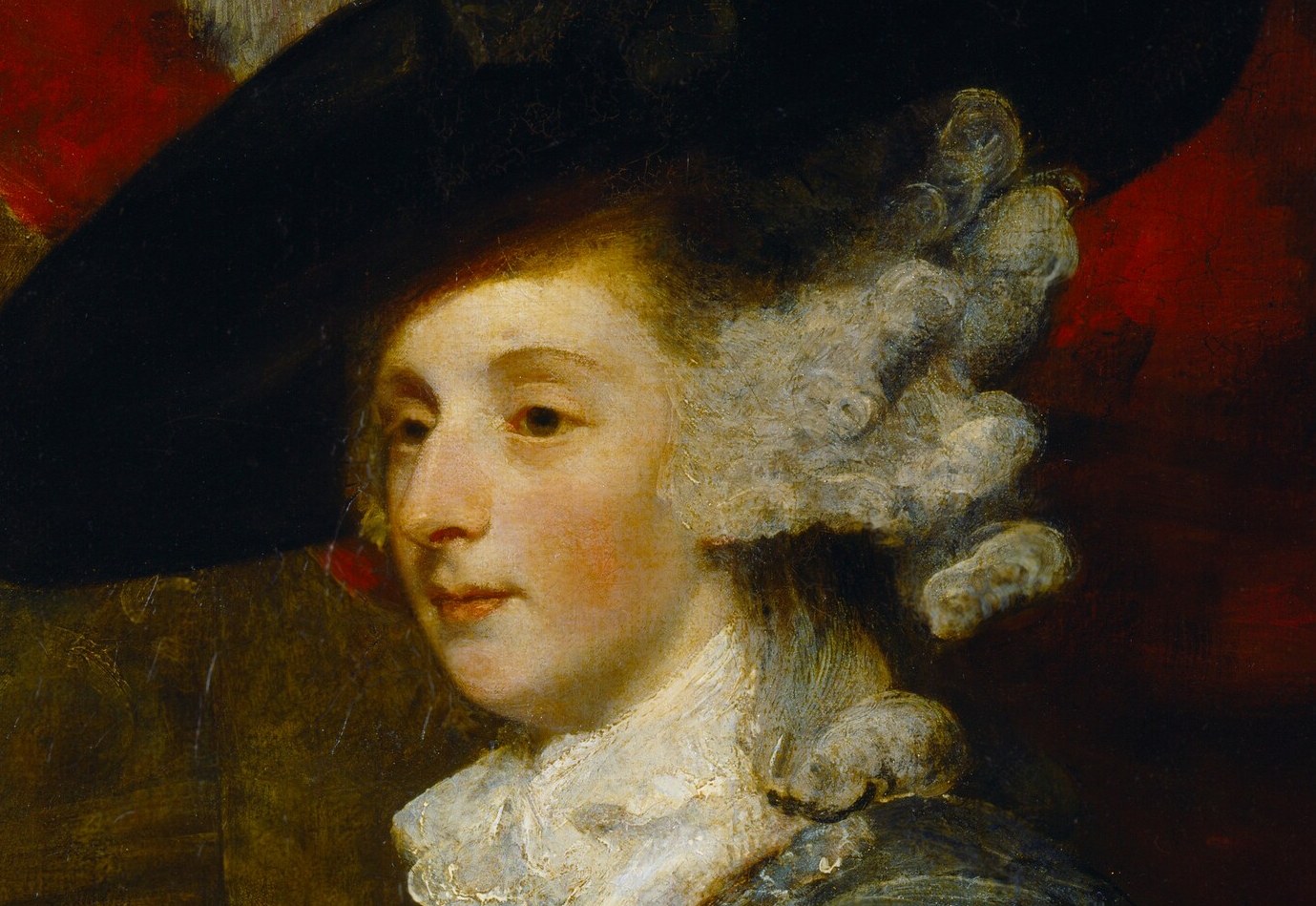
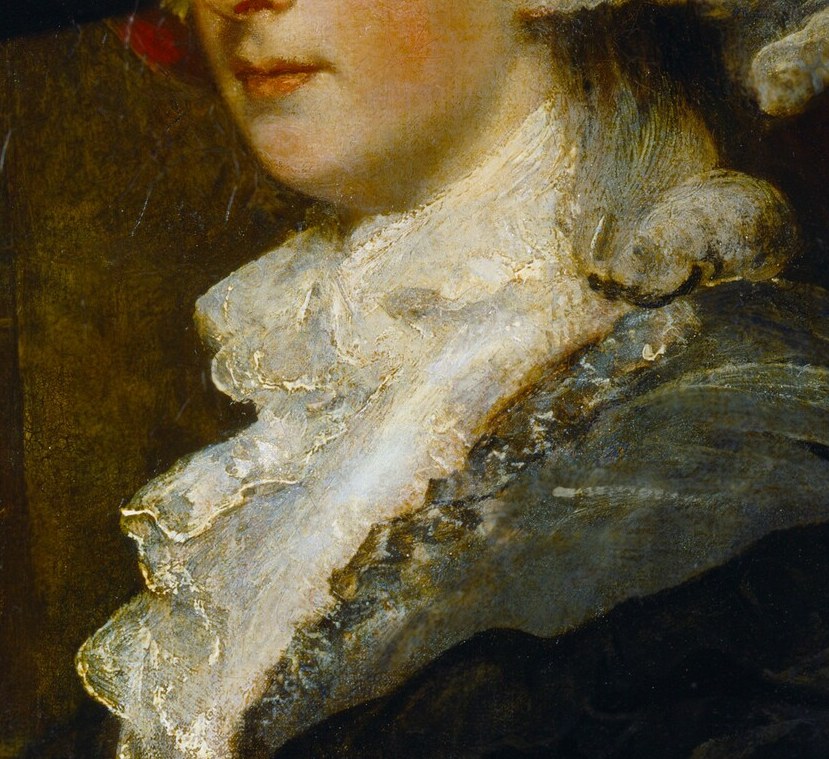
Observe how Reynolds uses dramatic lighting and shadow to give Lady Cornewall's form a sculptural quality, particularly in the luminous folds of her white skirt. Her composed demeanor and elegant attire reflect the artistic conventions championed by Reynolds, who served as the first president of the Royal Academy of Arts.
Reynolds was not just a painter, but a powerful figure who shaped the aesthetic standards of his time. Knighted by George III in 1769, his influence was so profound that he is often credited with revolutionizing British art. This painting stands as a testament to his established authority and his enduring vision.
What details in her expression or attire draw your eye the most?
Details
Transcript
This portrait follows the 18th-century "Grand Style." The artist, Sir Joshua Reynolds, invented it. It shows ideal beauty, not strict realism. Reynolds was so influential he shaped British art for decades. His use of light and shadow creates depth, almost like sculpture. He was knighted for his contributions to art in 1769. This painting represents his artistic authority.