A Saint (Mark?) Reading by Bartolomeo Vivarini
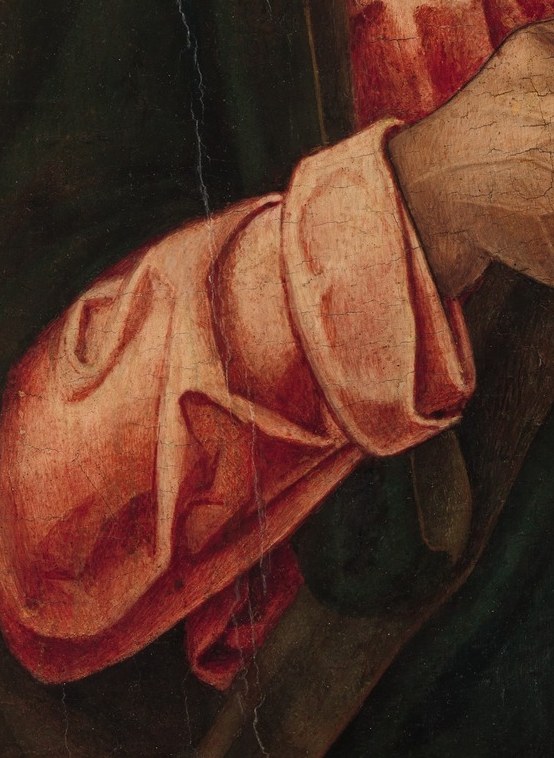
The Metropolitan Museum of Art holds this 1473 tempera panel with a built-in mystery: the title is 'A Saint (Mark?) Reading,' question mark included. Bartolomeo Vivarini painted a man whose identity was already uncertain enough to need a question mark in the catalog.
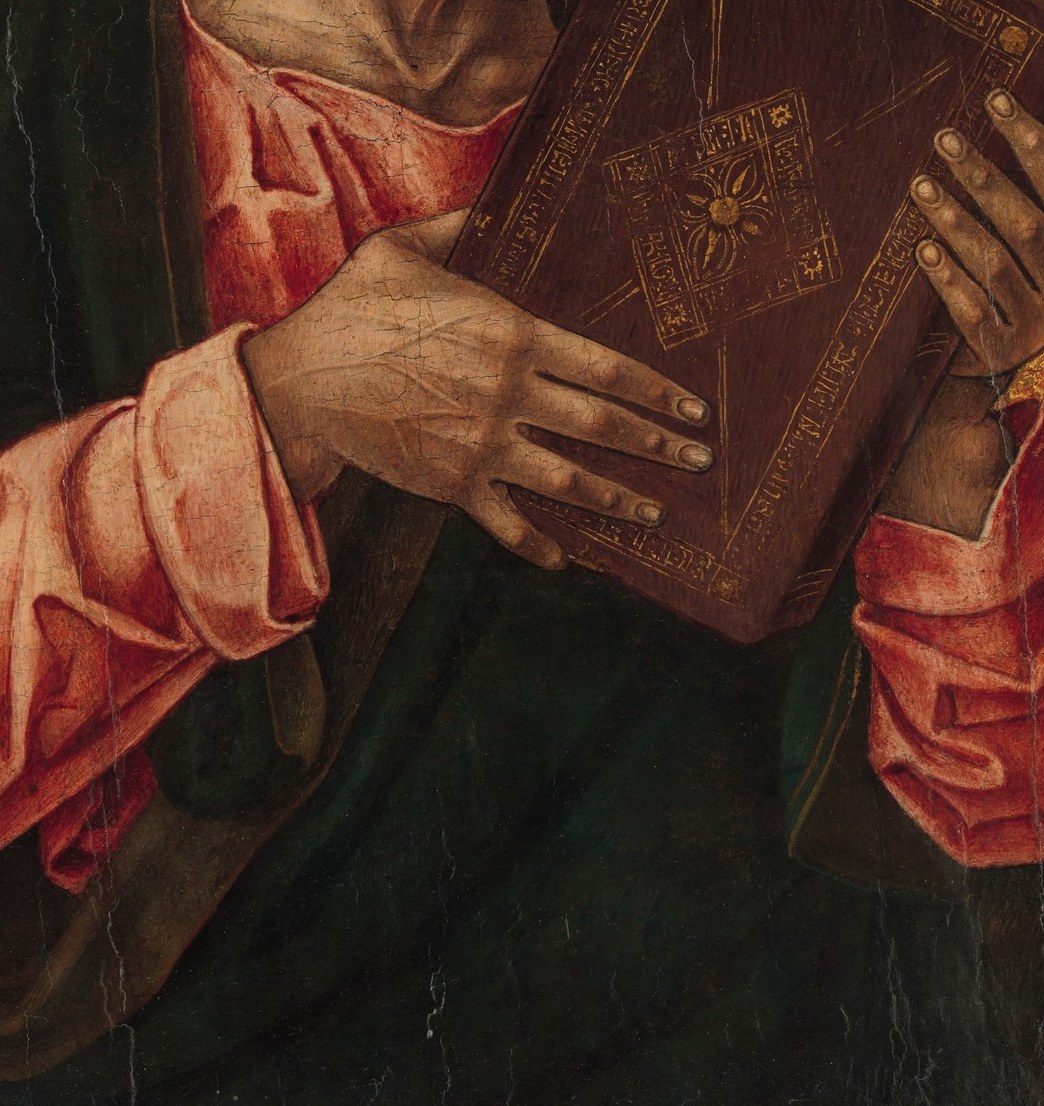
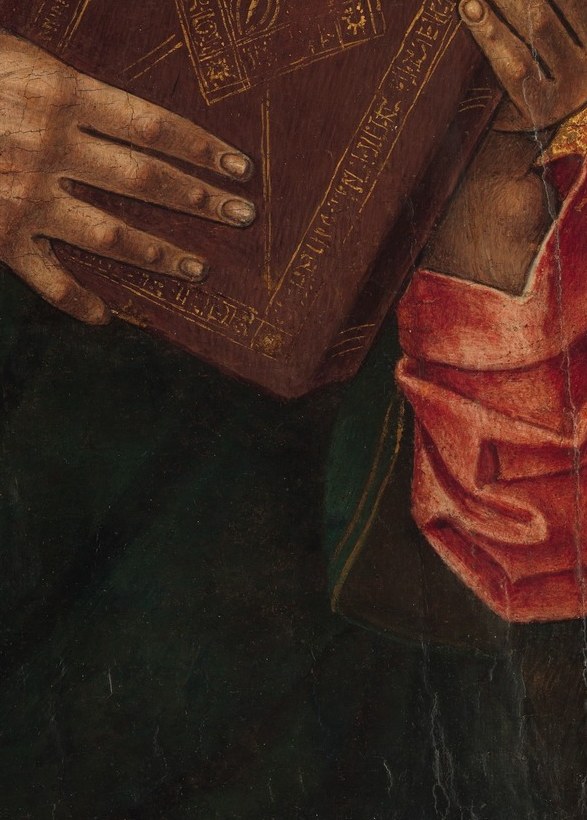
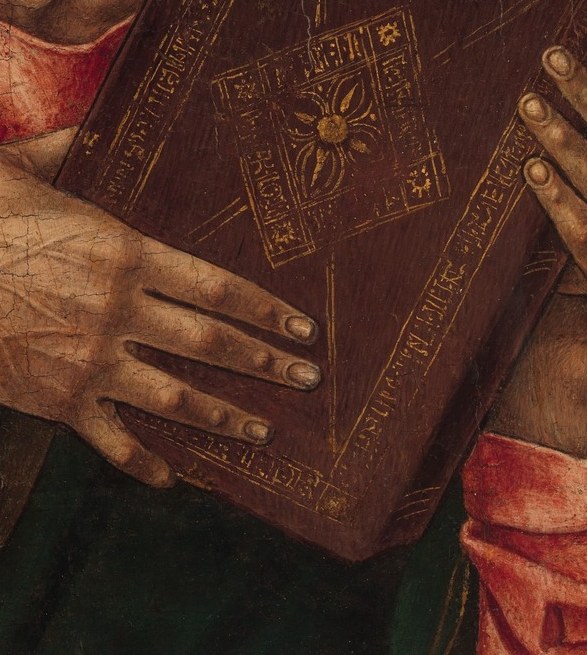
The physical codex is the best clue. It is not a small hand-held book of hours but a massive, gold-clasped volume that looks like a liturgical Gospel book made for public reading. Mark the Evangelist was traditionally shown with a codex, and the sheer scale of this one, pushed forward until it nearly equals the figure himself, argues for a Gospel author rather than a reader or donor.
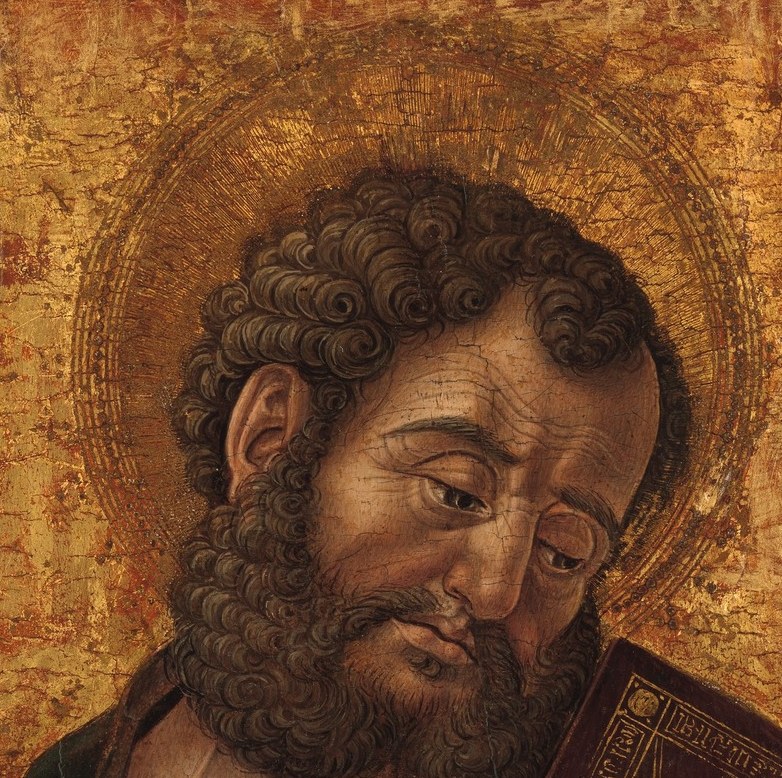
Vivarini painted this in 1473 in Venice, working in tempera at a moment when oil painting was already arriving from the north. The flat gold ground behind the saint is a deliberate archaism, most Italian painters had moved to landscape backgrounds, and it connects the panel to the older tradition of icon-making. The saint's halo nearly dissolves into that gold, so the figure reads as both a man and a sacred presence.
The most surprising detail is the saint's gaze: it is entirely downcast, absorbed in the text. In most 15th-century devotional portraits, the figure meets the viewer's eyes. Here, you are an unnoticed onlooker. If this is Mark, Vivarini caught him mid-sentence, composing the Gospel that begins not with a birth but with a voice crying from the wilderness.
Details
Transcript
The Met calls him 'A Saint (Mark?).' The question mark is official. Look at what he's holding. It's a codex, not a scroll. Bound, solid, heavy. Gospel books this large were made to be seen, not carried. He grips the spine like a scholar who owns it. Mark's Gospel begins with a voice crying in the wilderness. This saint isn't looking at us. He's already there.