The Adoration of the Magi by Giovanni di Paolo
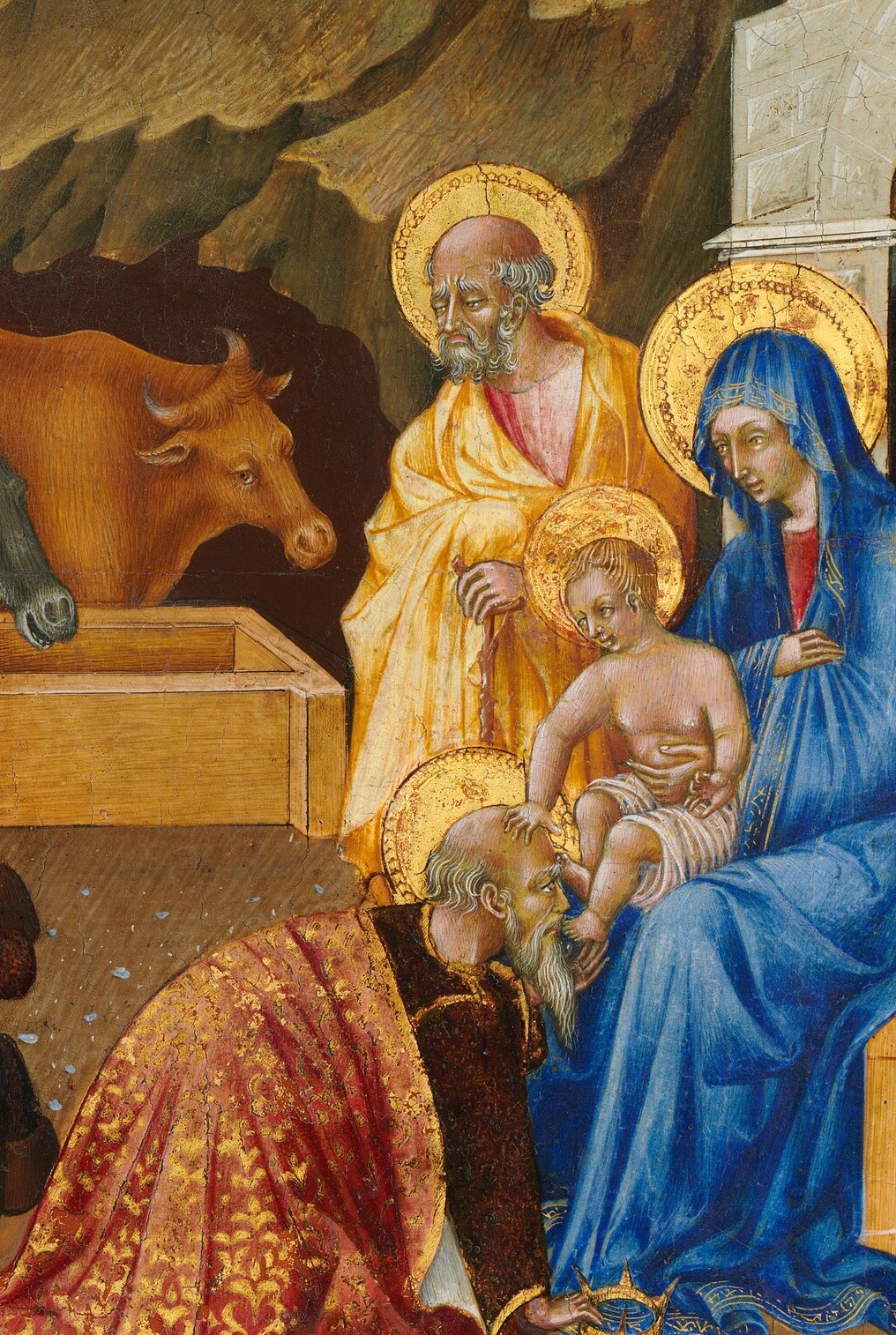
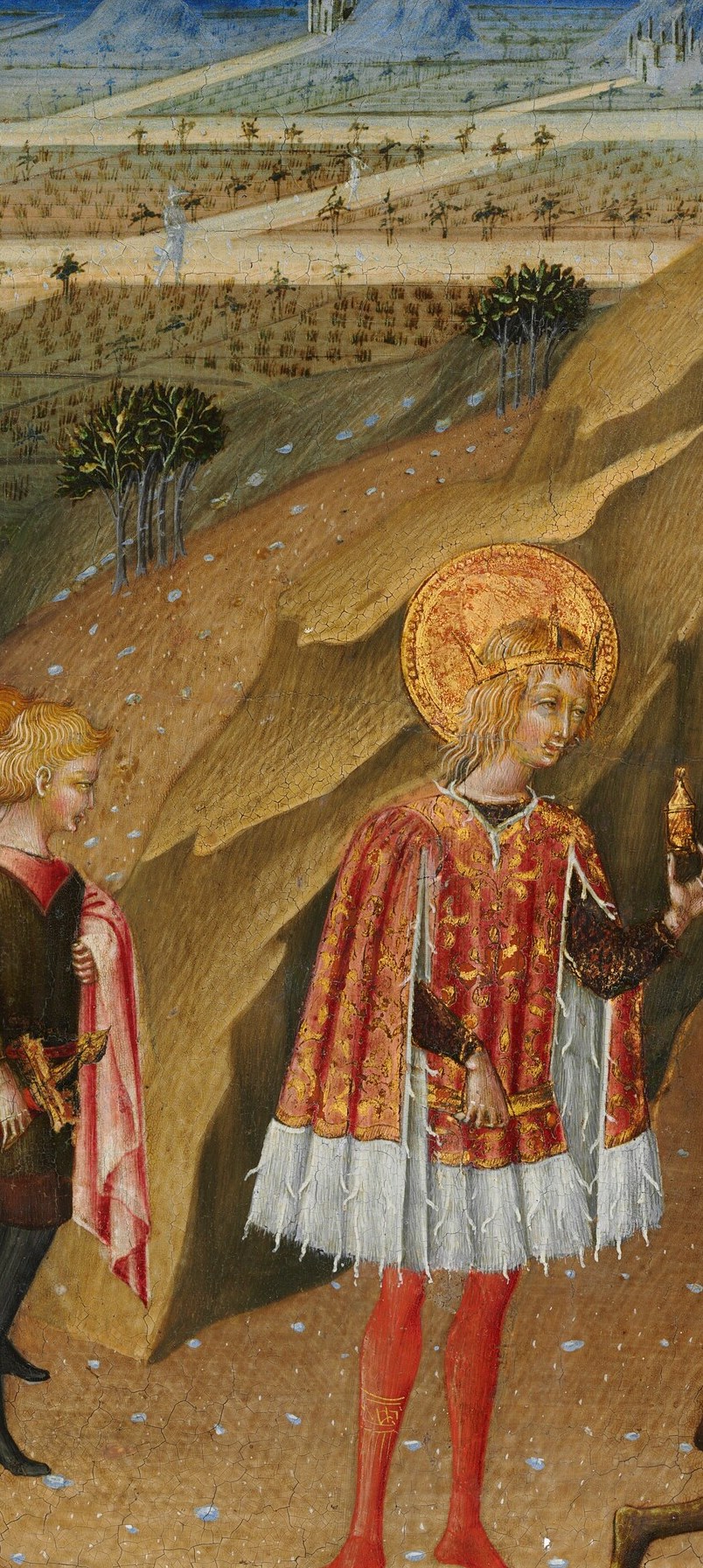
Giovanni di Paolo's "The Adoration of the Magi," painted around 1450, features a dazzling technique that is almost impossible to appreciate in reproduction: the use of real gold leaf.
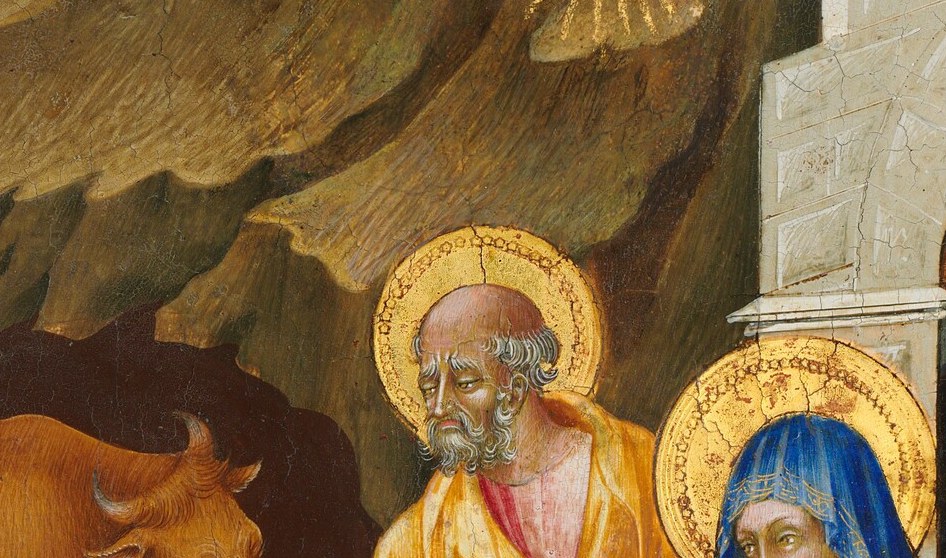
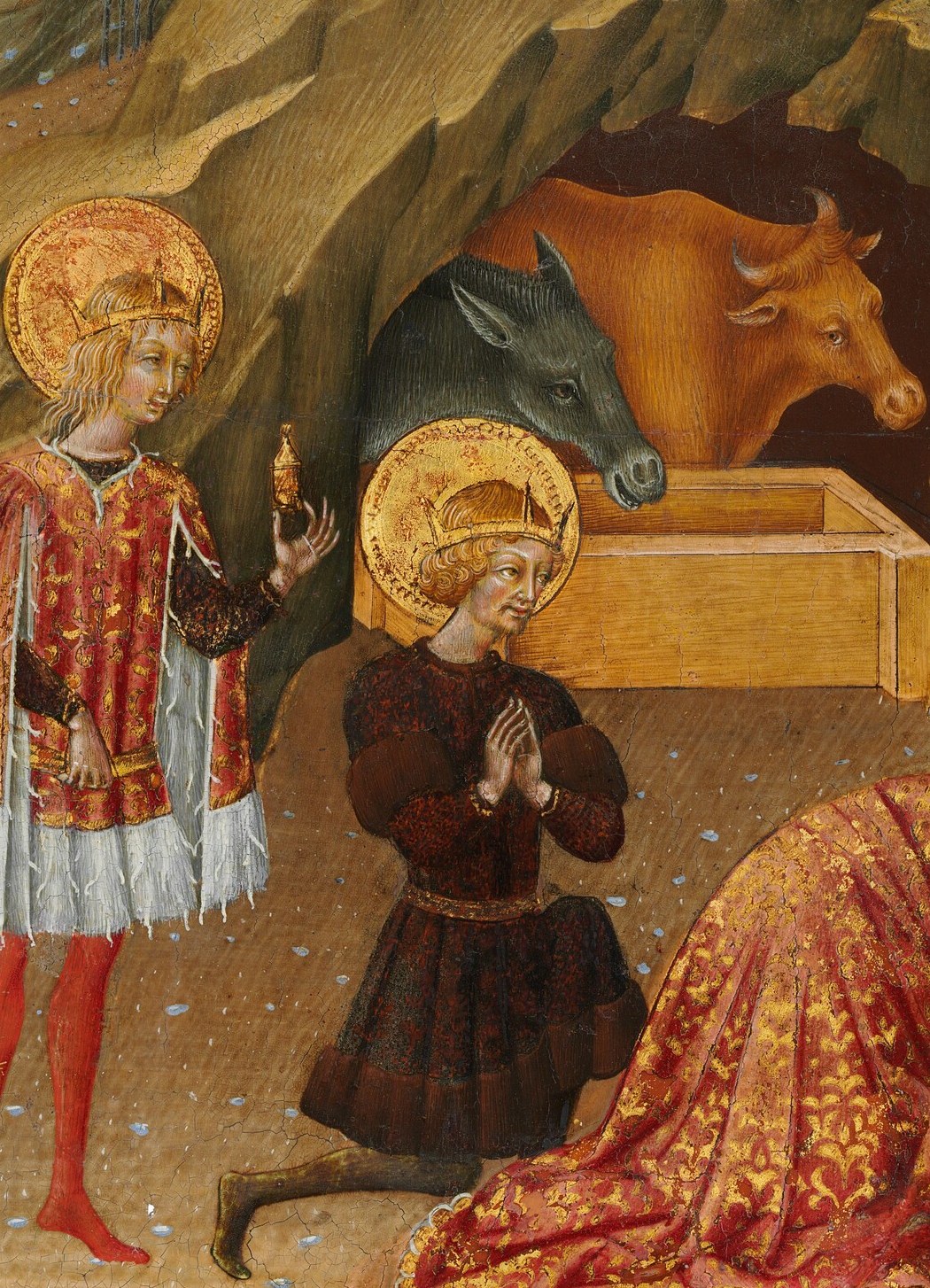
Notice the halos and the Bethlehem star. These aren't just yellow paint; they are actual gold, meticulously applied and then burnished. The painter rubbed the gold leaf to a mirror finish, a process that makes these elements physically reflect light, creating a distinct glow that no pigment can replicate.
This tempera on panel artwork by the Sienese master is a prime example of 15th-century artistry, where the use of precious materials underscored spiritual power and wealth. Giovanni di Paolo was known for his vibrant colors and detailed work, but this shimmering gold truly set his pieces apart.
Next time you see an early Renaissance painting, imagine how these golden areas would have shimmered in candlelight.
Details
Transcript
This painting from 1450 looks vivid, but it used a lost trick. Modern screens can't capture how it gleams. The painter used actual gold leaf, not just yellow paint. He burnished the gold, rubbing it to a mirror finish. This gold physically reflects light, unlike any pigment. It makes parts of the painting truly glow.