Landscape with Polyphemus by Nicolas Poussin
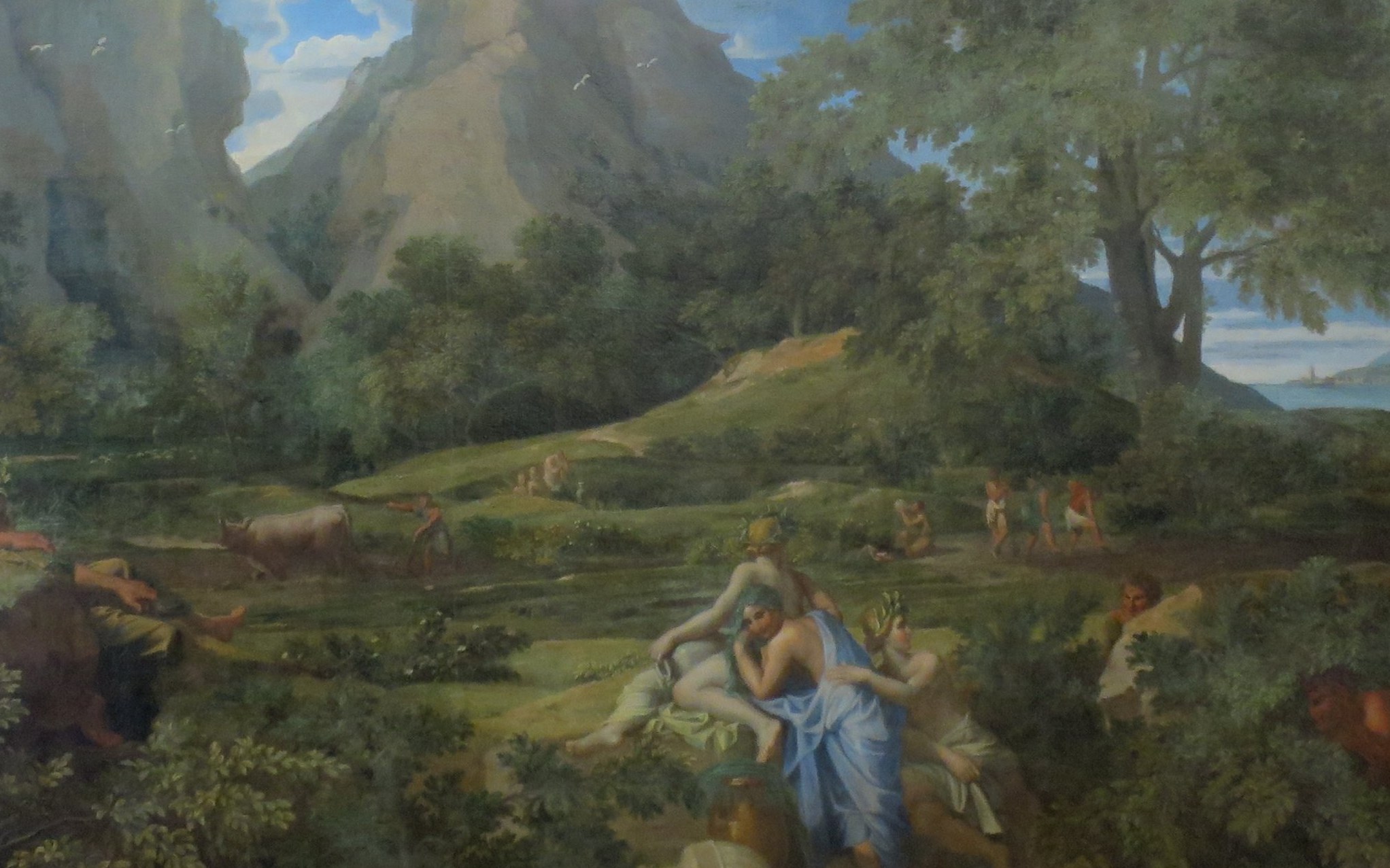
Nicolas Poussin's 1649 painting, "Landscape with Polyphemus," held at the Hermitage Museum, tells a dramatic mythological story within a serene landscape. While the main narrative unfolds in the foreground, Poussin's meticulous detail rewards closer inspection.
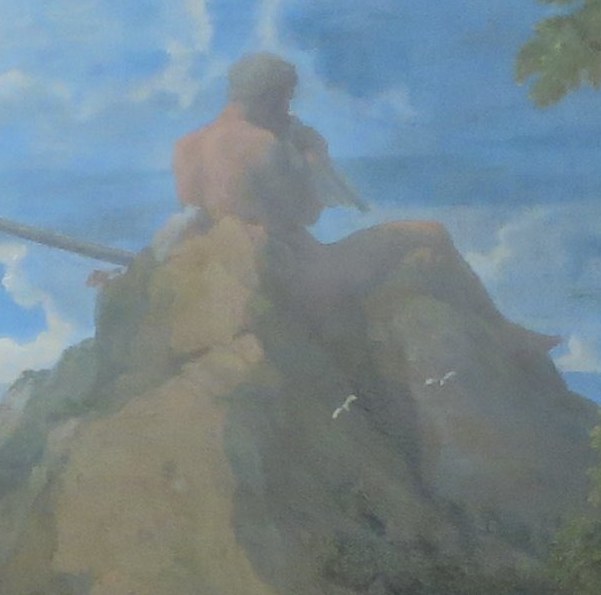
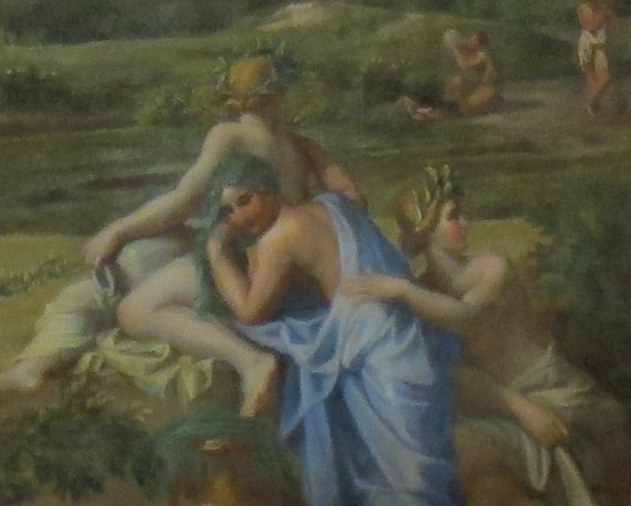
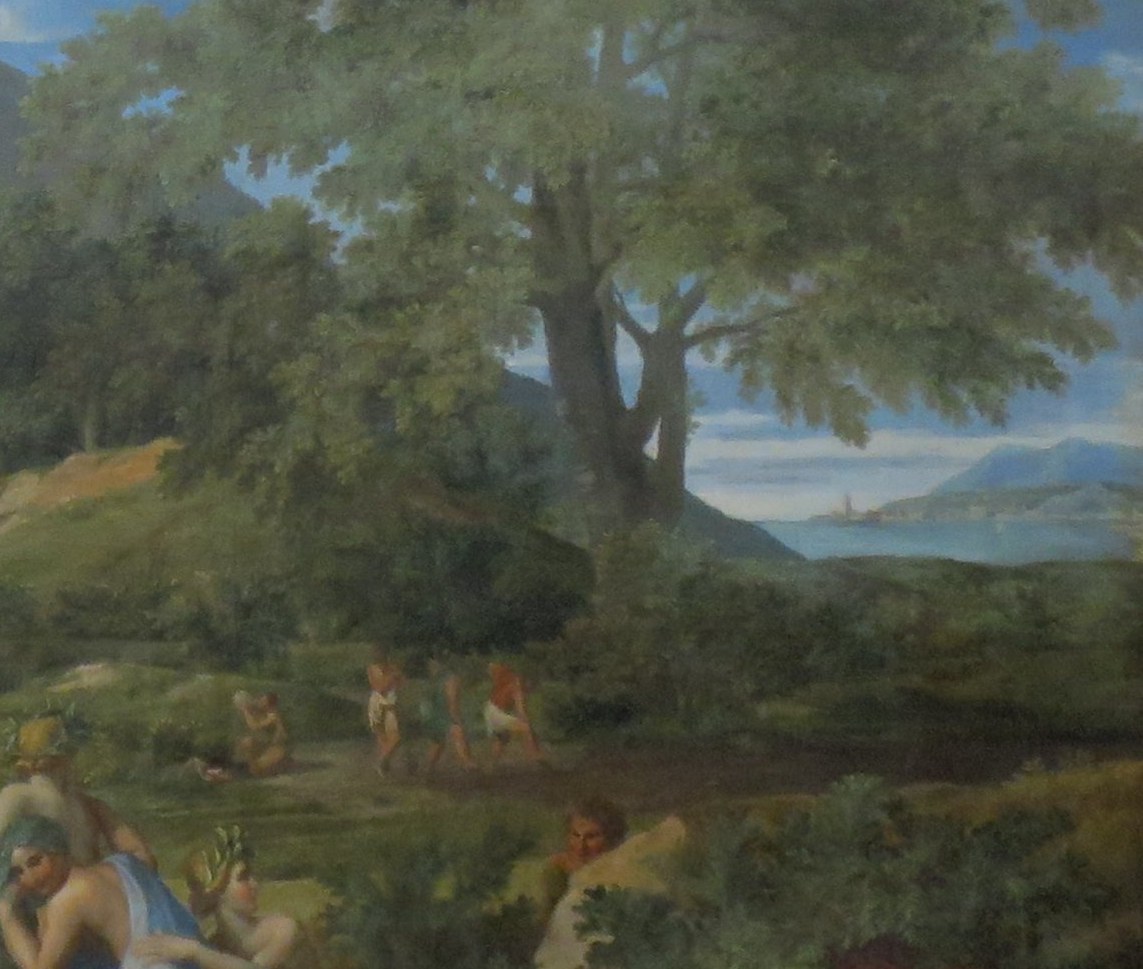
The painting depicts the Cyclops Polyphemus playing his reed pipes, attempting to woo the nymph Galatea. However, Galatea is shown fleeing with her lover, Acis, highlighting a tale of unrequited love and escape. Notice the subtle, distant classical architecture, revealing a hidden cityscape far beyond the immediate pastoral scene, adding layers to Poussin's carefully constructed world.
Painted during Poussin's later period in Rome, this work exemplifies his synthesis of narrative drama and harmonious natural order. It reflects his commitment to intellectual rigor and the primacy of line over color, a hallmark of his classical French Baroque style. The painting's presence in the Russian imperial collection since the 19th century underscores its historical significance.
What other hidden details do you notice in Poussin's meticulously crafted landscapes?
Details
Transcript
This painting tells a myth of love, jealousy, and escape. The Cyclops Polyphemus plays his pipes to woo the nymph Galatea. But Galatea flees with her lover, Acis, in the foreground. Poussin included many small figures and details across the scene. Look closely at the distant hills, to the right of Polyphemus. A whole city, with classical buildings, lies far away.