Île aux Fleurs near Vétheuil by Claude Monet
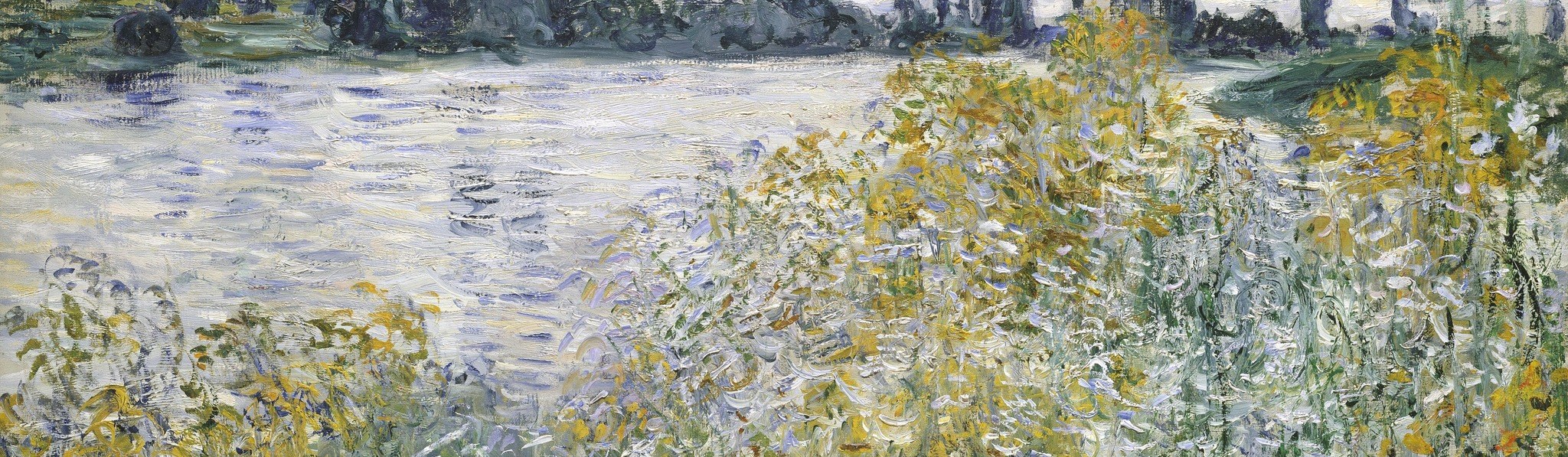
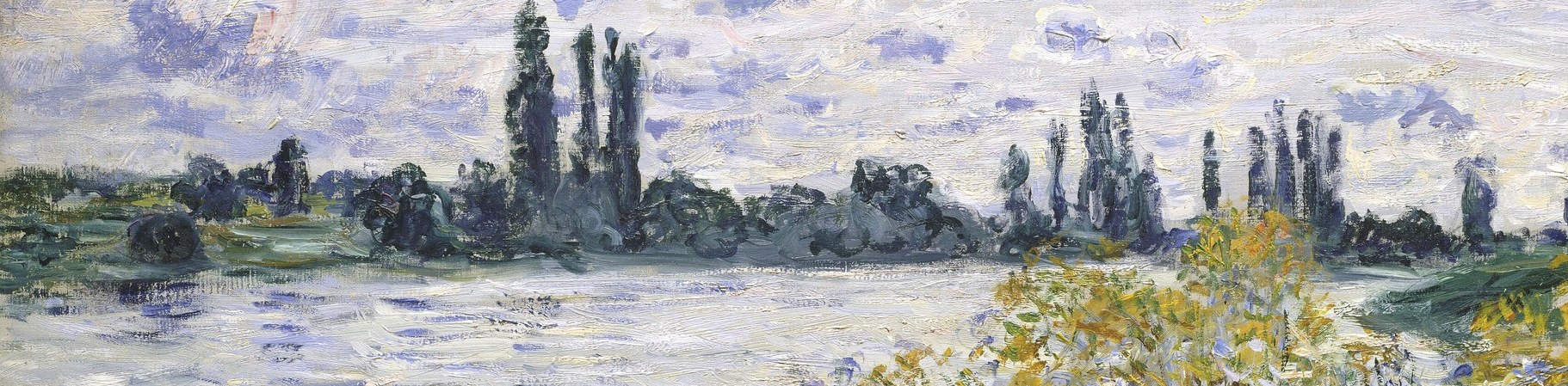
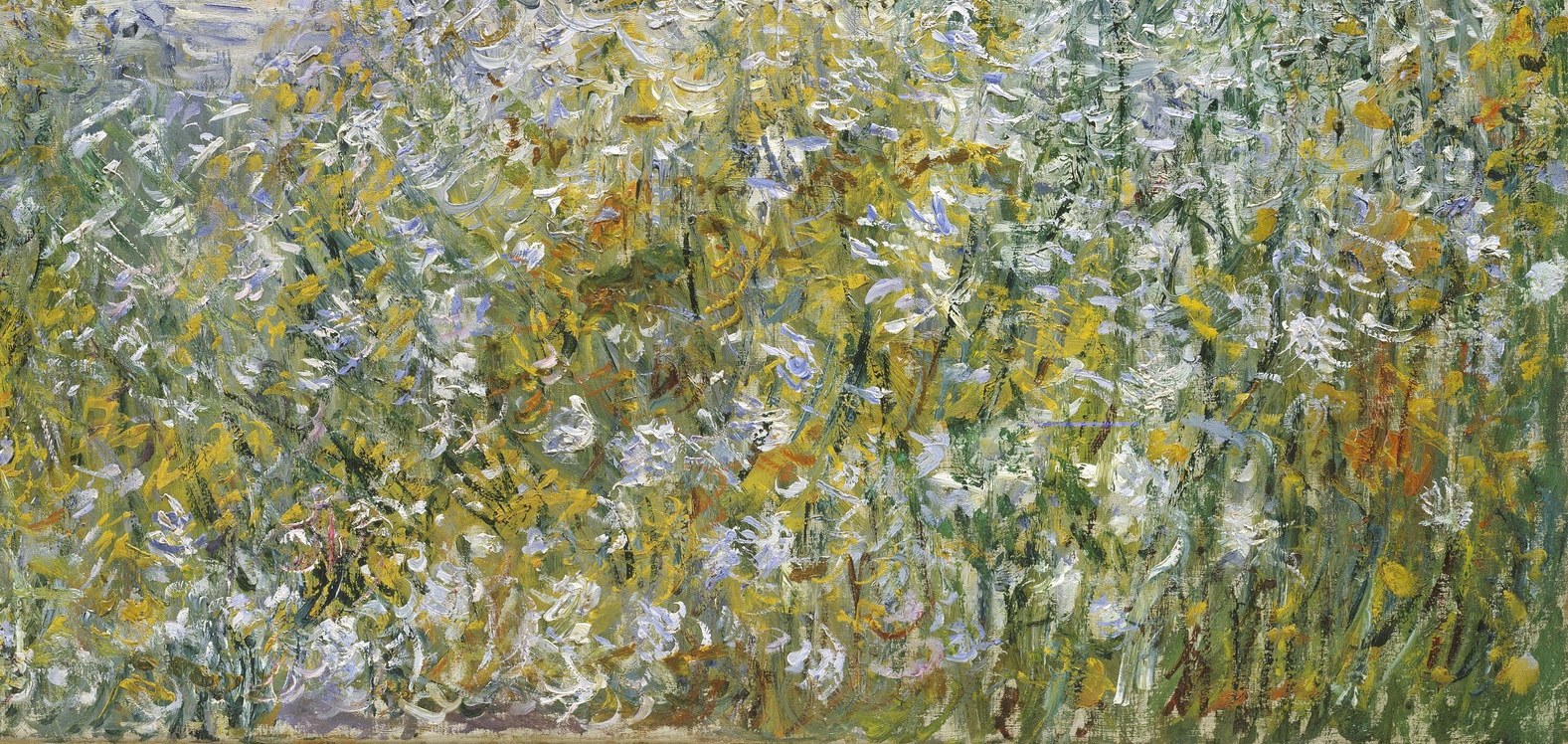
Claude Monet's "Île aux Fleurs near Vétheuil," painted in 1880 and held at The Metropolitan Museum of Art, is a masterclass in capturing the ephemeral qualities of light and nature. While celebrated for its vibrant brushwork and luminous river, a subtle detail on the far bank often goes unnoticed.
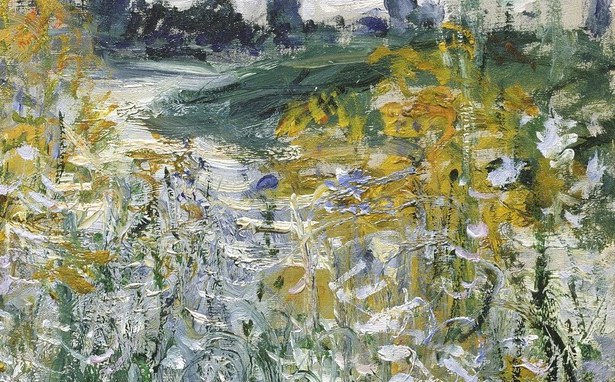
Look closely at the distant shoreline: a winding path emerges from the greenery. This small, unassuming trail is a quiet invitation, a suggestion of human presence in an otherwise wild and untouched landscape. It adds a narrative layer, hinting at journeys taken or yet to come, and a connection between humanity and the vastness of nature.
Monet, a founder of Impressionism, was renowned for his plein air (outdoor) landscape paintings, consistently seeking to express his perceptions of nature. This painting exemplifies his dedication to capturing the transient effects of light and atmosphere, making the subtle path a poignant detail within his broader vision. What emotions does this hidden path evoke for you?
This painting invites us to slow down, to explore, and to find the hidden stories within the familiar.
Details
Transcript
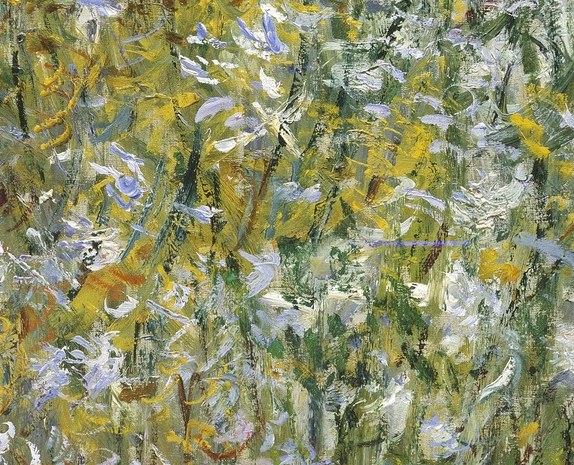
This painter often focused on light and color. See how the water shimmers, reflecting the sky. The foreground grasses burst with visible brushstrokes. But look closely across the river, at the distant bank. There, a hidden path winds through the trees. A secret hint of human presence in a wild landscape.