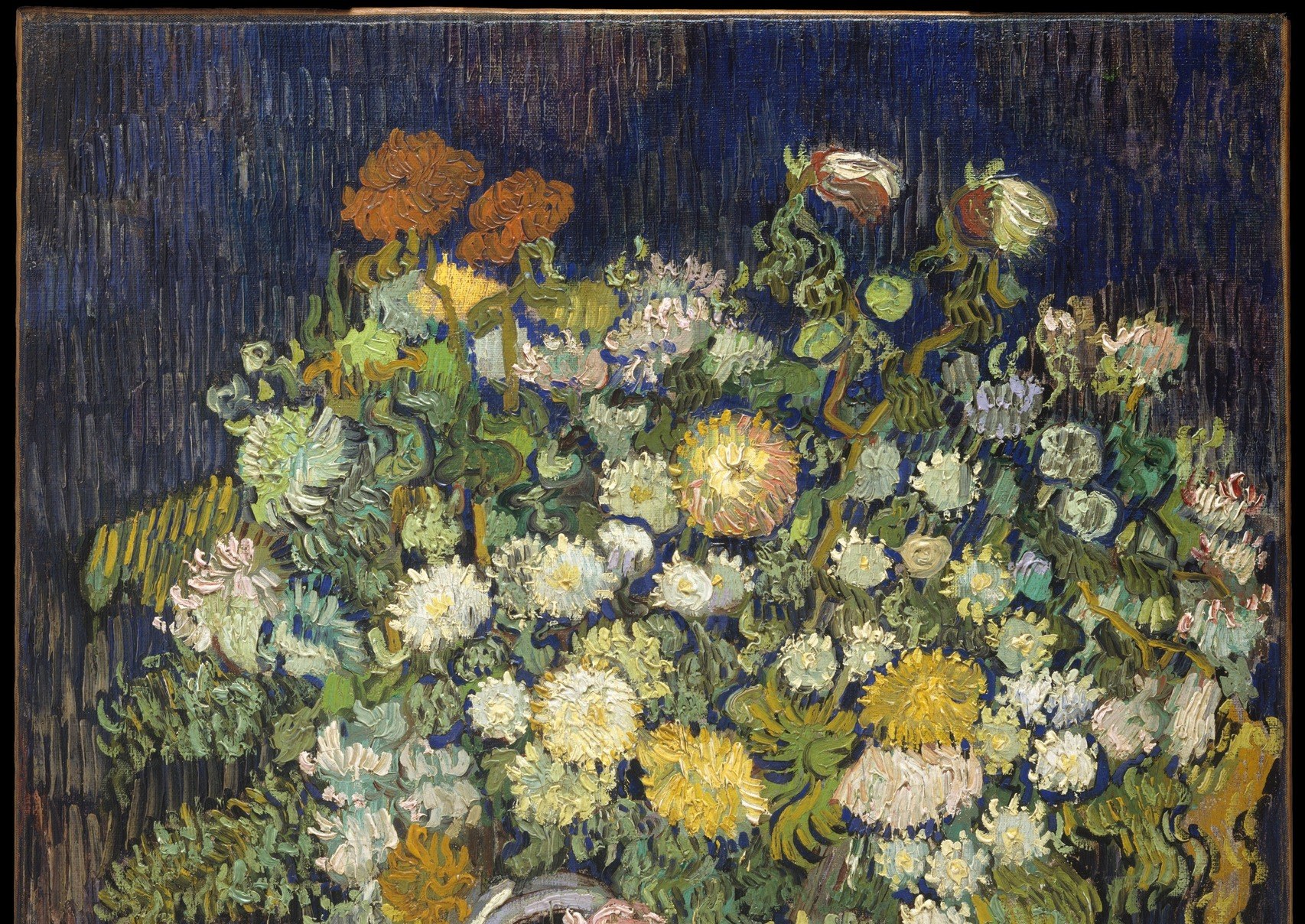
Bouquet of Flowers in a Vase by Vincent van Gogh
In 1890, Vincent van Gogh was a patient at the asylum of Saint-Paul-de-Mausole in Saint-Rémy-de-Provence. He painted this bouquet from flowers he found in the overgrown garden there. It is now in the collection of The Metropolitan Museum of Art.
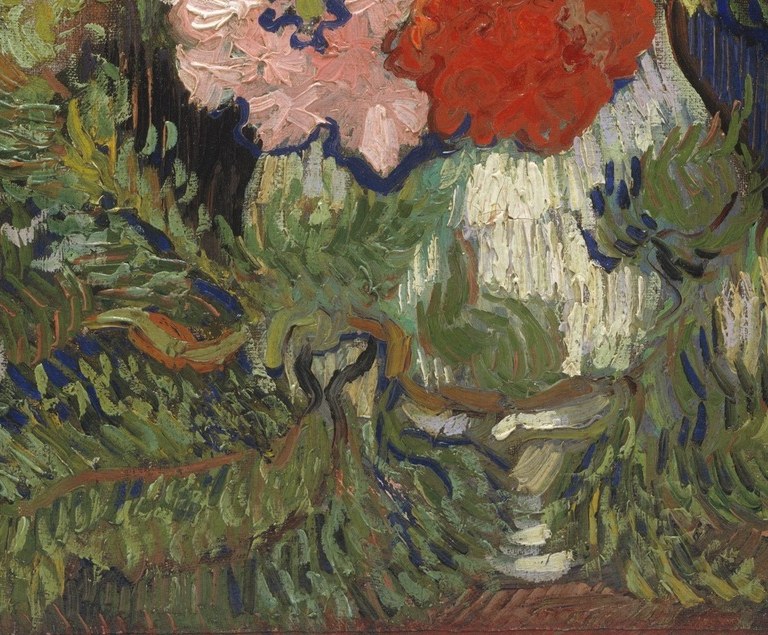
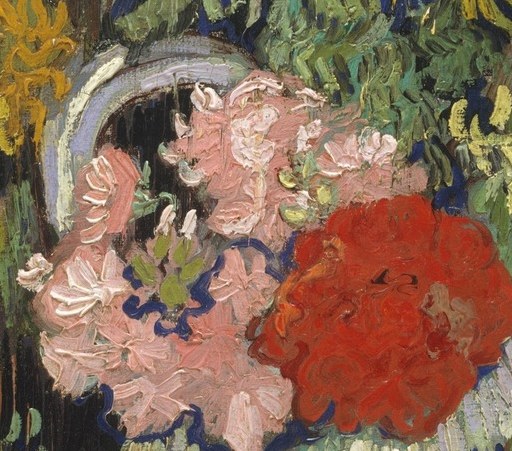
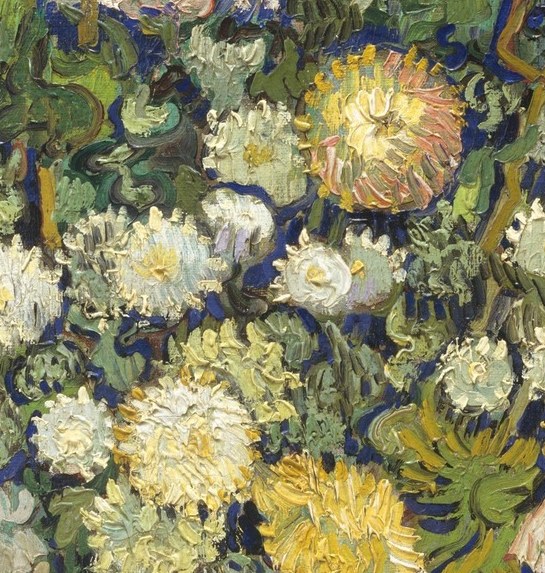
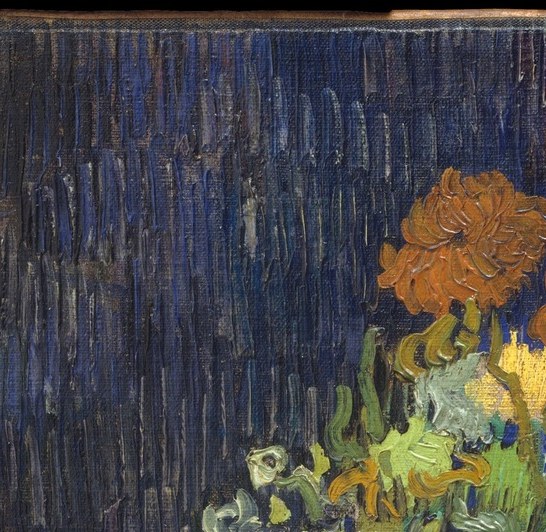
The painting shows his technique at its most physically intense. The petals, especially the large yellow chrysanthemums at center, are not just painted but built. Short, loaded strokes of oil paint rise several millimeters from the canvas, catching light and casting their own tiny shadows. A single vivid red poppy near the lower center acts as a visual anchor amid the cooler yellows, whites, and greens.
Van Gogh painted constantly during this period, sometimes finishing a canvas a day. But the materials were punishingly expensive. Correspondence and accounts from the period show that a single tube of oil paint could cost more than a week's worth of bread, meat, and coffee combined. His younger brother Theo, an art dealer, sent him canvases and paints regularly, effectively funding the work while struggling to sell anything Vincent produced.
In July of 1890, Van Gogh walked into a wheat field and shot himself. He died two days later. During his lifetime, he sold exactly one painting. Today, a single Van Gogh still life would command more at auction than most museums spend on acquisitions in a decade. The flowers he gave everything for still hold their color.
Details
Transcript
A bouquet painted from the asylum garden. Van Gogh made this in 1890, his final year. This single red flower pulls your eye first. Look at the paint itself: it stands off the canvas. He bought paint instead of food. A single tube cost more than a week of meals. He died a few months later, having sold one painting.