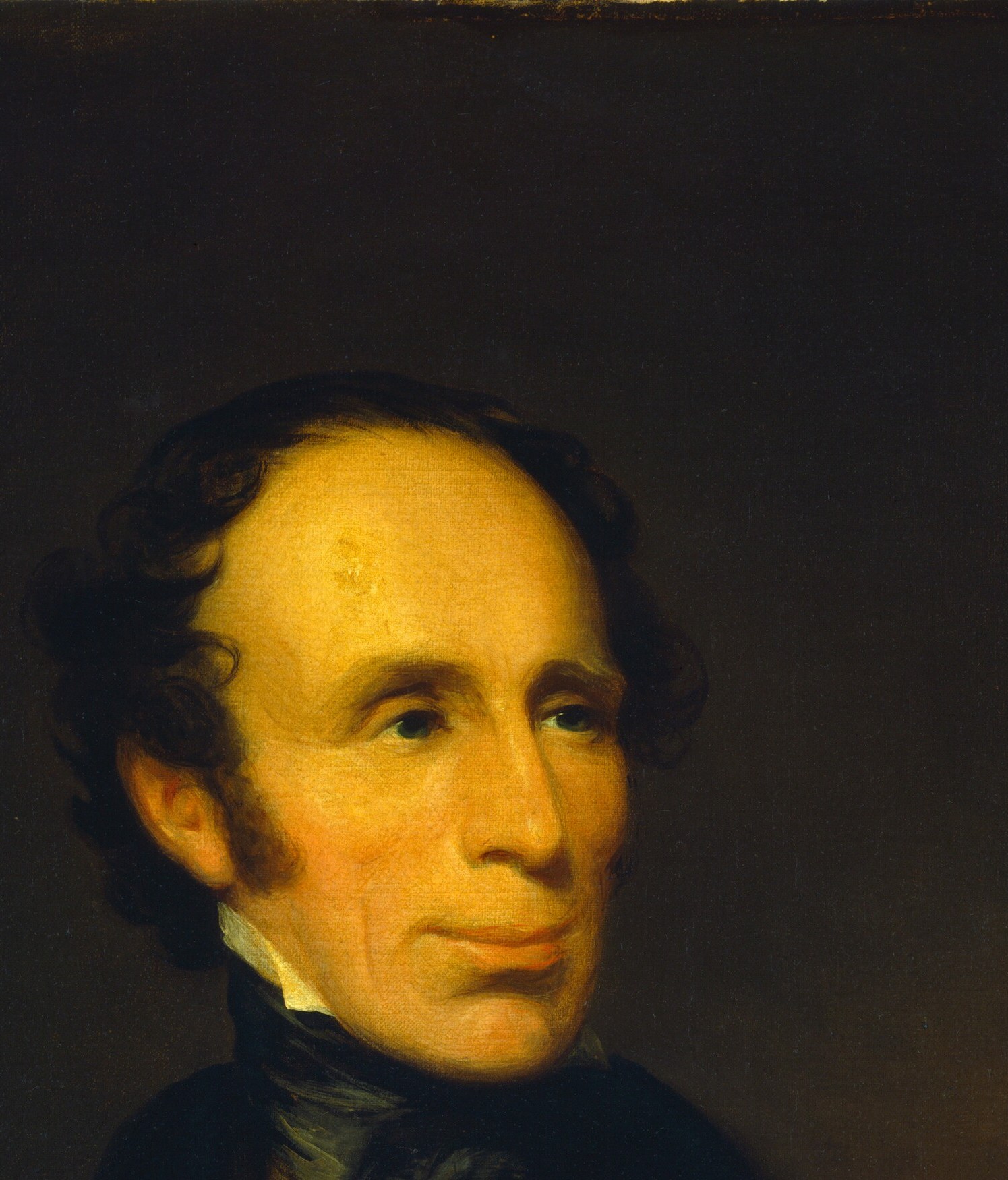
George Dodd by Neagle, John
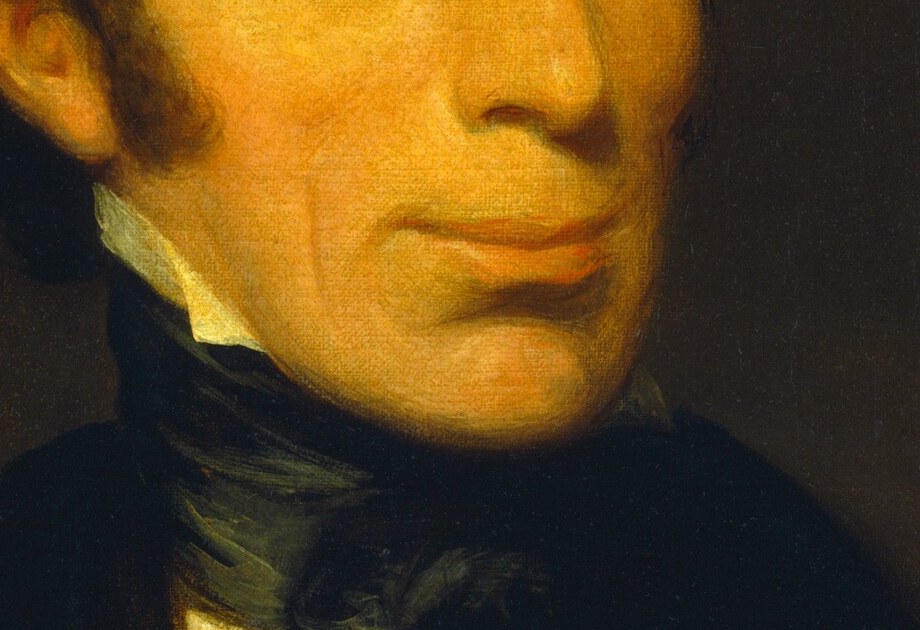
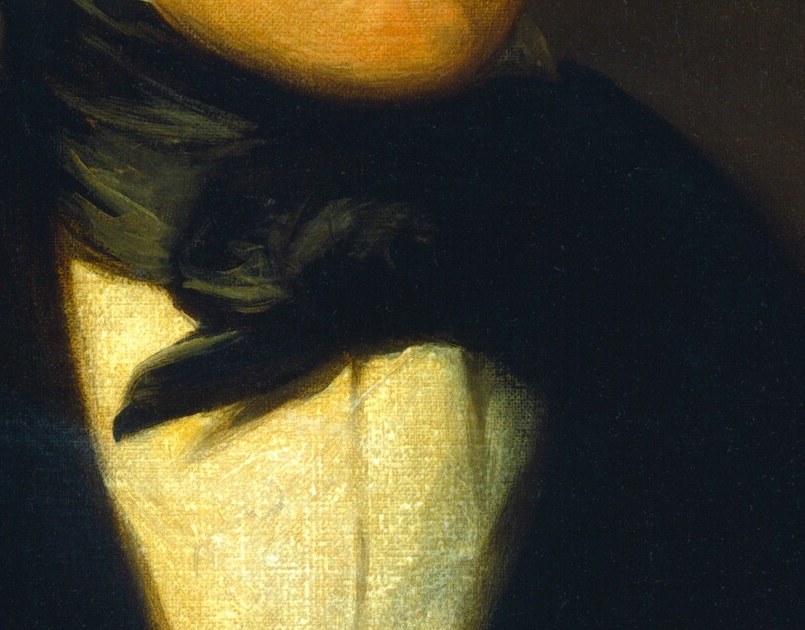
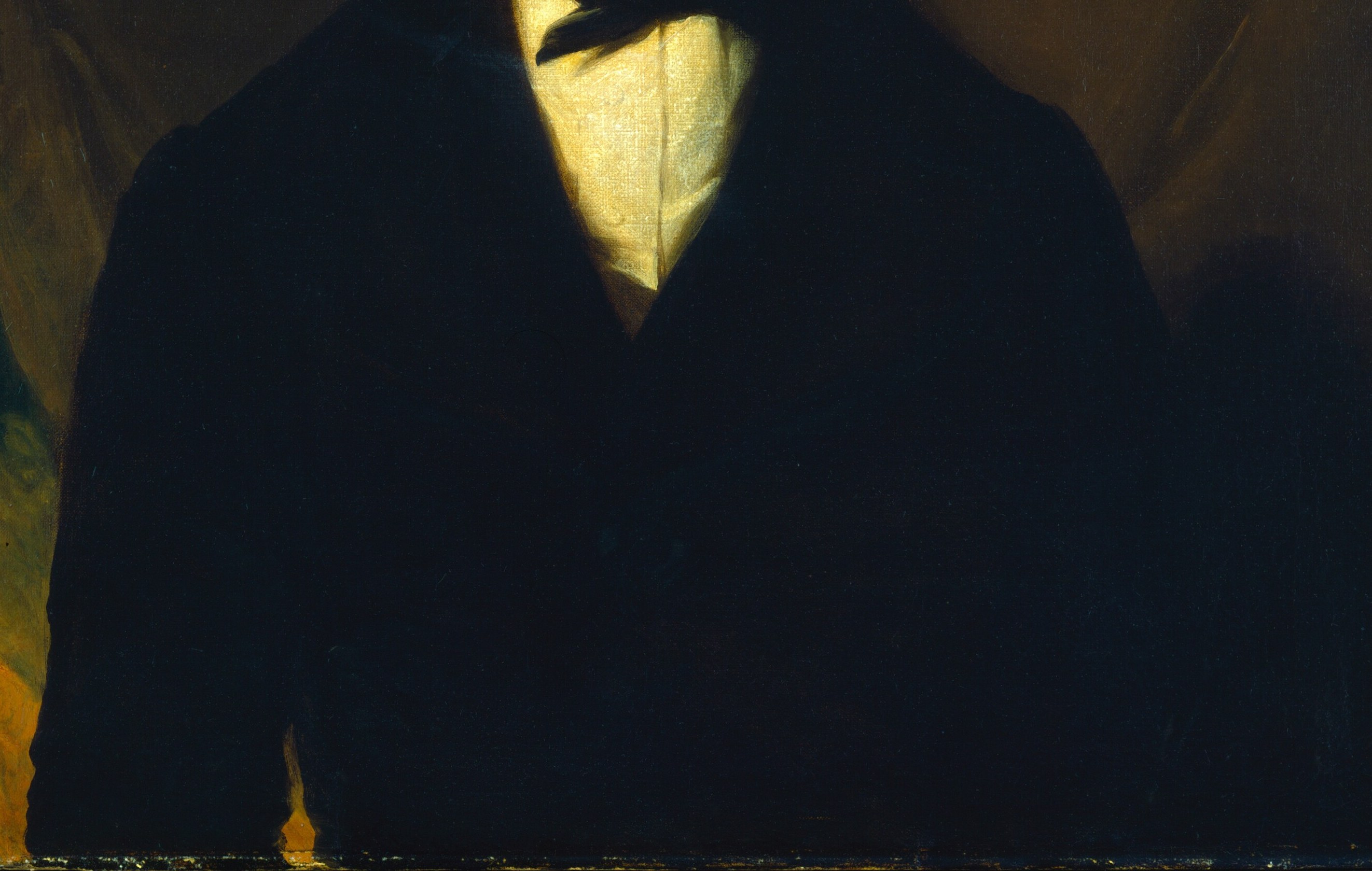
John Neagle's 1852 portrait, "George Dodd," now at the [Museum Name, if known], offers a fascinating window into mid-19th-century social codes. Every element of Dodd's appearance, from his neatly shaven chin to his meticulously tied cravat, communicates his social standing and adherence to the fashion of the era.
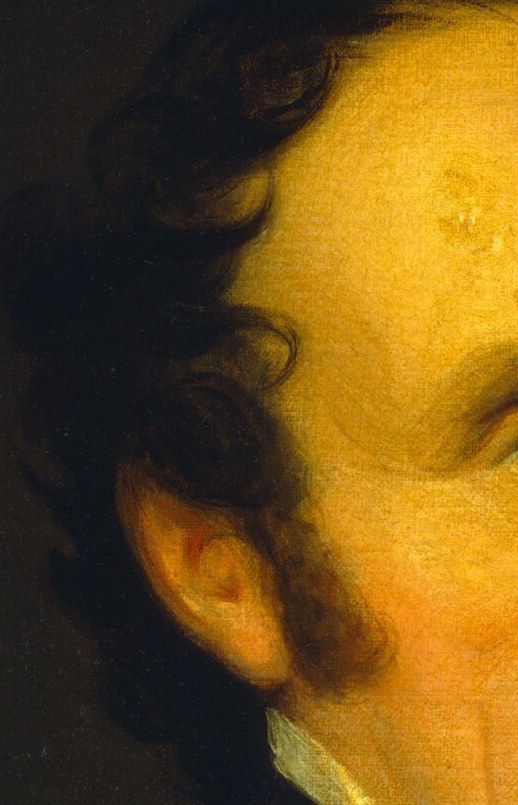
Notice the contrast between his bright white collar and the dark frock coat, a deliberate choice that emphasizes his professional respectability. The precise knot of his stock cravat and the specific trim of his sideburns are not just stylistic choices, but distinct markers that help us date the portrait to the 1850s, a period of evolving men's fashion.
Neagle, an American artist active from 1796 to 1865, was known for his realistic approach to portraiture. His careful rendering of details allows us to "decode" the subtle visual cues that were so important in Victorian society, revealing a world of unspoken rules and conventions.
What other details do you notice that speak to the portrait's time?
Details
Transcript
Meet George Dodd, painted in 1852. His firm jaw and clean chin were a deliberate choice. Beards were returning, but this look conveyed professional propriety. His high white collar and stock cravat, a strong tonal contrast. Its neat knot was a precise fashion marker for the 1850s. Even his neatly trimmed sideburns signal the exact decade. Every detail tells a story of his time and place.