The Colza (Harvesting Rapeseed) by Breton, Jules
Jules Breton's "The Colza (Harvesting Rapeseed)" from 1860, housed in a regional museum, beautifully captures an idealized vision of rural French life.
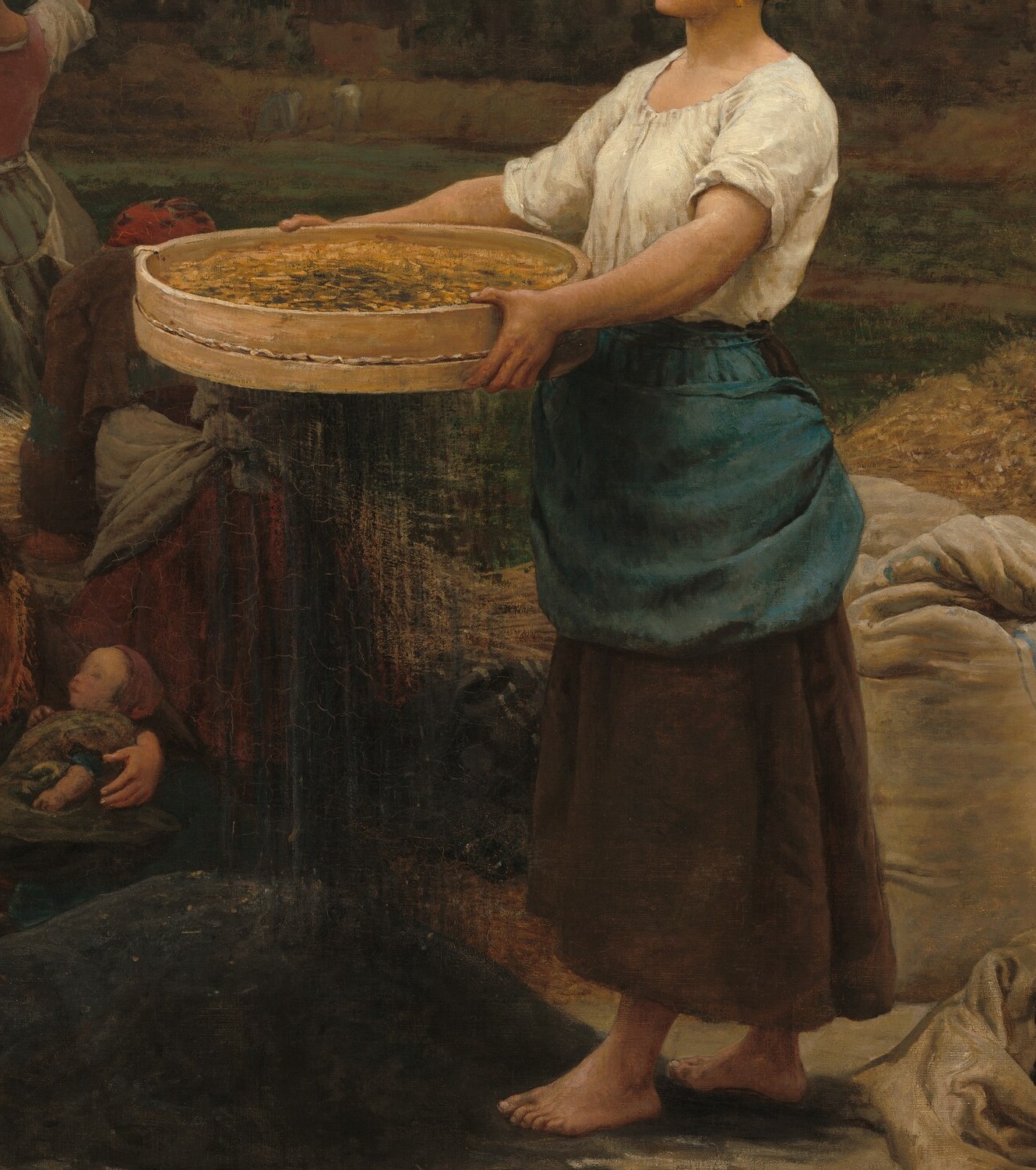
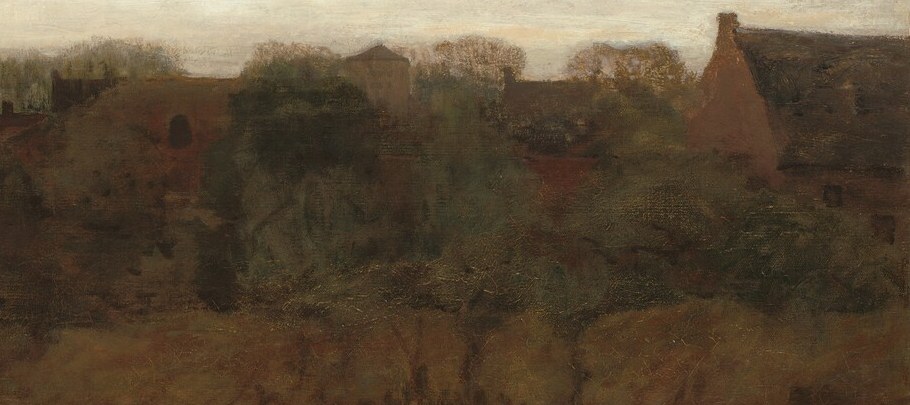
The painting centers on women engaged in the rapeseed harvest, emphasizing the quiet dignity of their labor. Look at the central figure, her expression serene, her sieve overflowing with the golden rapeseed, symbolizing abundance and the fruits of hard work. Even the distant village suggests a timeless connection to the land.
Breton, a naturalist painter, was known for his detailed and harmonious depictions of peasant life. This work emerged during his early career, contributing to his reputation for rural genre scenes, and was exhibited in Paris shortly after its creation. It reflects the Realist movement's focus on everyday life, but with a distinctly idealized, almost nostalgic, sensibility.
What details in this harvest scene resonate most with you?
Details

Transcript
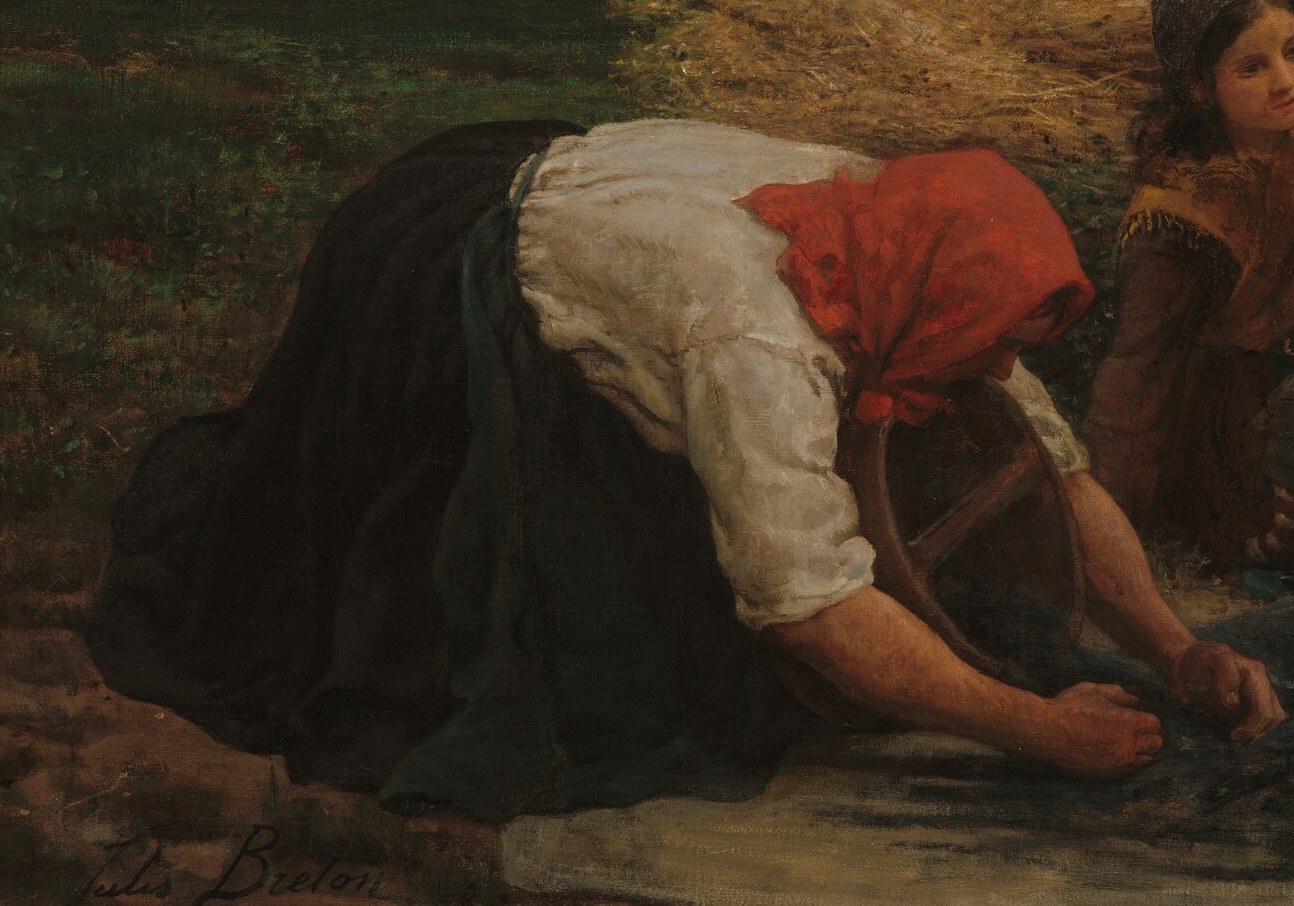
In 1860, this painter showed the dignity of rural life. He focused on the rhythm of harvesting rapeseed. This woman's calm face suggests accomplishment after hard work. The full sieve shows the bounty of the harvest. This work was exhibited in Paris shortly after its completion. The artist's signature, simple and clear, grounds this quiet scene.