The Artist's Paint Box and Moss Roses by Vuillard, Edouard
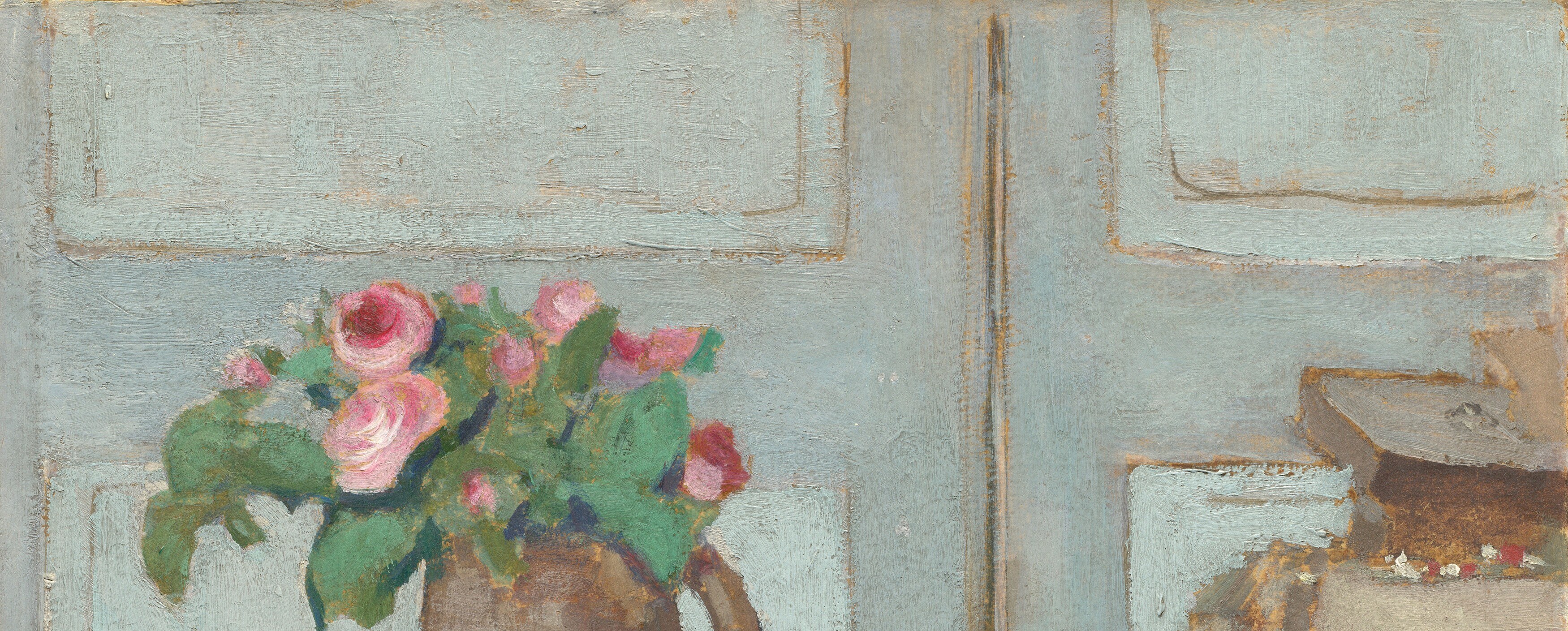
In Édouard Vuillard's 1898 painting, *The Artist's Paint Box and Moss Roses*, we get a glimpse into the intimate world of a Parisian artist's studio.
Vuillard was a key member of Les Nabis, an avant-garde group active in the late 19th century. They rejected academic realism, favoring bold color, flattened perspectives, and a strong emphasis on decorative patterns. This painting, executed with oil on cardboard, exemplifies their approach.
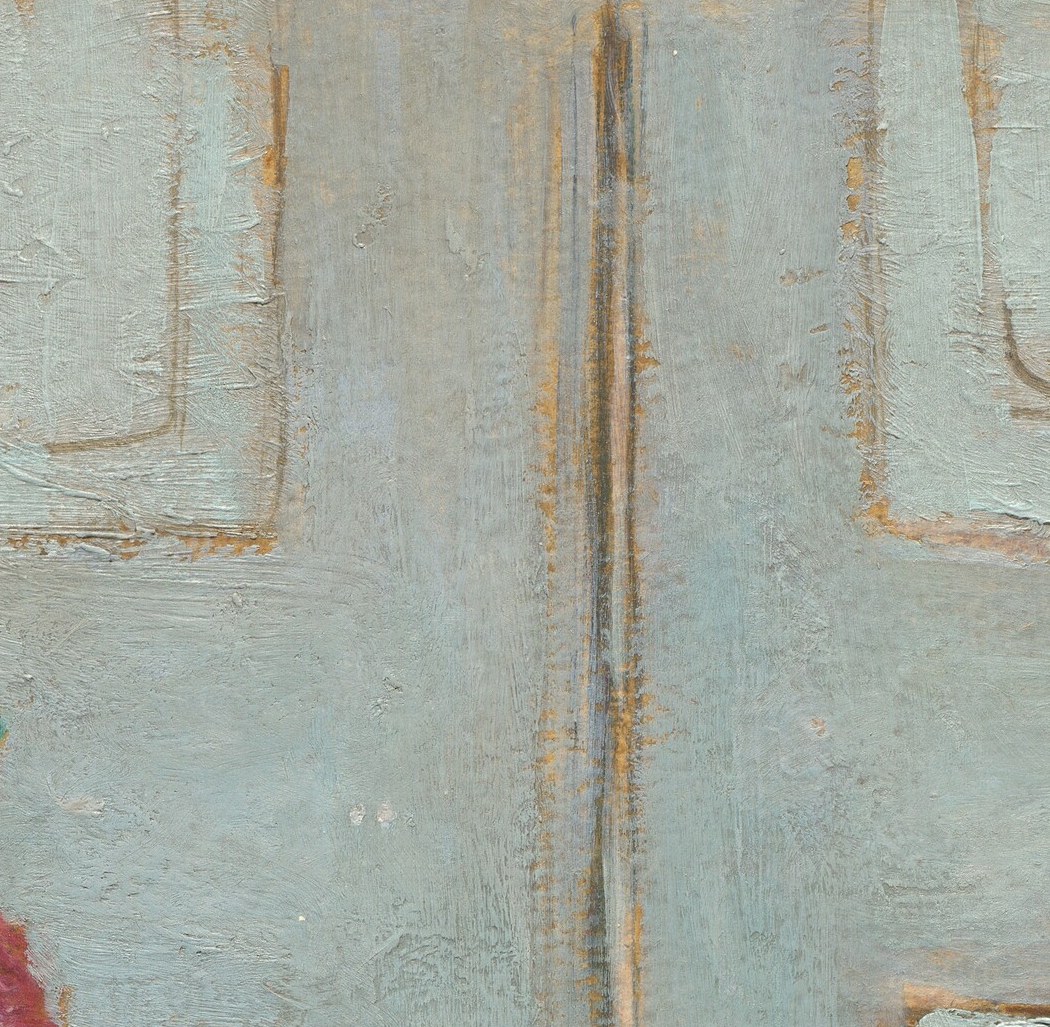
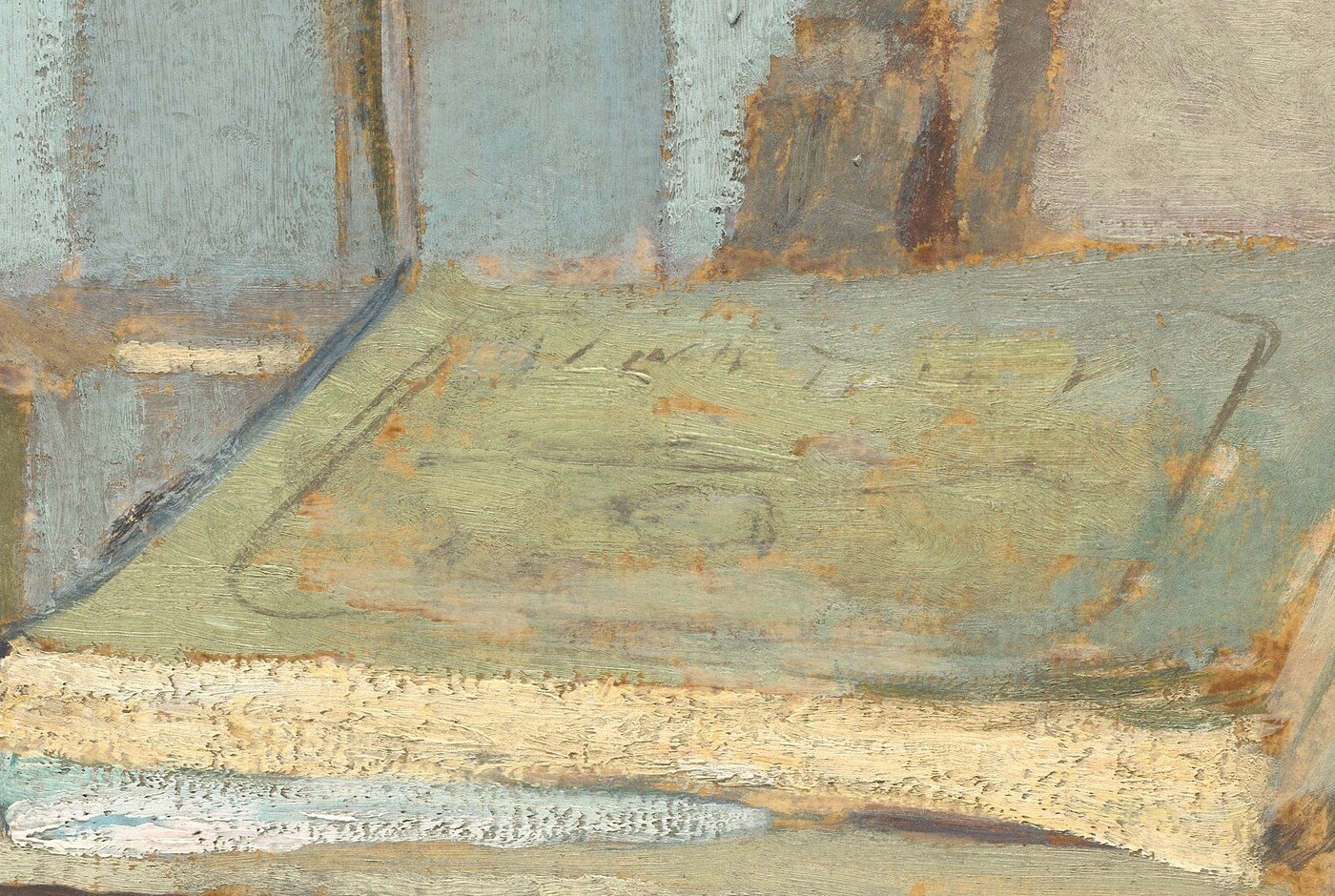
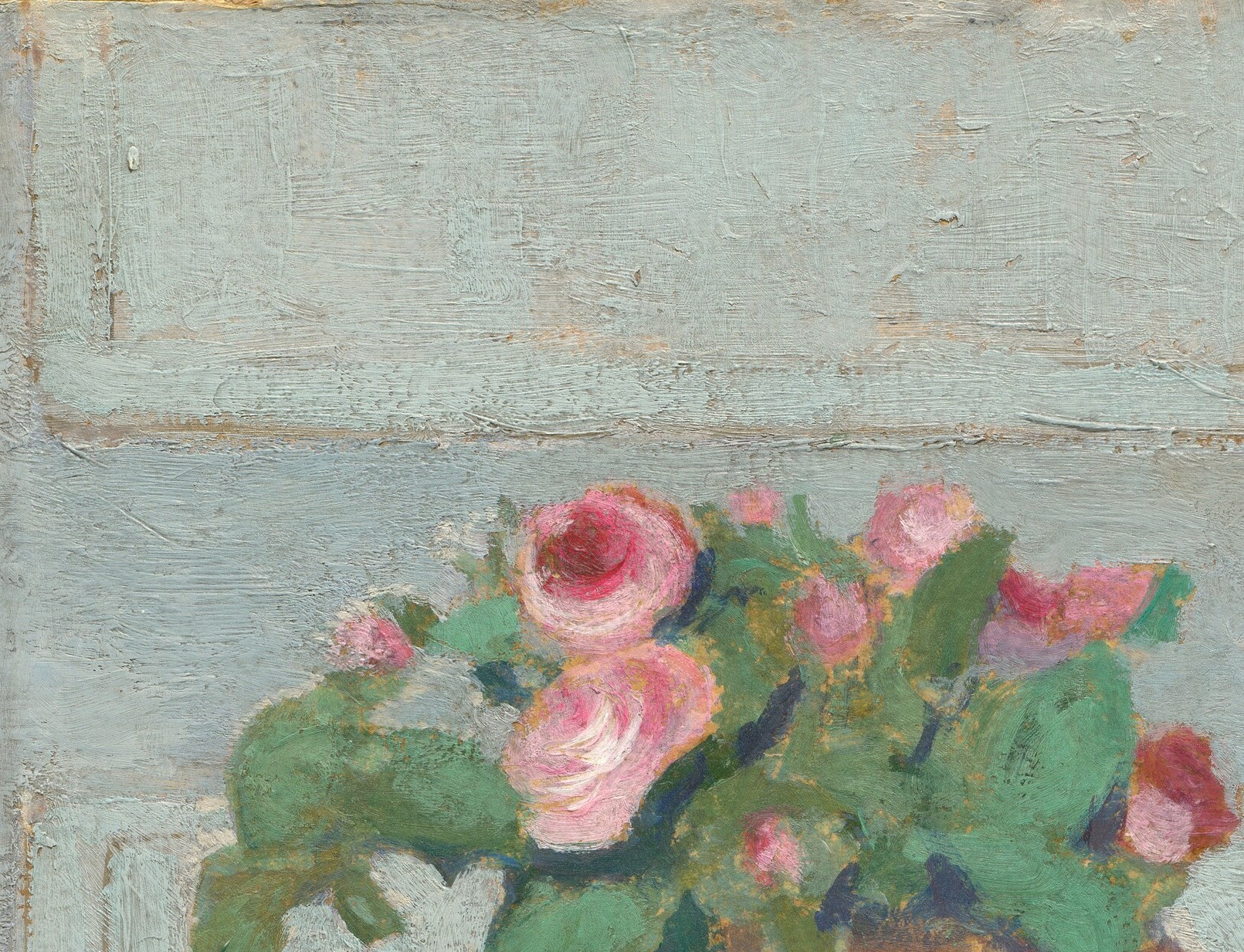
Look closely at the visible brushwork and the texture of the cardboard showing through the paint. This use of humble materials was characteristic of Vuillard's working method. The well-used sketchbook and simple paint box suggest a painter deeply engaged with his craft, while the delicate moss roses bring the natural world into this personal space.
This still life is more than just an arrangement of objects; it's a quiet portrait of an artist's life and a document of a pivotal moment in art history. What details do you notice first?
Details

Transcript
A working artist's table, Paris, 1898. This painter was a Nabis, part of an avant-garde group. They favored bold color and flattened perspectives. His painting support was often cardboard, not canvas. Here are his tools: a worn sketchbook. And his paint box, open, ready for work. The world outside, in moss roses, meets the world within.