Portrait of Charles Claude de Flahaut de La Billarderie (Comte d'Angiviller) by Jean-Baptiste Greuze
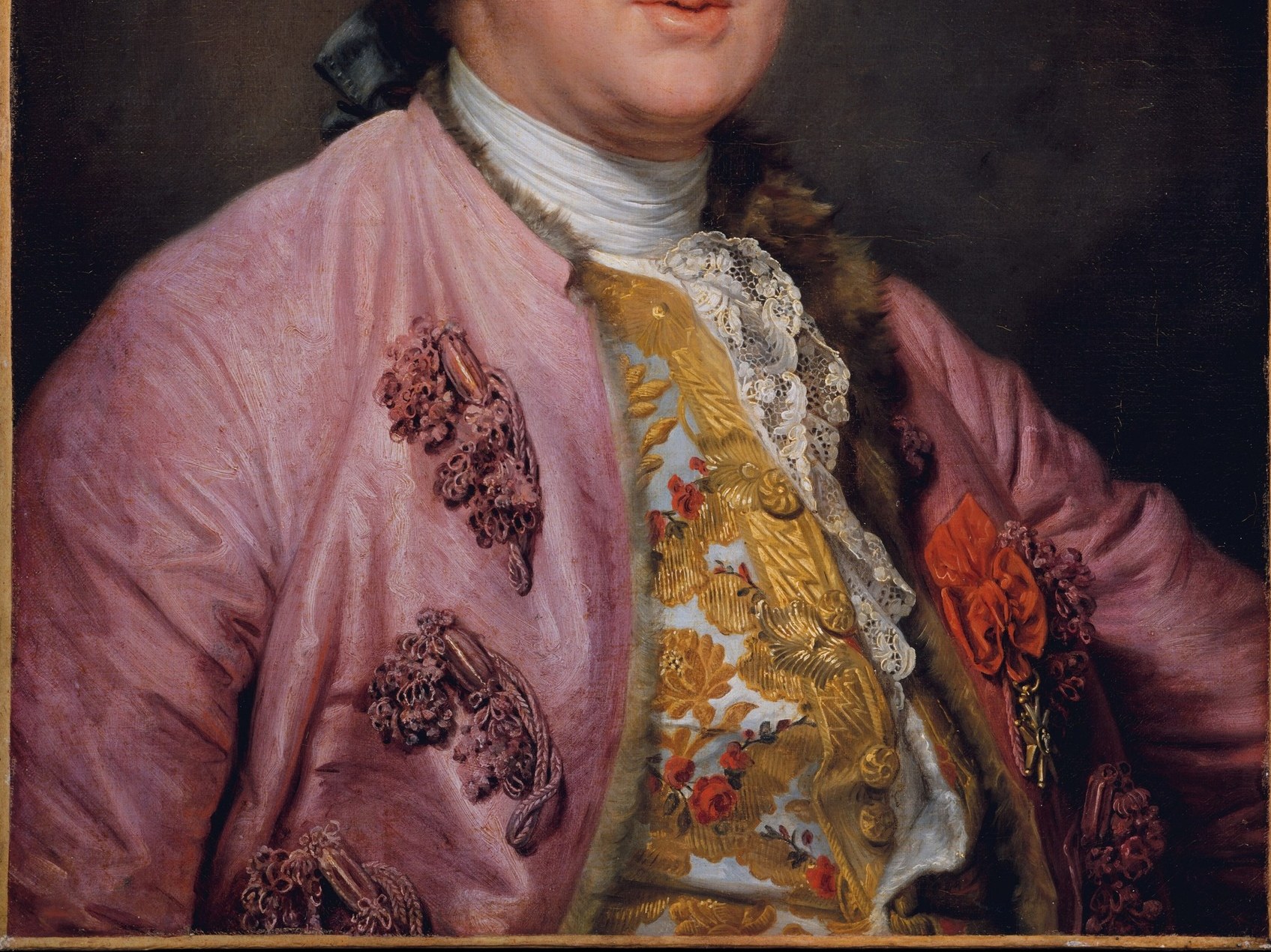
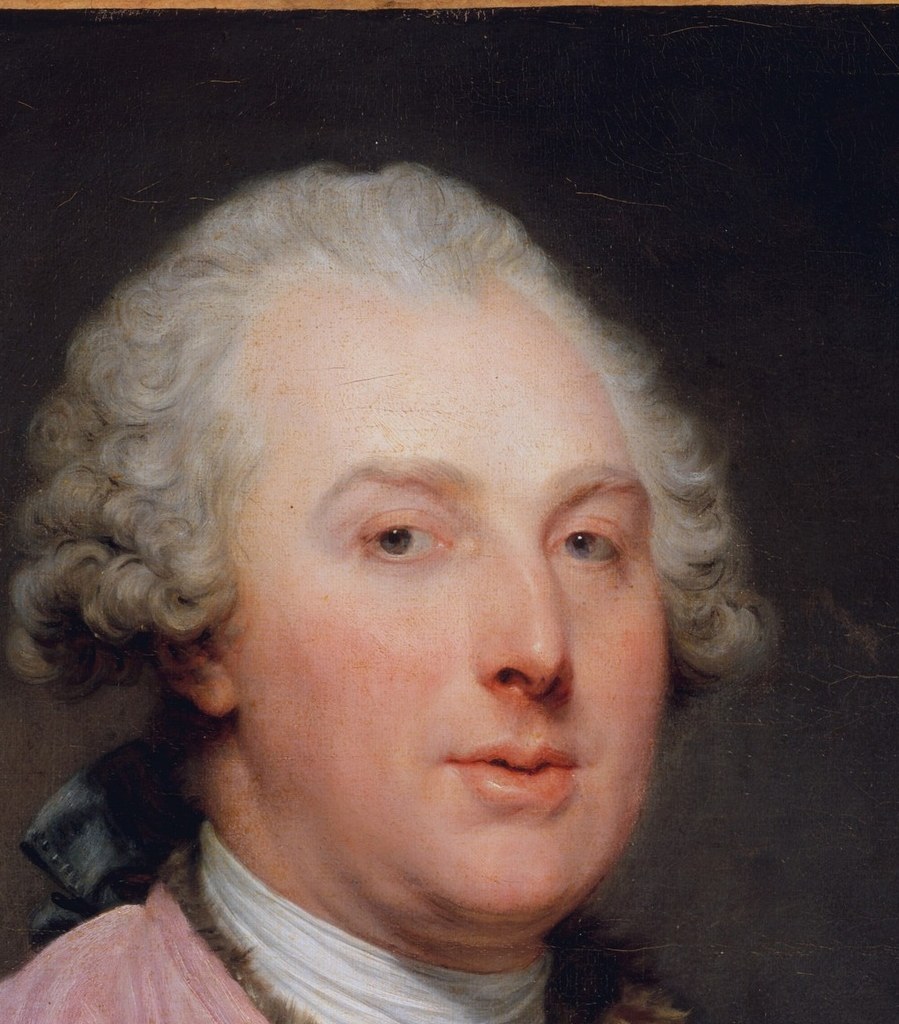
This is the Portrait of Charles Claude de Flahaut de La Billarderie, Comte d'Angiviller, painted by Jean-Baptiste Greuze in 1763. It hangs at The Metropolitan Museum of Art. The sitter commands the frame in an audaciously bright pink silk coat, but the real story is in his face. This is a rare record of a private triumph just beginning.
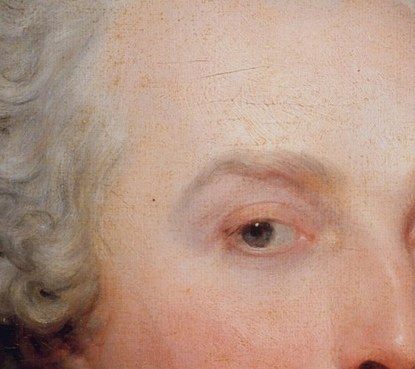
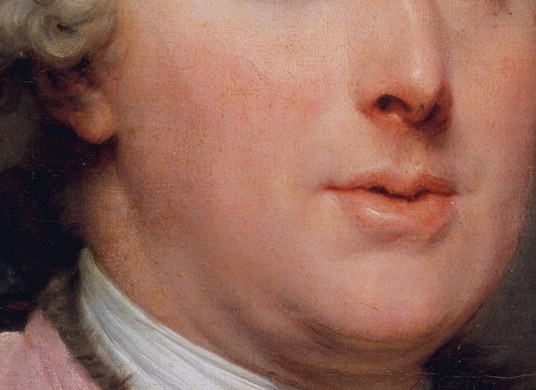
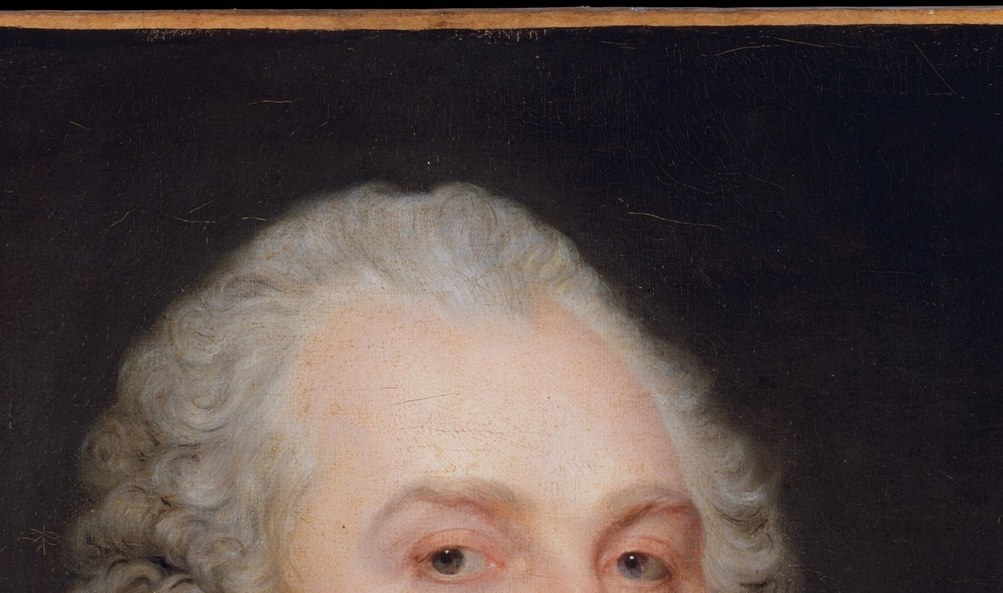
Look at his eyes. Greuze was celebrated for bringing the psychological liveliness of genre painting into formal portraiture, and here he captured more than a nobleman's rank. The direct, slightly amused gaze and the faint smile are not just Rococo charm. They are the expression of a 28-year-old man who had recently done something quietly radical: he married for love.
The Comte d'Angiviller wed Marie-Antoinette de Foudras in a secret ceremony shortly before this painting was made. The match was considered a misalliance by the French court, and the scandal swirled around the young couple. Rather than commission a portrait of stiff, imperious authority, he sat for one that radiates personal contentment. The sumptuous gold embroidery and immaculate lace are there, but they frame a face that refuses to apologize for its happiness.
He would go on to become the Directeur des Bâtiments du Roi, a powerful minister in charge of the royal collections and the future of French art. But here, in the warm brown-black void Greuze gave him, he is simply a man secured in a love that was worth the risk.
Details
Transcript
He wears the confident pink of the French Rococo. Look at his eyes. He was 28 and wildly in love. A month before this sitting, he married in secret. Her name was Marie. The court was scandalized. He stares down the gossip with a faint, knowing smile. The painter, Greuze, was famous for showing feeling on faces.