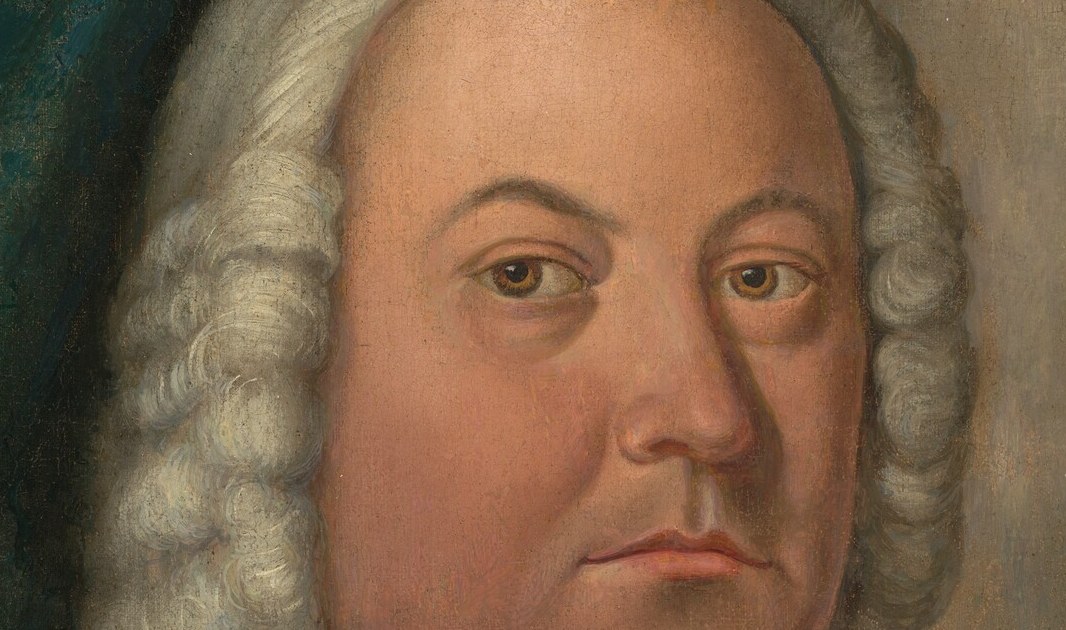
Dr. Samuel Boude by West, Benjamin
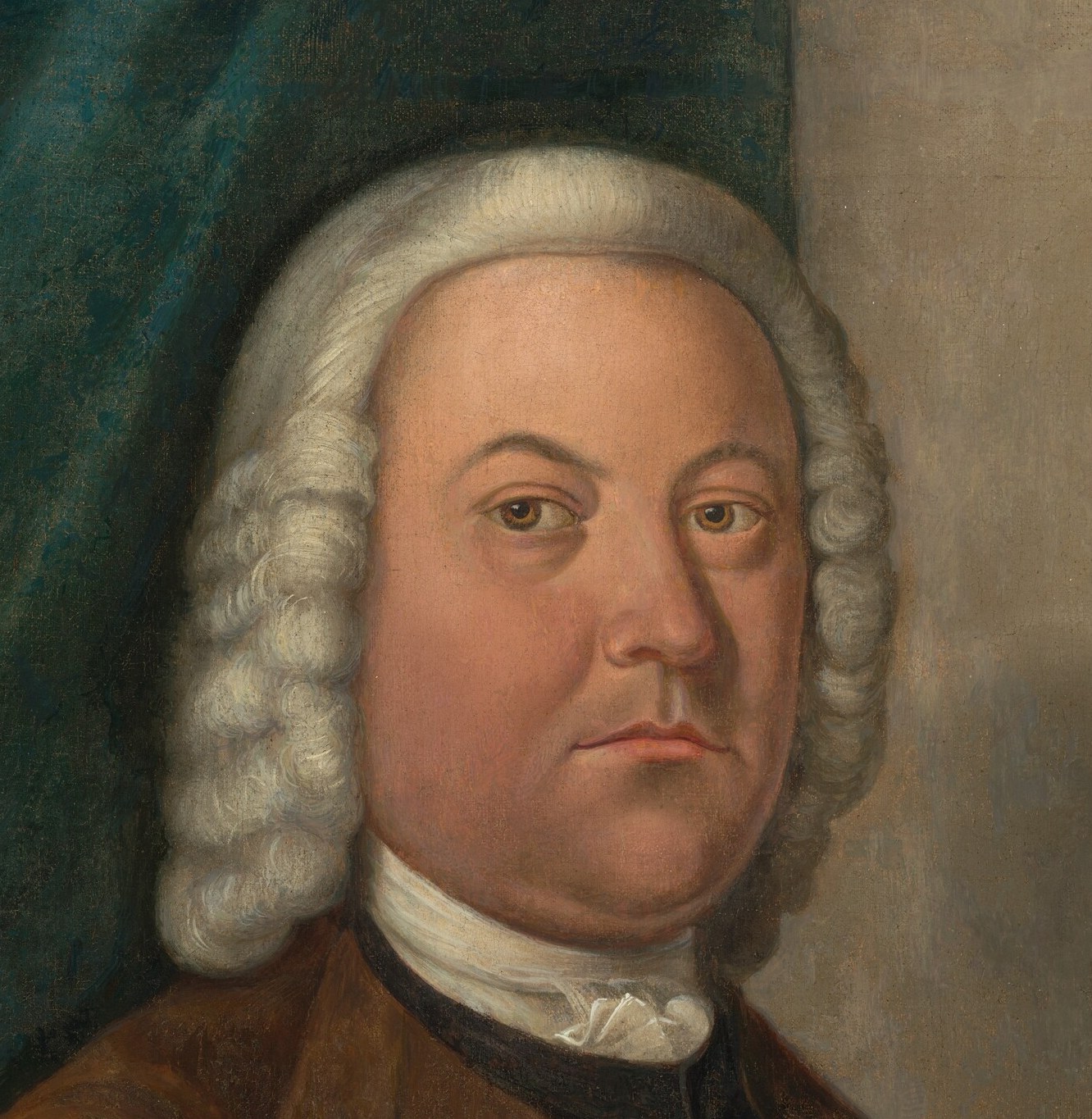
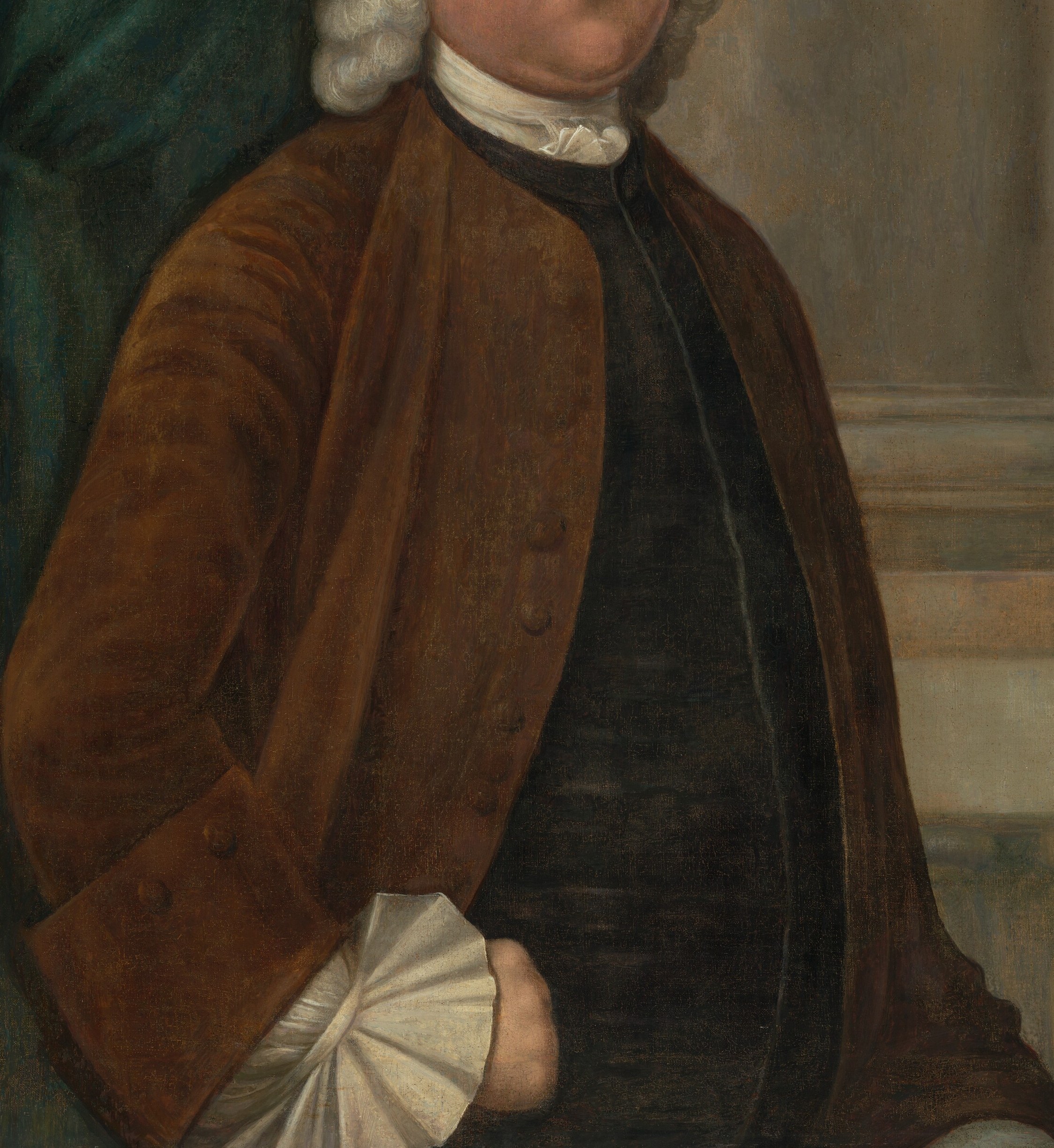
Benjamin West painted this portrait in 1756, when he was about seventeen. It shows Dr. Samuel Boude, a Philadelphia physician, looking out with a directness and gravity that most portraitists of the day reserved for older, more powerful subjects. West was a Quaker kid from Swarthmore, Pennsylvania, with almost no formal training. Yet already, in the weight of the brown wool coat and the bright flash of the cravat, he could command a room.
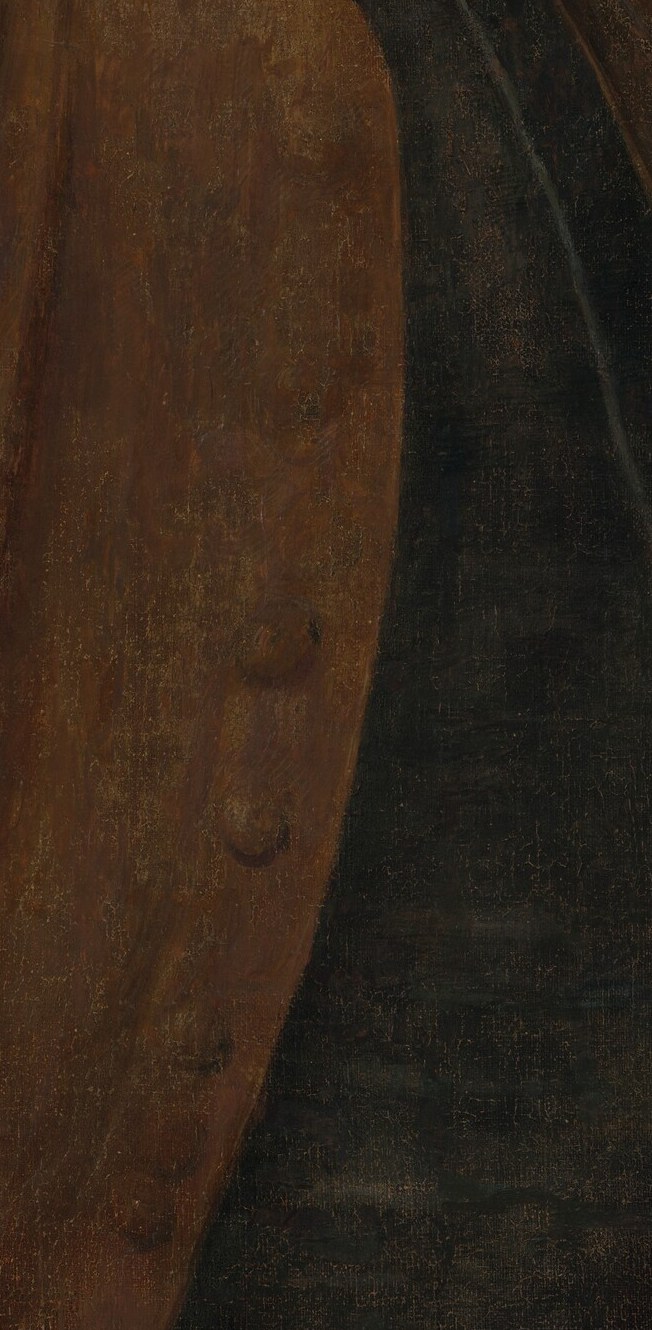
Look closely at the doctor's eyes. They engage you without warmth, the kind of appraisal a doctor gives a patient, not a friend. Then look at the buttons down the front of that coat. West renders each one with the precision of someone who has taught himself to see detail obsessively. The hands and the folded document mark Boude's profession, but the psychological weight is all in the face.
This quiet portrait belongs to the years before West became a sensation. He left Pennsylvania for Rome in 1760, and by 1763 he had settled in London, where he helped found the Royal Academy. The scandal came in 1771, when West unveiled *The Death of General Wolfe*. History painters were supposed to dress their figures in togas or armor, classical drag. West put Wolfe in contemporary uniform, a scarlet coat, and surrounded him with grieving men in their own real clothes. George III refused the painting at first. Sir Joshua Reynolds called it a mistake. West insisted truth was better than convention, and he was right. The painting changed history painting forever.
This portrait of Dr. Boude shows the origin of that instinct. West was already painting what he saw, not what tradition demanded. The calm doctor in his brown coat is the first draft of a revolutionary.
Details
Transcript
The painter of this portrait was 17 years old. Benjamin West, a Quaker boy from Pennsylvania, barely trained. Look at the fabric on the coat. At seventeen, West already understood how paint becomes wool. But he didn't stay a quiet Pennsylvania portraitist. He went to Rome, then London, and became a founding member of the Royal Academy. Then, in 1770, he painted a general's death with radical realism. The contemporary dress and raw emotion broke every rule. The king refused to buy it.