Marriage of Alexander the Great, King of Macedonia, with Roxana of Bacteriane by Gerard Hoet
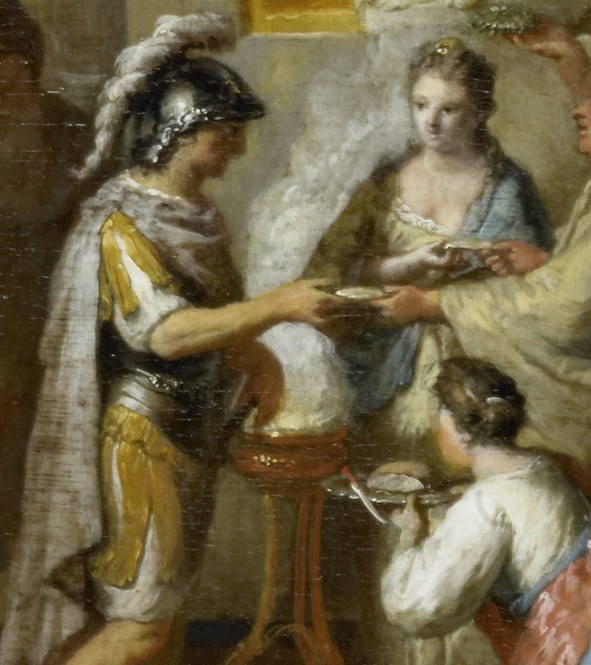
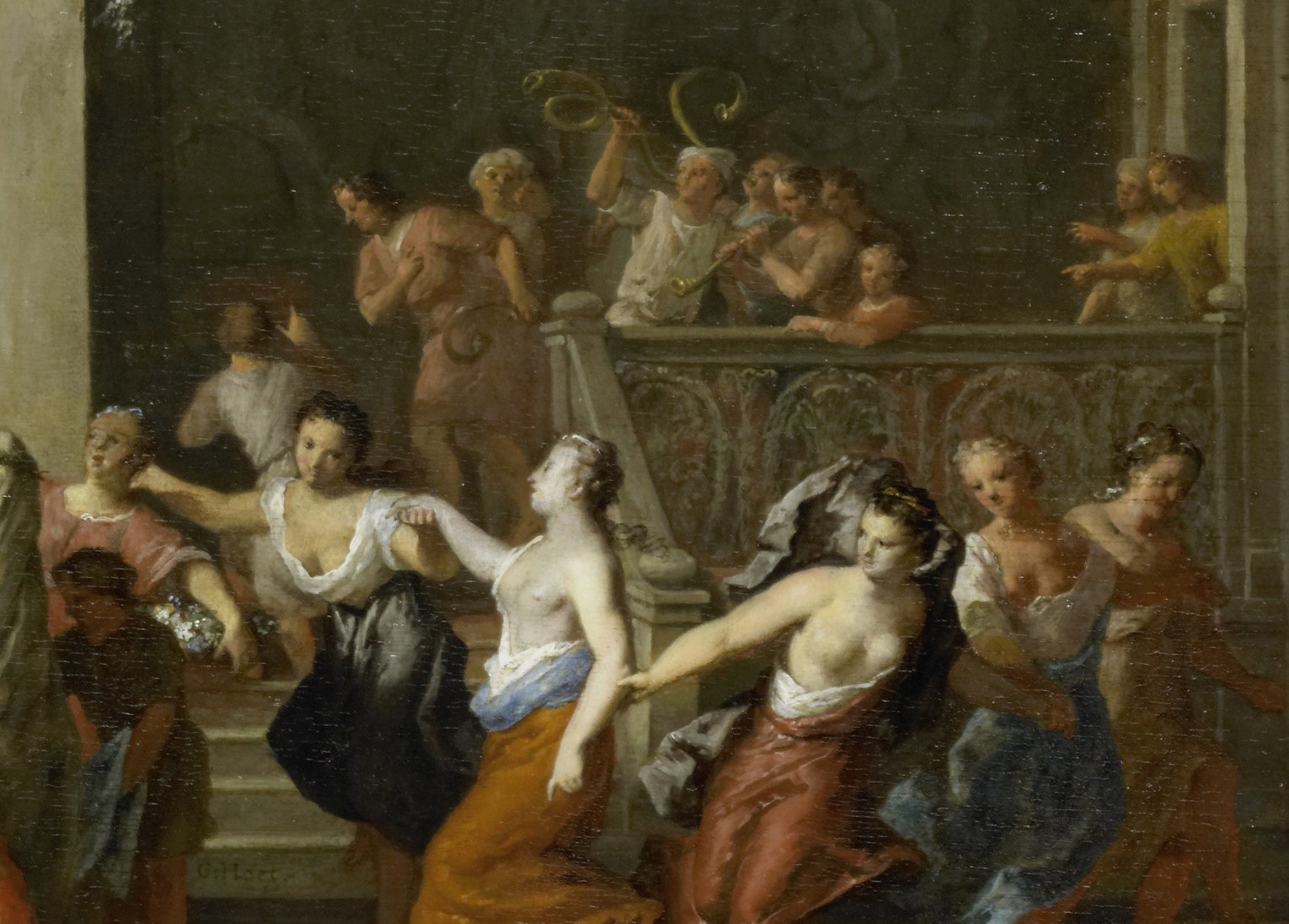
Gerard Hoet's "Marriage of Alexander the Great, King of Macedonia, with Roxana of Bacteriane," painted in 1701, captures a pivotal moment in ancient history and a striking human story. Now housed at the Rijksmuseum, it depicts the union of the formidable Macedonian king and his Bactrian bride.
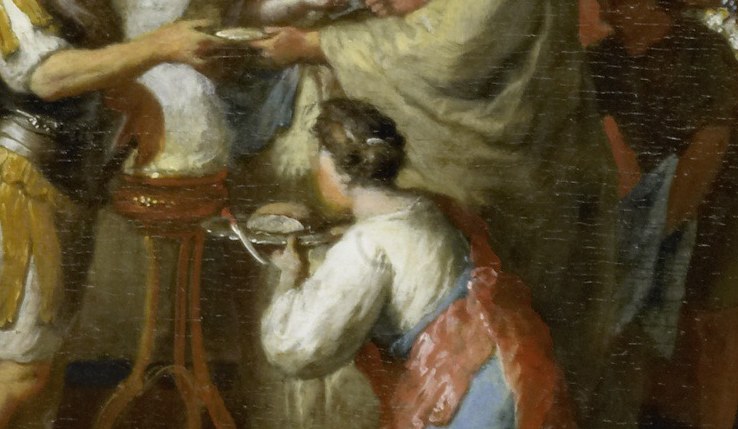
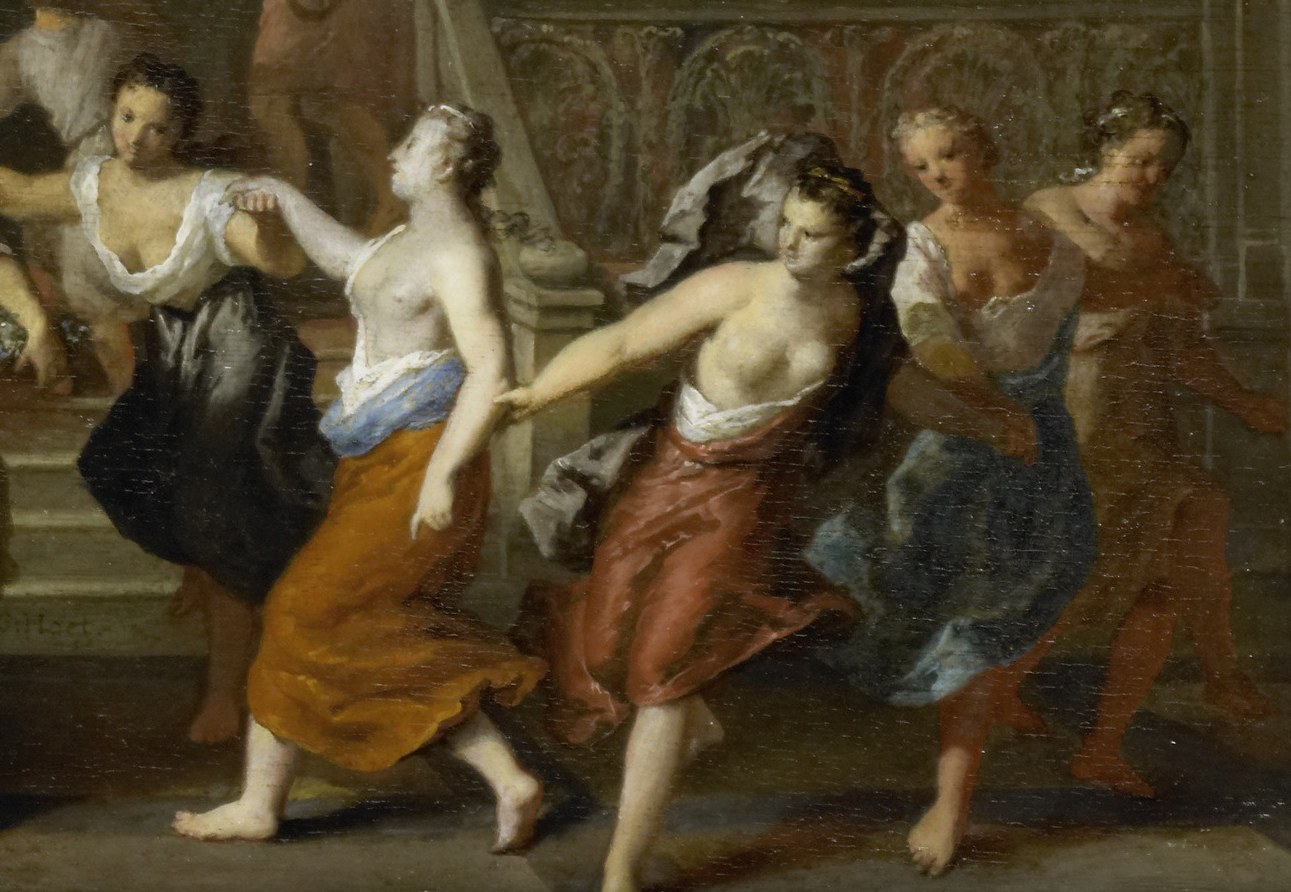
Look closely at the central figures of Alexander and Roxana. Their expressions convey a blend of ceremony and personal significance, surrounded by a lively crowd. The dancing women and musicians add to the festive atmosphere, underscoring themes of alliance and cultural integration.
Historically, this marriage was more than a personal event; it was a strategic move to solidify Alexander's vast empire, blending Macedonian and Persian cultures. Hoet's choice to focus on the celebration rather than military triumph highlights the era's interest in portraying moral and civic virtues through historical episodes.
What emotions do you sense in this grand, historical depiction of power and love?
Details
Transcript
A king, a conqueror, and his unexpected bride. This painting from 1701 shows Alexander the Great's wedding. Roxana was a Bactrian princess, a political match. Their union aimed to bridge cultures and secure an empire. But the crowd celebrates with music and dance. A moment of alliance, joy, and strategic power.