Roundel with Martyrdom of Saint Jacobus Intercisus by http://www.wikidata.org/.well-known/genid/84ebe330e39284104e5d9c8315920a88
This striking artwork, the 'Roundel with Martyrdom of Saint Jacobus Intercisus' by the Circle of Rogier van der Weyden (c. 1520), depicts a brutal scene of religious persecution. It is currently housed in the Metropolitan Museum of Art.
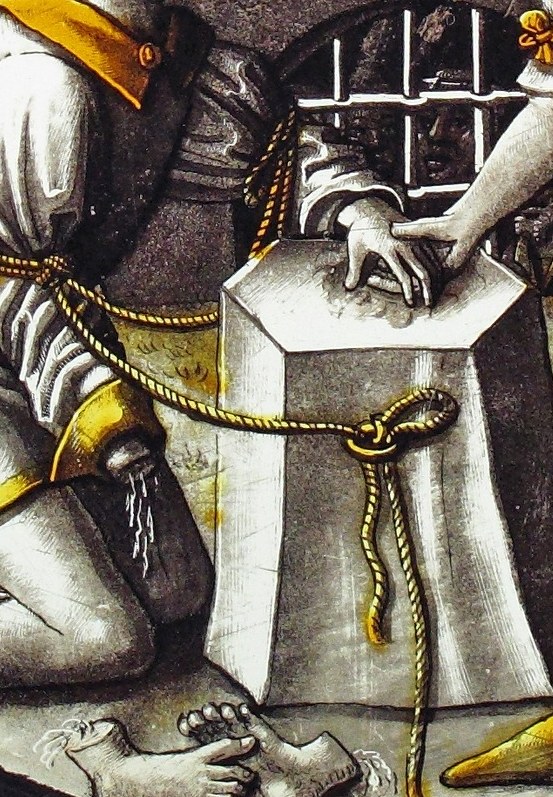
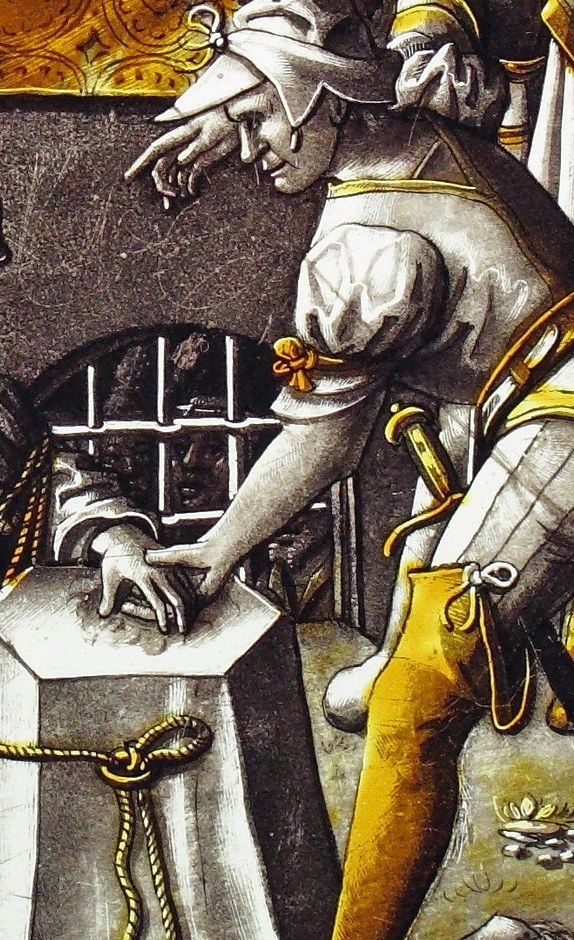
At its center, Saint Jacobus Intercisus, also known as James the Mutilated, is shown bound and suffering. His severed hands, a gruesome but significant detail, highlight the extreme torture he endured and his ultimate sacrifice. The artist's use of a somber palette underscores the gravity of the subject matter.
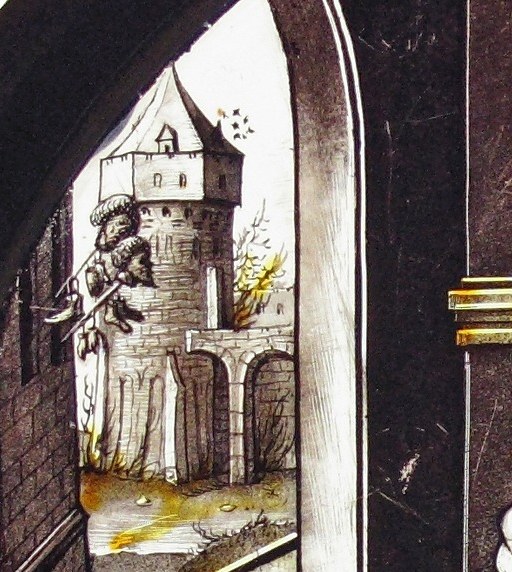
Beyond the immediate violence, the painting contains symbolic elements. The distant castle represents the temporal power that condemned the saint, while the soldier's sword symbolizes the instruments of earthly judgment. These details provide context to the narrative of faith in the face of tyranny.
The artwork serves as a powerful reminder of enduring faith and the stark realities of historical religious martyrdom.
Details
Transcript
This roundel shows a gruesome martyrdom. The saint, Jacobus Intercisus, endured extreme torture. His name, 'Intercisus,' means 'mutilated.' His severed hands are a powerful symbol of his sacrifice. The distant castle represents worldly power and persecution. And the soldier's sword, the instrument of earthly judgment. Together, they tell a story of unwavering faith against tyranny.