Waterloo Bridge, London, at Dusk by Monet, Claude
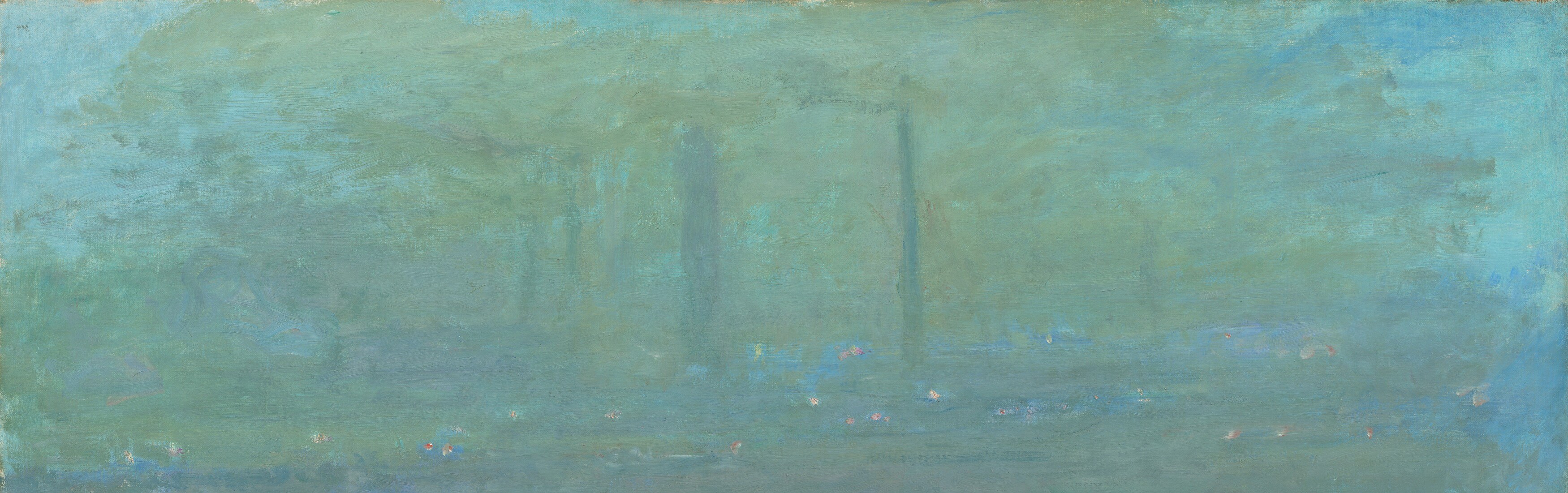
Claude Monet's "Waterloo Bridge, London, at Dusk," painted in 1904, is one of many in a series capturing London's iconic landmarks and its distinctive, atmospheric conditions. Now housed at the Art Institute of Chicago, this work showcases Monet's fascination with light and weather.
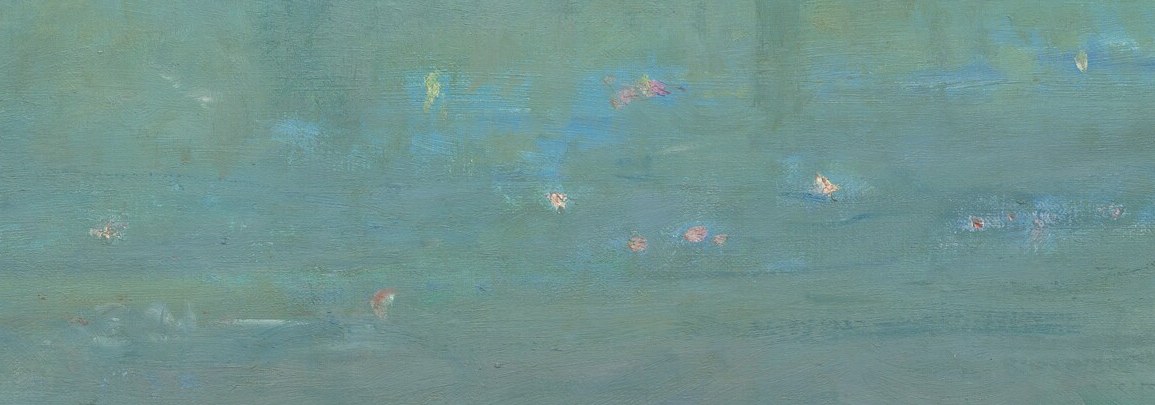
Observe how the brushstrokes in the water and the faint distant lights suggest movement and the ephemeral nature of the scene, while the bridge itself nearly dissolves into the prevalent fog. This isn't just a depiction of a bridge; it's a study in how light, air, and urban structure interact.
Monet's visits to London in the early 1900s inspired him to paint the city's fog-laden river and bridges repeatedly, exploring how different times of day and weather conditions transformed the same view. He pursued this 'serial method' throughout his career, famously with haystacks and Rouen Cathedral.
His dedication to capturing fleeting moments makes this painting feel both specific to its time and universally evocative of a hazy evening.
Details


Transcript
In 1904, this painter visited London often. He was captivated by the city's unique fog and light. This is Waterloo Bridge at dusk, nearly dissolving into the haze. He would paint this same view dozens of times. Capturing the changing light and atmosphere in each one. The energetic brushstrokes reveal the moving water and distant lights.