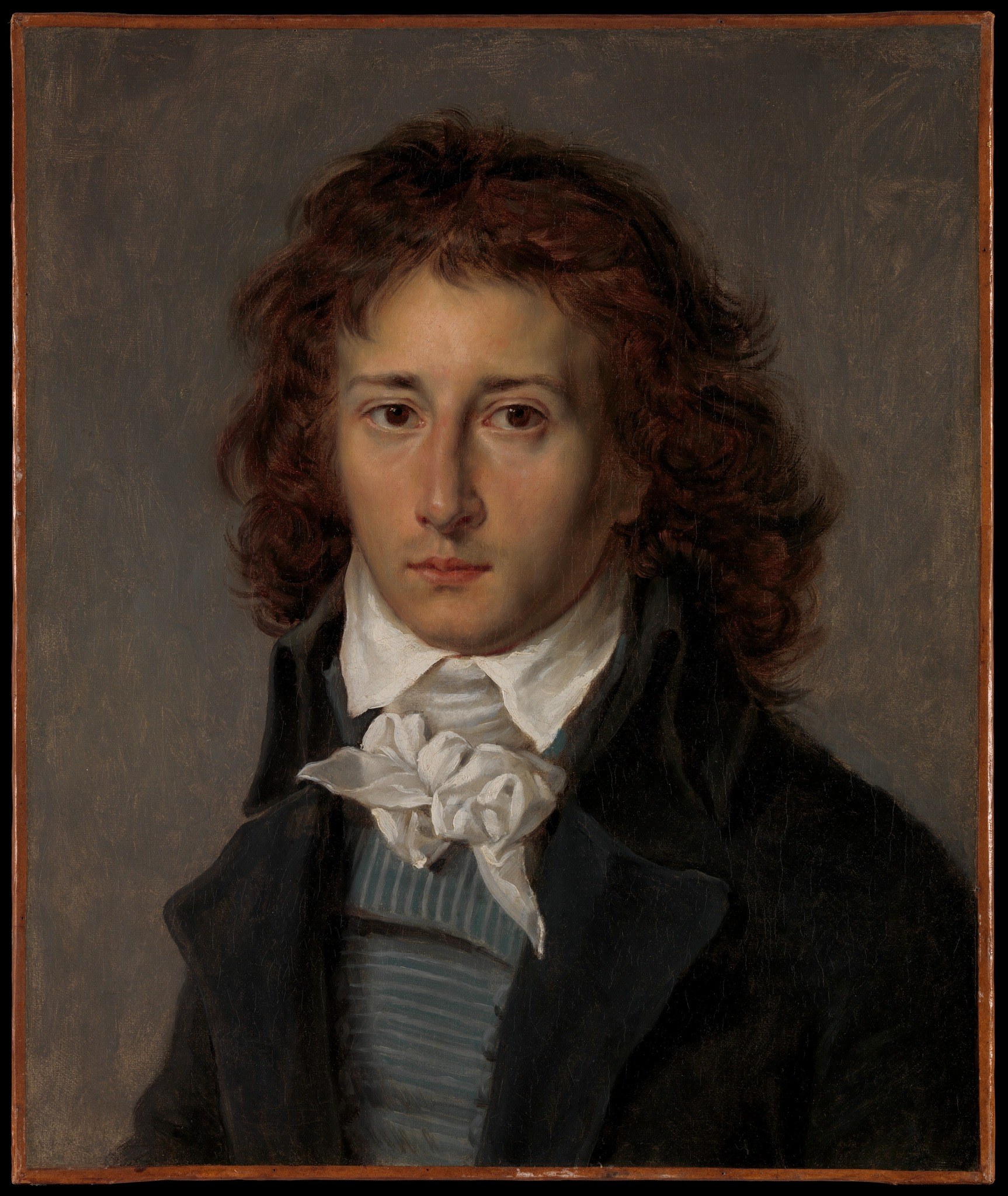
François Gérard (1770–1837), later Baron Gérard by Antoine-Jean Gros
This striking self-portrait by French artist François Gérard, painted in 1796, was once mistakenly attributed to a different artist entirely. For a period, The Metropolitan Museum of Art, where it is now held, believed it was painted by Antoine-Jean Gros.
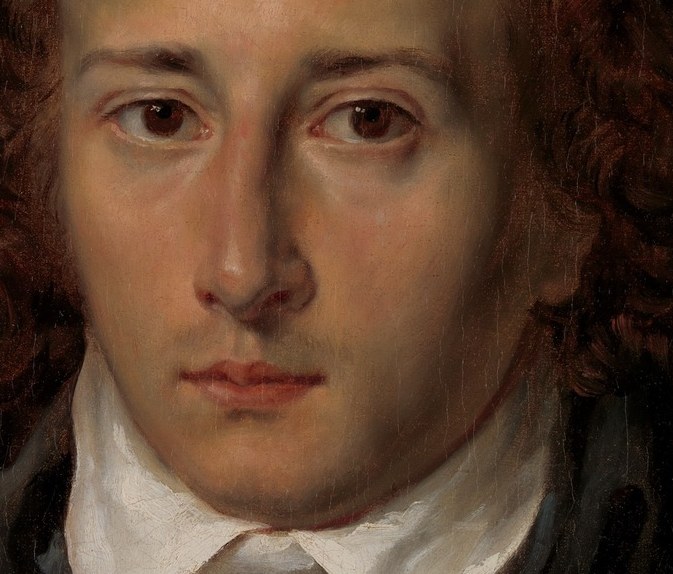
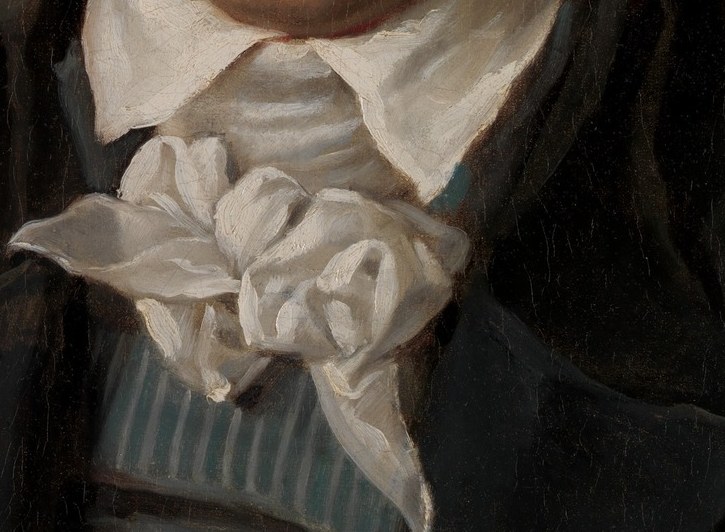
The painting depicts Gérard in his youth, with dark, curly hair, a white cravat, and a black jacket. His steady gaze and neutral expression convey a sense of calm. The visible brushstrokes, particularly on his cheek, hint at his developing style and reveal the hand of the true artist.
Gérard, a prominent Neoclassical portraitist, trained under Jacques-Louis David. This early work provides insight into his artistic journey before he was elevated to Baron under the Bourbon Restoration. The re-attribution highlights the ongoing work of art historians in verifying the authorship of artworks.
It makes you wonder how many other paintings might be silently awaiting their true artist.
Details
Transcript
This man is François Gérard, a famous portrait painter. This painting is his self-portrait, painted in 1796. But the Met museum once attributed it to a different artist. For years, it was thought to be by Antoine-Jean Gros. Look closely at the painterly brushstrokes on his cheek. They are typical of Gérard's early, more experimental style. It was only recently re-attributed to Gérard himself.