The Rapenburg in Leiden three Days after the Explosion of the Gunpowder-Ship on 12 January 1807 by Johannes Jelgerhuis
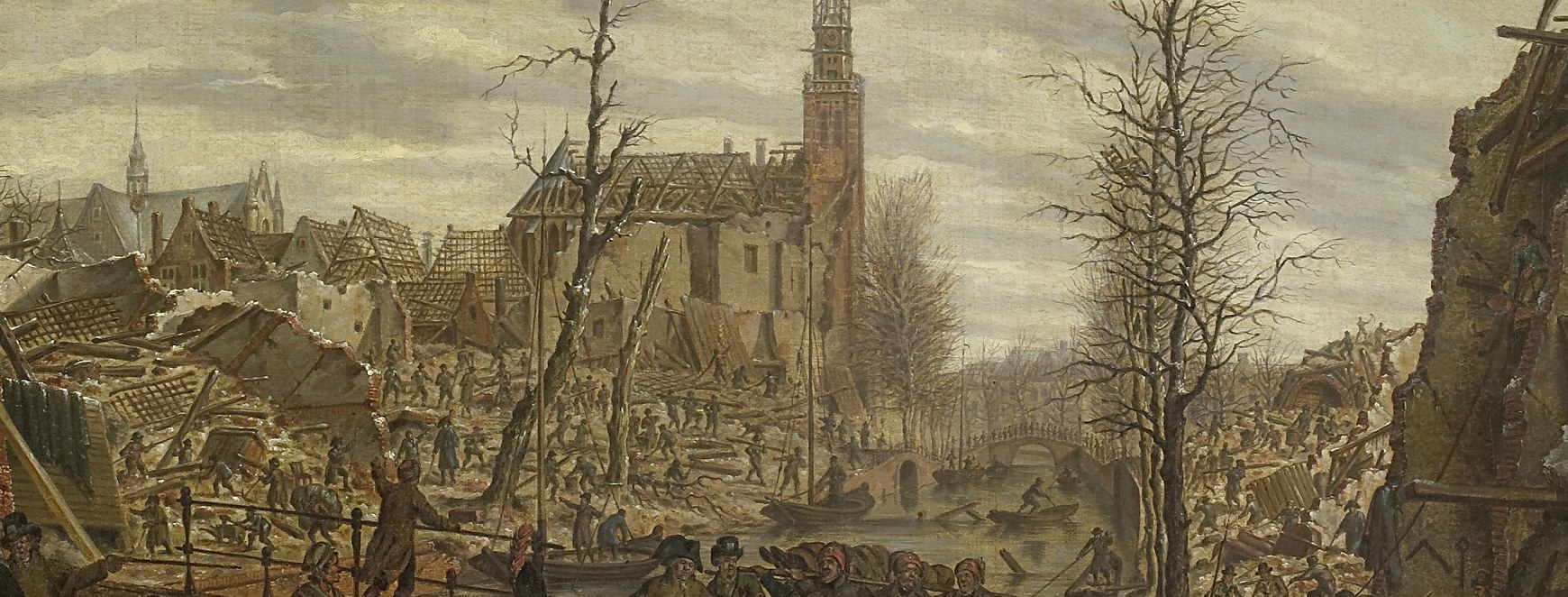
Johannes Jelgerhuis's "The Rapenburg in Leiden three Days after the Explosion of the Gunpowder-Ship on 12 January 1807" (1807, Rijksmuseum) captures the horrifying aftermath of one of the worst disasters in Dutch history. A ship carrying 37,000 pounds of gunpowder exploded in Leiden on January 12, 1807. This painting documents the widespread destruction.
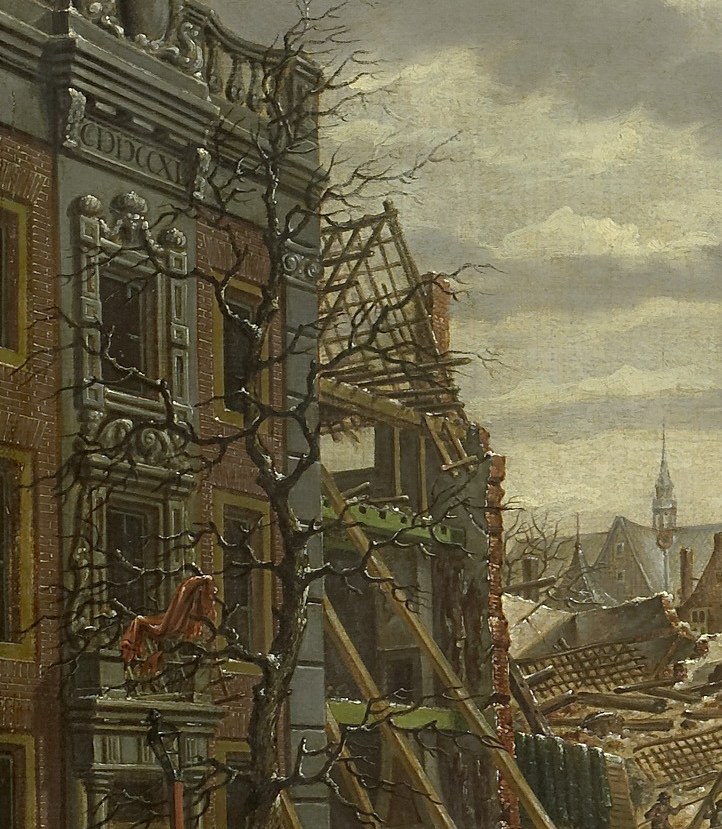
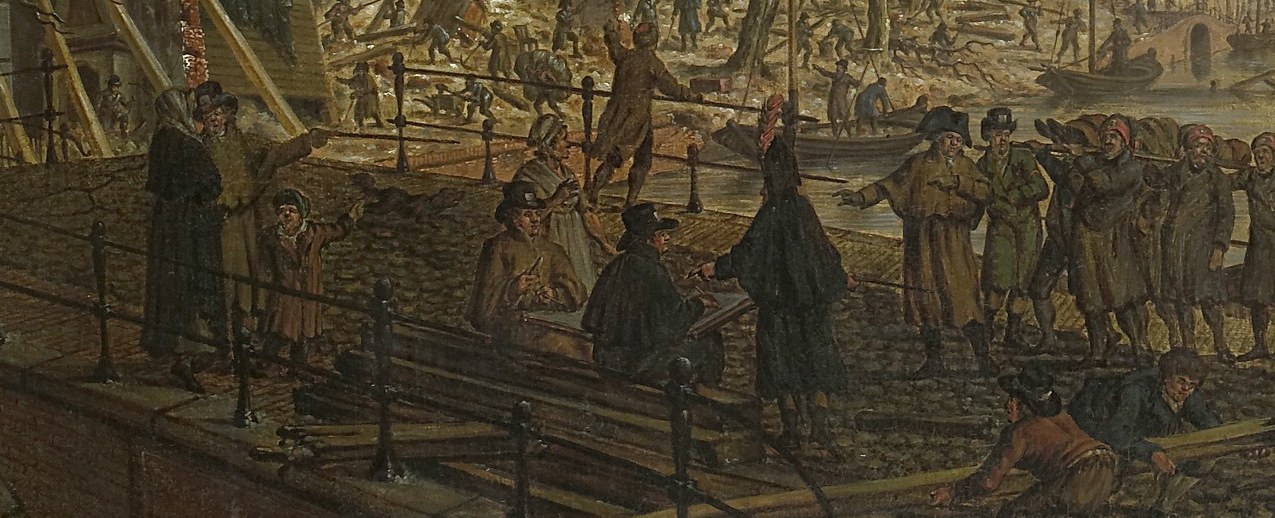
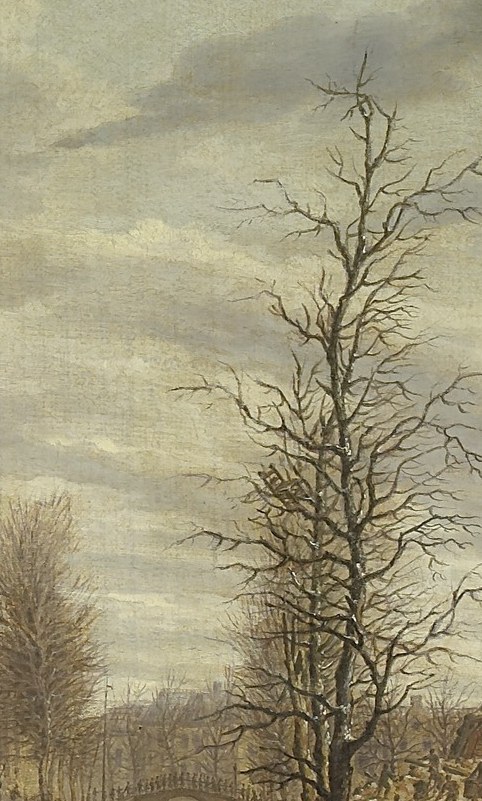
Look at the collapsed buildings on the left and right, testament to the blast's power. The canal is choked with debris, and the small figures on the bridge seem dwarfed by the devastation around them. Notice the stark, leafless tree in the mid-ground, a somber symbol of loss.
Artist Johannes Jelgerhuis, who was also a renowned actor, created this oil painting in the same year as the explosion. The incident killed 151 people and injured over 2,000, leveling more than 200 homes. King Louis Bonaparte visited the city to oversee relief efforts.
Jelgerhuis's work provides a powerful, immediate visual record of this tragic event.
Details
Transcript
On January 12, 1807, a ship carrying gunpowder exploded. Leiden lay in ruins three days later. The explosion obliterated over 200 homes. People survey the destruction. A stark tree stands like a skeleton. The painter was also a famous actor. King Louis Bonaparte himself oversaw relief. His quick painting captured a city's trauma.