The Kranenhoofd on the Schelde, Antwerp by Sebastiaen Vrancx
Sebastiaen Vrancx's "The Kranenhoofd on the Schelde, Antwerp," painted in 1622, captures a lively winter scene on the frozen Schelde river, now held at the Rijksmuseum.
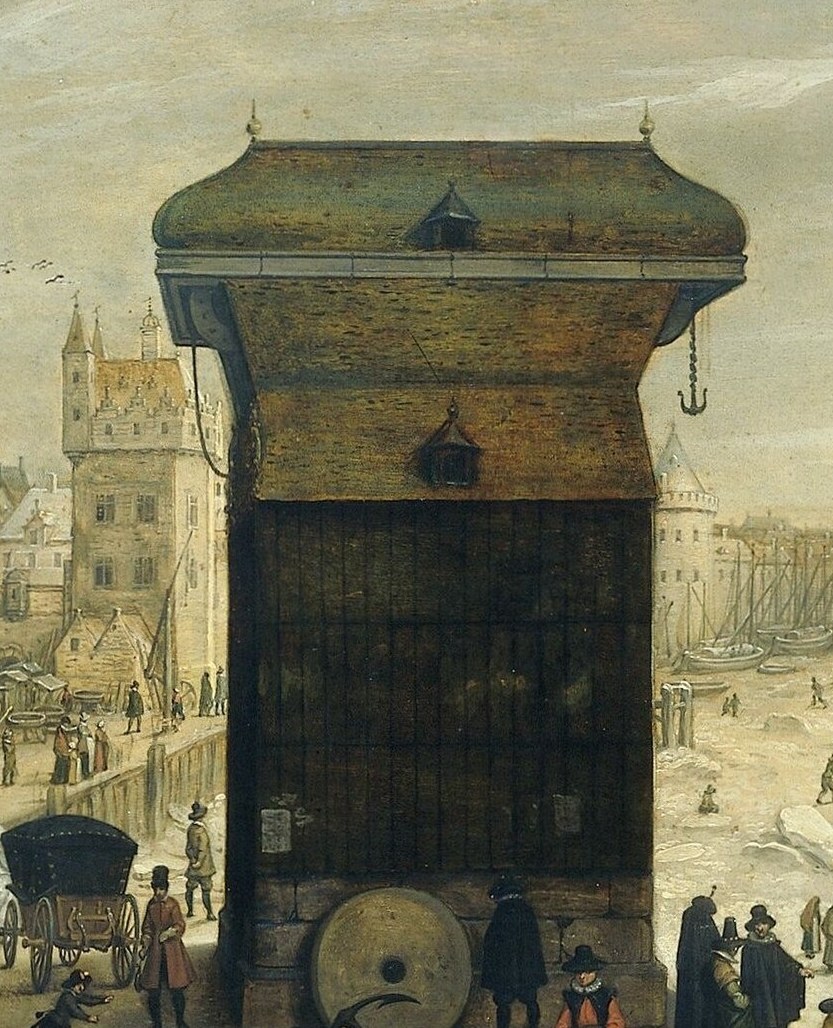
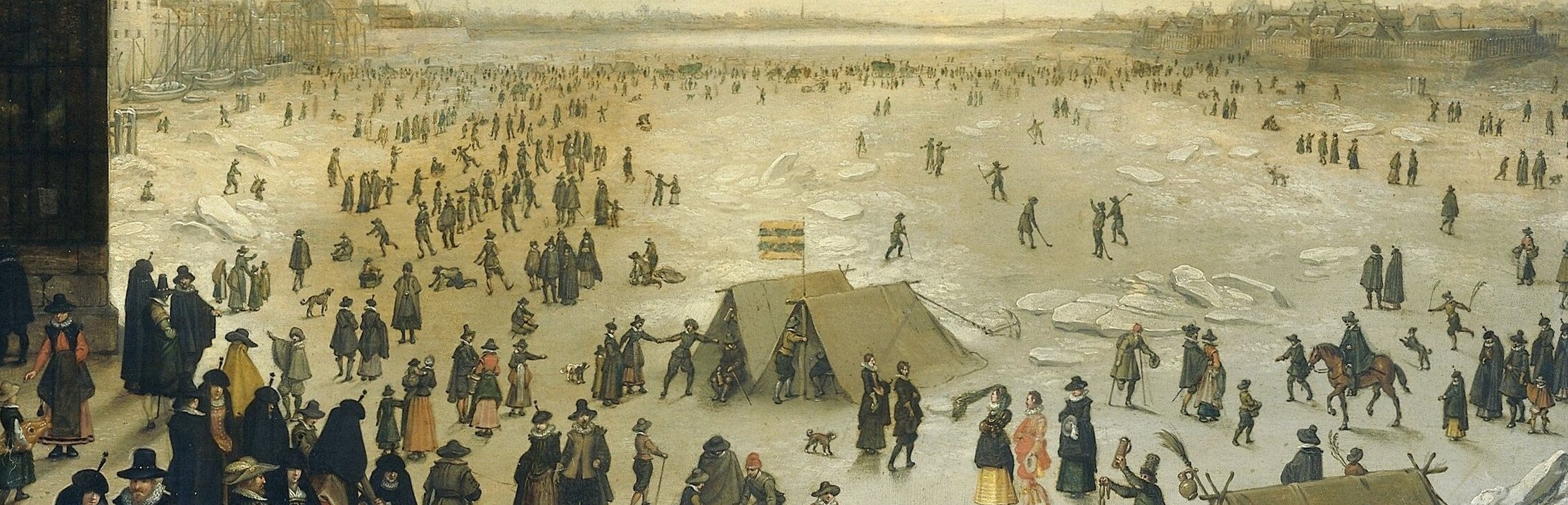
Even with the river frozen solid, the painting is filled with clues to Antwerp's identity as a major European port. Look for the large anchor resting on the ice, waiting for the spring thaw to return to its ship. The imposing central tower, known as the Kranenhoofd, housed a massive crane that unloaded goods from merchant vessels.
Vrancx, a Flemish Baroque artist, was known for his versatility, depicting everything from battle scenes to mythological narratives. His skill in capturing bustling urban life is evident here, as citizens enjoy ice skating and gathering amidst the city's vital maritime infrastructure.
This painting offers a fascinating glimpse into 17th-century Antwerp, a city whose pulse always beat with the rhythm of the river, frozen or not. What other details can you spot?
Details

Transcript
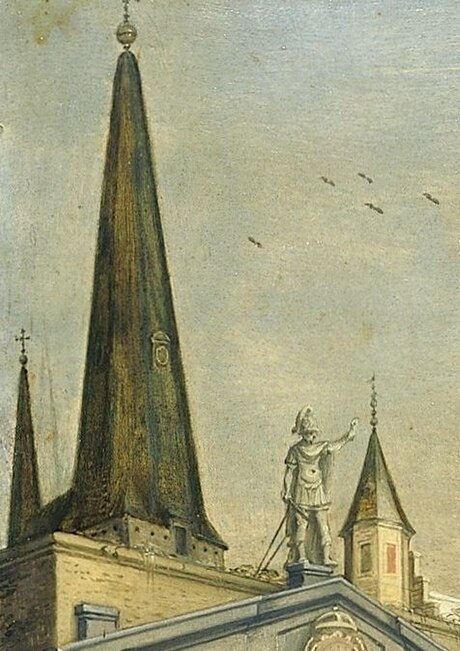
This painting shows a bustling city in 1622. It's Antwerp, a major port city on the Schelde river. On the ice, a massive anchor awaits the spring thaw. The Kranenhoofd, the main crane, once unloaded merchant ships here. The spire of the gatehouse welcomed ships entering the harbor. Even frozen, the city's identity as a port is clear.