Vase of Flowers by Jan Brueghel, the elder
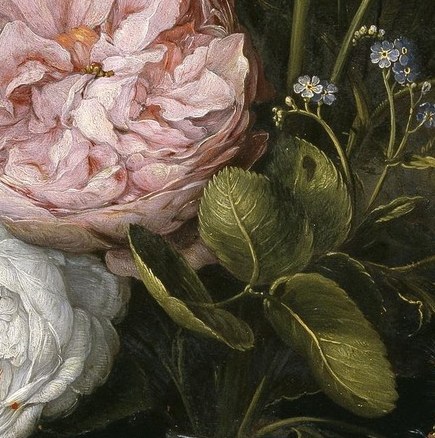
Jan Brueghel the Elder's 'Vase of Flowers', painted in 1601, is more than just a beautiful still life; it's a carefully coded message about life, wealth, and transience. This exquisite oil on panel, held at the Museo del Prado in Madrid, exemplifies the Flemish Baroque tradition of infusing everyday objects with deeper meaning.
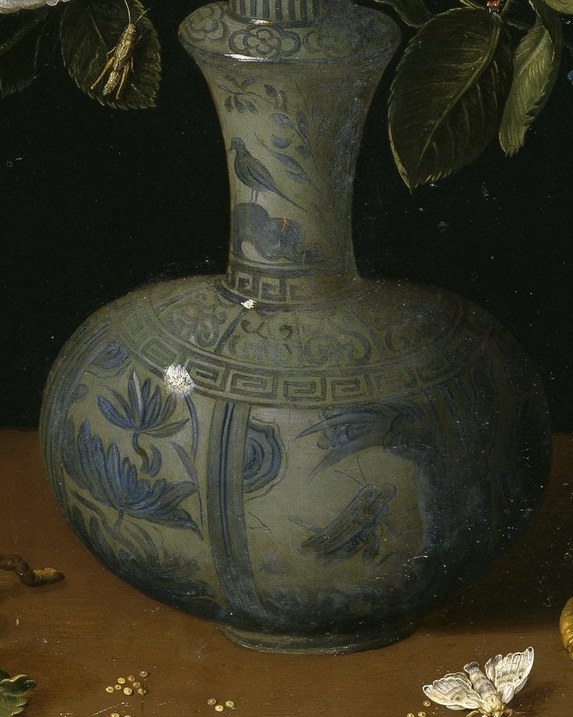
Look closely at the elements Brueghel chose. The intricate blue and white porcelain vase, a Kraak ware, was an expensive import from China, signifying the owner's wealth. The lush pears represent the bounty of the earth.
However, the delicate butterfly and the nocturnal moth introduce a counterpoint. These small creatures symbolize the fleeting nature of life and the inevitable passage of time. Brueghel, a master of botanical detail, often wove such symbolic narratives into his highly detailed still lifes.
This painting invites us to appreciate beauty while contemplating the ephemeral quality of existence. What other hidden messages do you think artists convey in their works?
Details
Transcript
This isn't just a bouquet, it's a message. The porcelain vase, imported from China, signaled great wealth. These yellow pears suggest earthly abundance. But the delicate butterfly reminds us of life's fleeting nature. And this moth, emerging at night, confirms time's passage. This painting is a coded reminder: all earthly things pass.