Saint Anthony of Padua by Maso di Banco
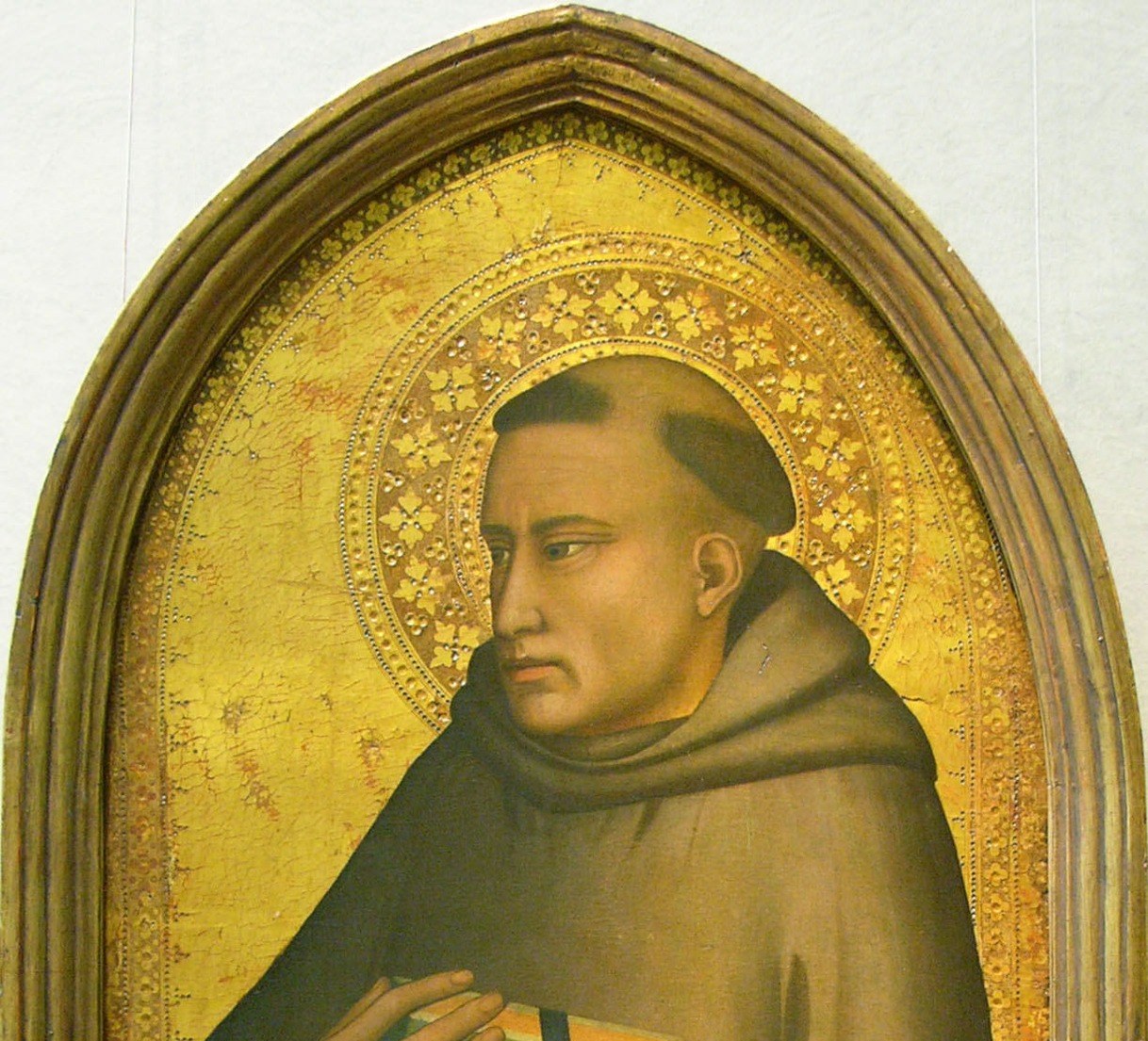
This is Maso di Banco's Saint Anthony of Padua, painted in tempera around 1340 and now in the permanent collection of The Metropolitan Museum of Art. Maso was one of Giotto's most prominent Florentine pupils, a lineage that practically guaranteed success. But the circumstances around this particular panel suggest the business of art in 14th-century Florence was as precarious as any other.
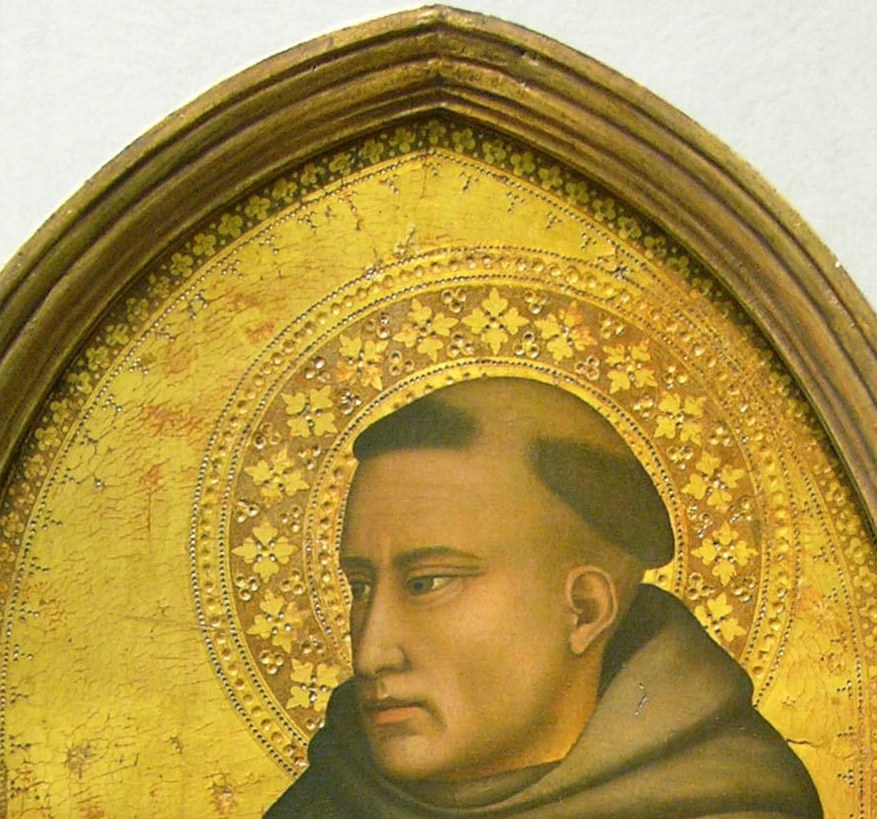
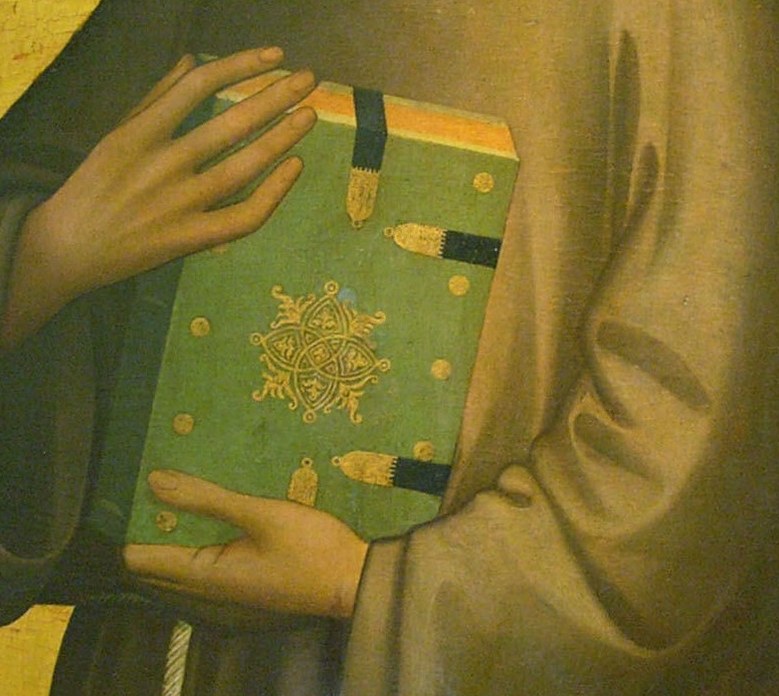
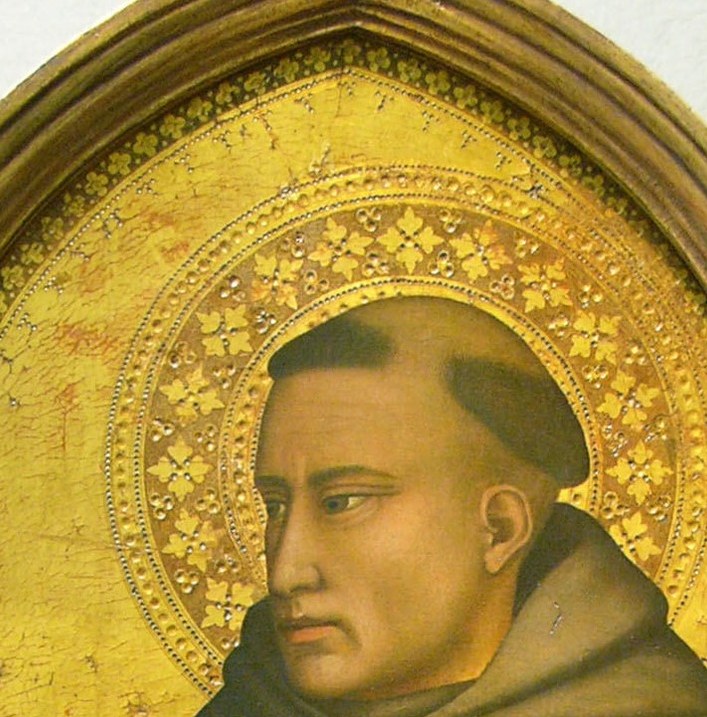
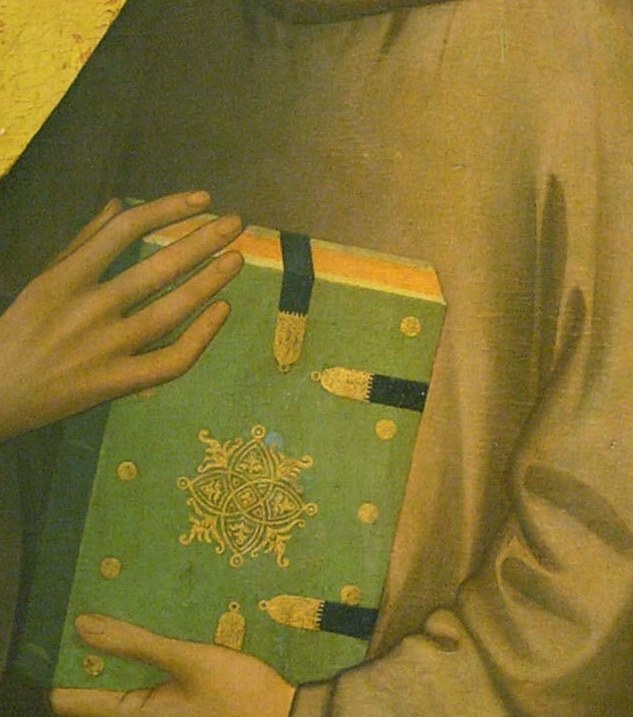
Look for the radiant, meticulously tooled gold halo. The stamped geometric border was not merely decorative. It was engineered to catch the flickering light of devotional candles, creating an optical shimmer that a flat gold ground could not achieve. Pair this with the green book cover and its tiny jewel-like gold clasps, and you see an artist trained to render luxury from egg tempera and gold leaf.
The painting's commission history is lost, but a 14th-century legal record states that Maso di Banco was forced to file suit against a patron for non-payment. Creating a panel like this required costly materials purchased up front. An artist might spend weeks burnishing gold and punching patterns, only to be left destitute if the client refused the final bill.
The figure's downcast eyes and reverent hands embody Franciscan humility, yet the exquisite craftsmanship speaks to a workshop fighting for its economic survival. Next time you see a halo like this, consider whether the painter was ever paid for making it.
Details
Transcript
Seen from a distance, this is a straightforward 14th-century saint. The gold ground places him in a timeless, sacred realm. Look closely at the patterned border on his halo. It was stamped with metal dies to catch the candlelight. His downcast eyes and cupped hands show tender devotion. But the painter, Maso, was never paid for this panel.