Portrait of a Man by Gustave Courbet
Gustave Courbet's Portrait of a Man, painted circa 1862 and now in the collection of The Metropolitan Museum of Art, exemplifies his commitment to Realism. Courbet famously declared he could only paint what he could see, rejecting Romantic ideals for unvarnished truth.
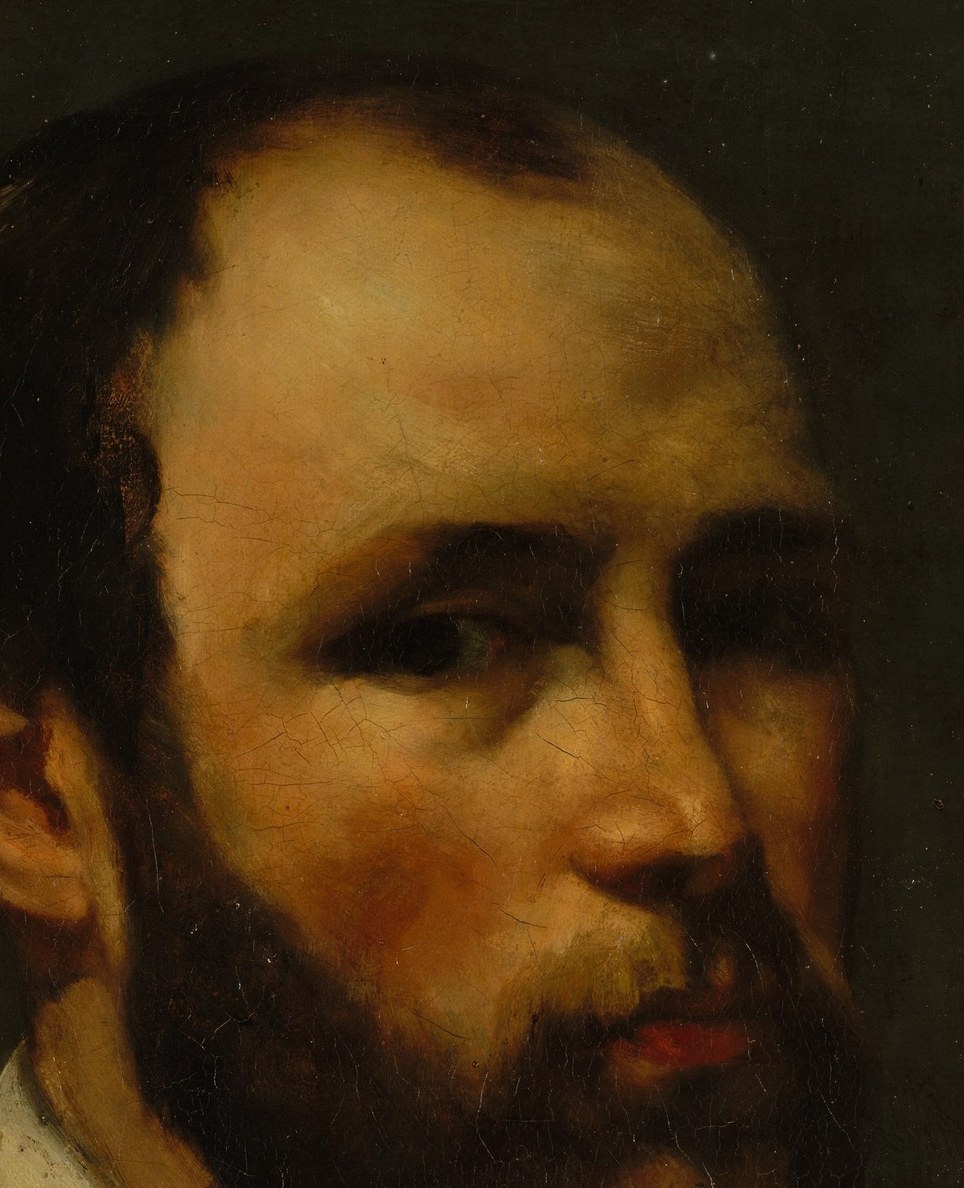
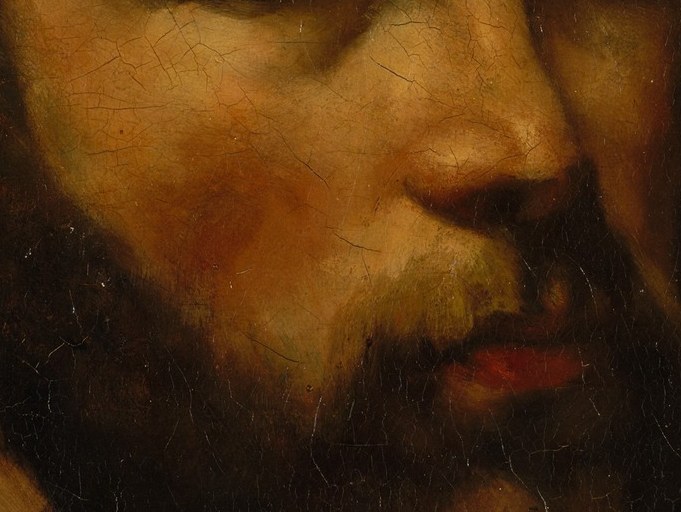
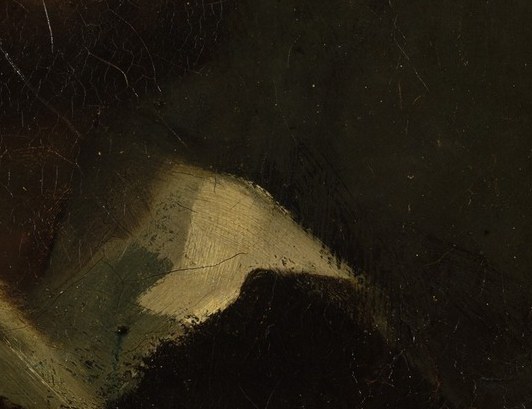
Focus on the subject's unembellished face and the textured application of paint in his beard. The crisp white collar starkly contrasts with the dark background and suit, drawing the viewer's eye directly to the man's features and his direct, contemplative gaze.
As a leader of the Realist movement, Courbet challenged academic conventions by depicting ordinary individuals with objective accuracy. This painting reflects his revolutionary approach, asserting the validity of capturing subjects precisely as they appeared, free from dramatic interpretation or idealization.
This raw honesty in representation was a hallmark of Courbet's influence on later generations of artists.
Details
Transcript
This is Gustave Courbet's Portrait of a Man. He painted it in 1862, rejecting idealized art. Look at the direct gaze of his face. His textured beard suggests a tactile quality. Courbet painted only what he could see. The crisp white collar draws attention to the face. This realism was revolutionary for its time.