Simon Hayem by Bastien-Lepage, Jules
Jules Bastien-Lepage painted "Simon Hayem" in 1875, and the portrait is a quiet manifesto for a new way of seeing. The artist was only 27, at the forefront of French Naturalism, a movement that argued painting should show life as it actually looked, not as the academy idealized it.
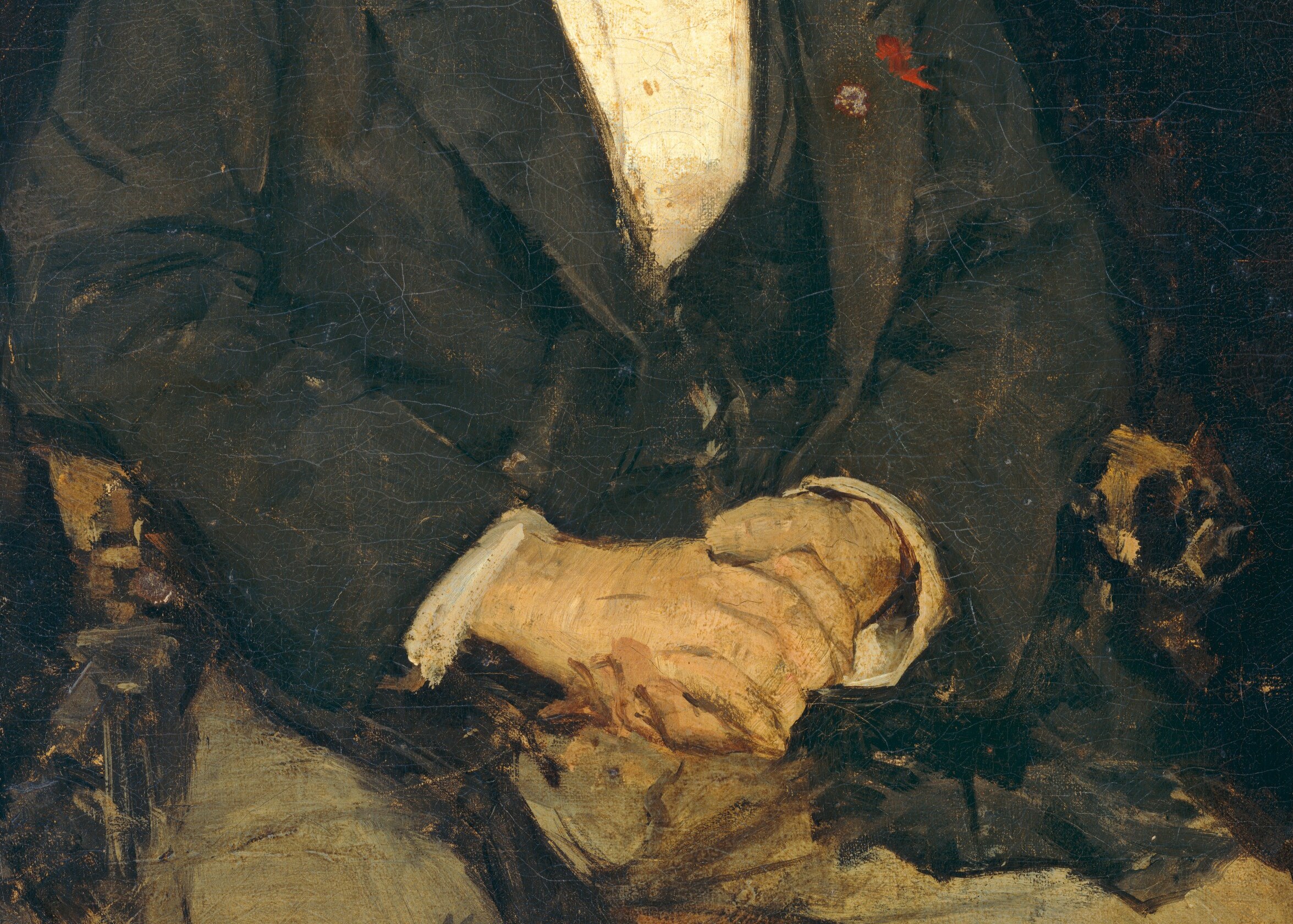
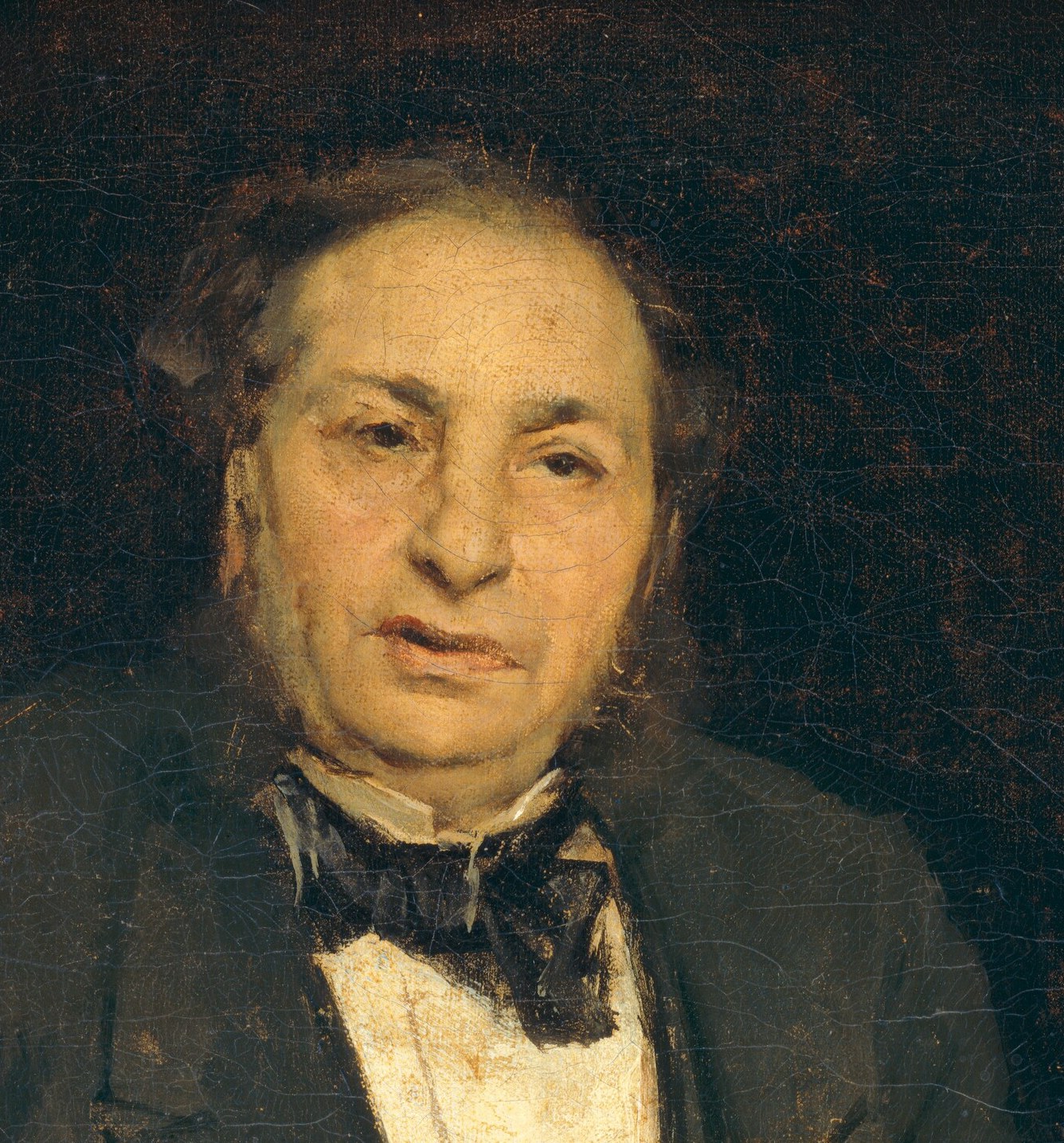
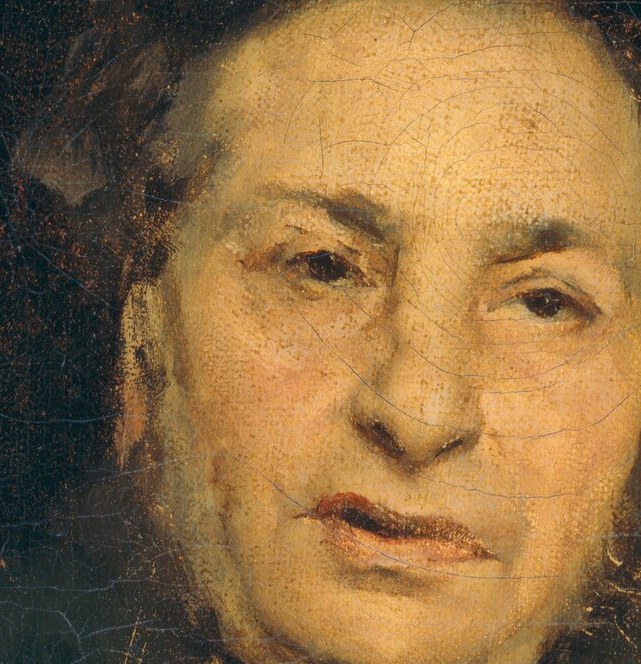
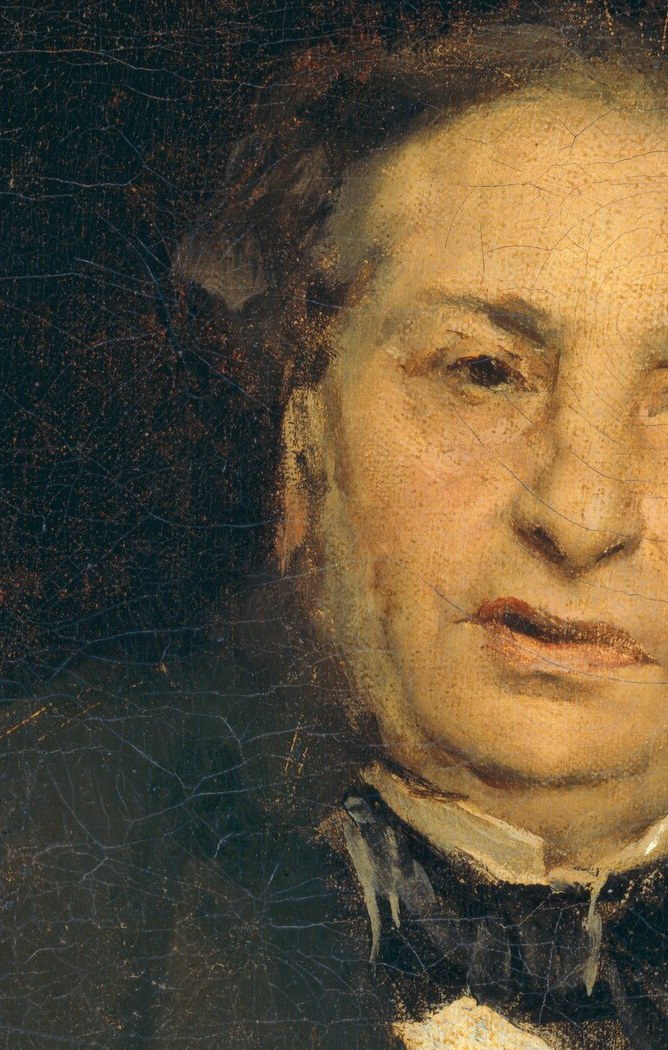
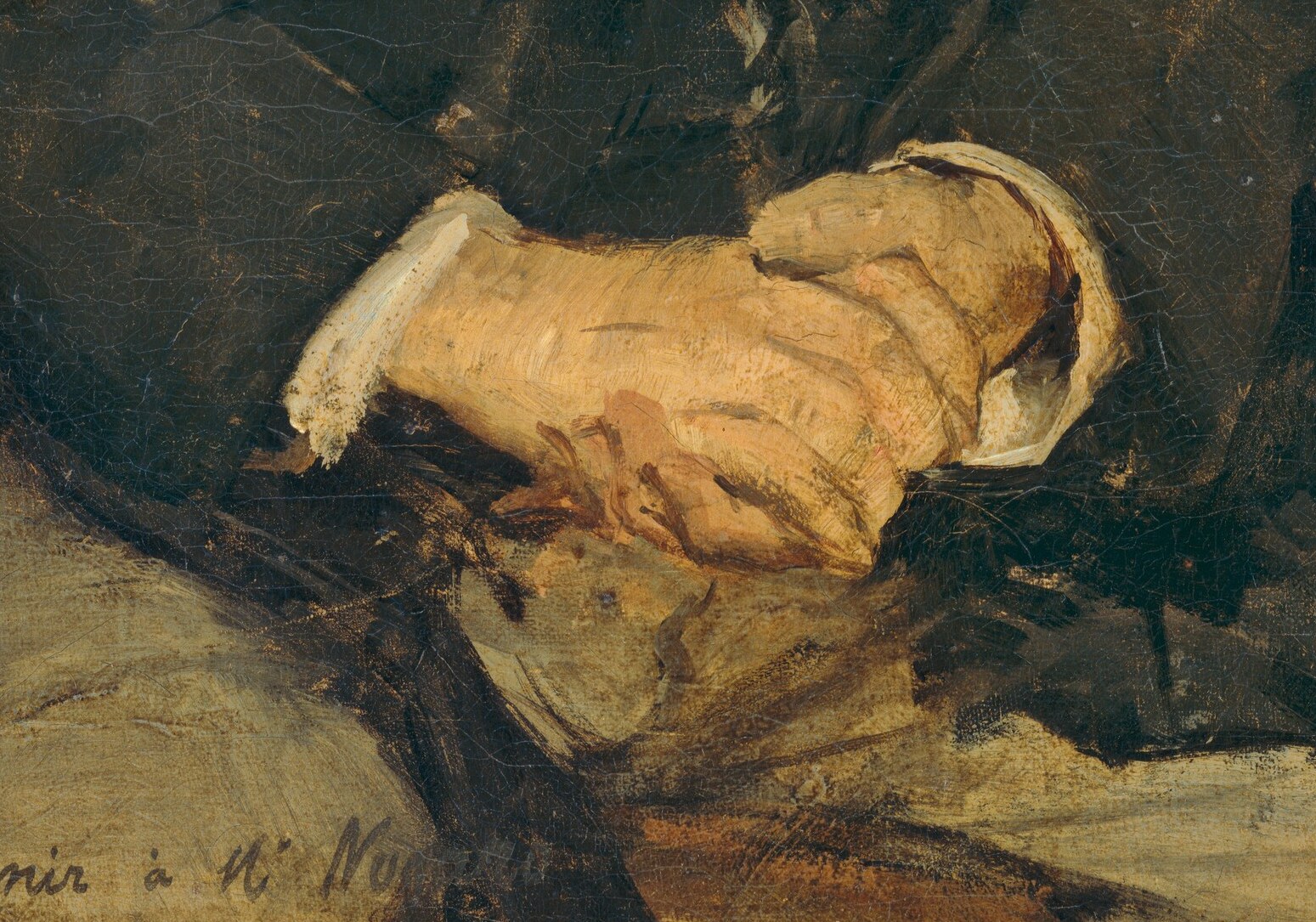
This is a painting in two voices. Look at the dark jacket: the brushwork is loose, broad, almost impatient. Now look at the face. The eyes hold a liquid highlight so precise it reads as living tissue. The hands receive the same meticulous attention. Bastien-Lepage was making a visible argument that psychological truth lives in the face and hands. Everything else is just atmosphere.
Simon Hayem, the sitter, wears the red ribbon of the Légion d'honneur on his lapel: a man of civic standing, presented without flattery but with unbroken dignity. The directness of his gaze was radical for its time. Portraits were meant to flatter. This one simply looks back.
Bastien-Lepage died at 36, but his influence spread across Europe and as far as Australia, Zola called his work "Impressionism corrected." This early portrait already contains his whole creed: the person first, the paint second.
Details
Transcript
Paris, 1875. Portraits were supposed to look finished. But this painter left his brushwork exposed. Broad, confident strokes. Almost a sketch. Then look at the face. Every eyelash, every highlight in the eye, impossibly tight. The same man painted both textures, on the same canvas. He argued that truth lives in a face, not in a jacket. A decade later, he was dead. But Naturalism had already won.