Adoration of the Magi by http://www.wikidata.org/.well-known/genid/9ee7be4c1c81b8619bf355b3381a4a2b
Peter Paul Rubens' "Adoration of the Magi," painted in 1624, is not just a masterpiece of Baroque art; it was also a sensation in the art market of its time. Commissioned for a considerable sum, this painting set a new benchmark for the value of artworks, reflecting the wealth and artistic appreciation of its patrons.
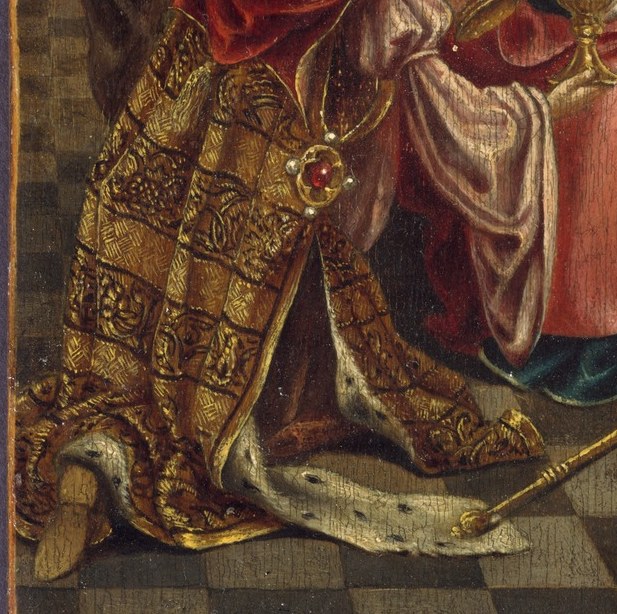
Notice the lavish details, from the ornate robes of the kneeling Magi to the intricate golden gift. These elements are not just artistic flourishes, but also speak to the immense expense and artistic ambition behind the work. Even the fallen crown, a symbol of renounced earthly power, adds to the narrative depth.
Rubens, a master of dynamic composition and rich color, imbues the scene with drama and spiritual gravitas. The sheer scale and detail of the painting were designed to impress, making it a prized possession for its original owners and a testament to the artist's enduring fame.
What do you think was the most captivating detail to its original viewers?
Details
Transcript
This painting once commanded a record price. It was commissioned by a wealthy patron for a significant sum. The opulence of the scene reflects that expense. Look at the rich detail of the golden gift. Even the fallen crown speaks to earthly power renounced. Its sale price made art history in its day.