Still Life: A Basket of Grapes and Other Fruit by Jacob van Hulsdonck
This is Jacob van Hulsdonck's 'Still Life: A Basket of Grapes and Other Fruit,' painted around 1640. In April 1980, a thief used a knife to cut the canvas from its stretcher at Stockholm's Nationalmuseum and walked out with it. The painting then disappeared for thirty-three years.
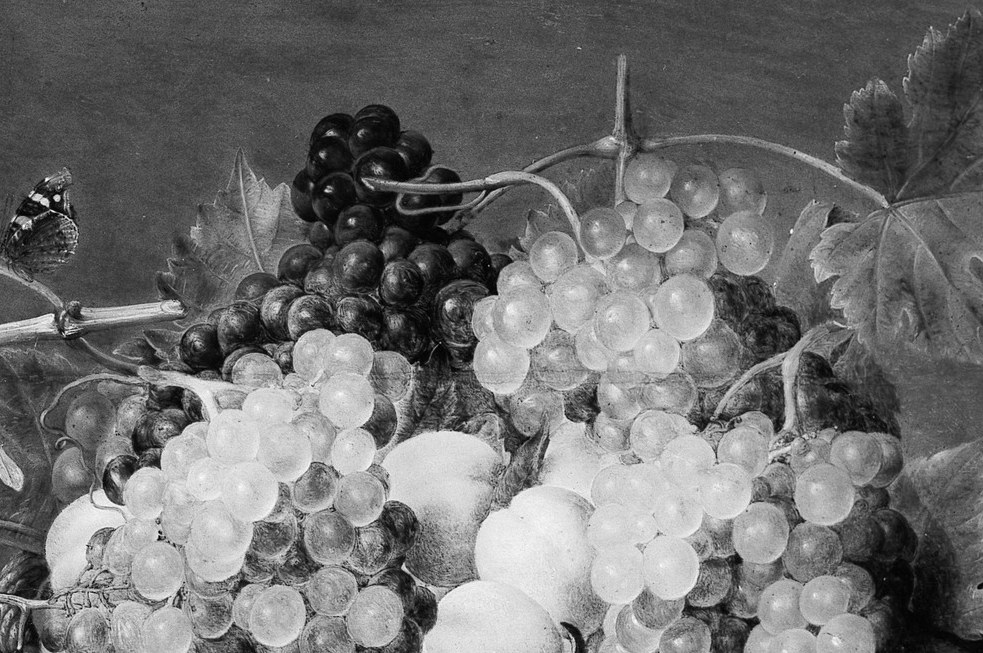
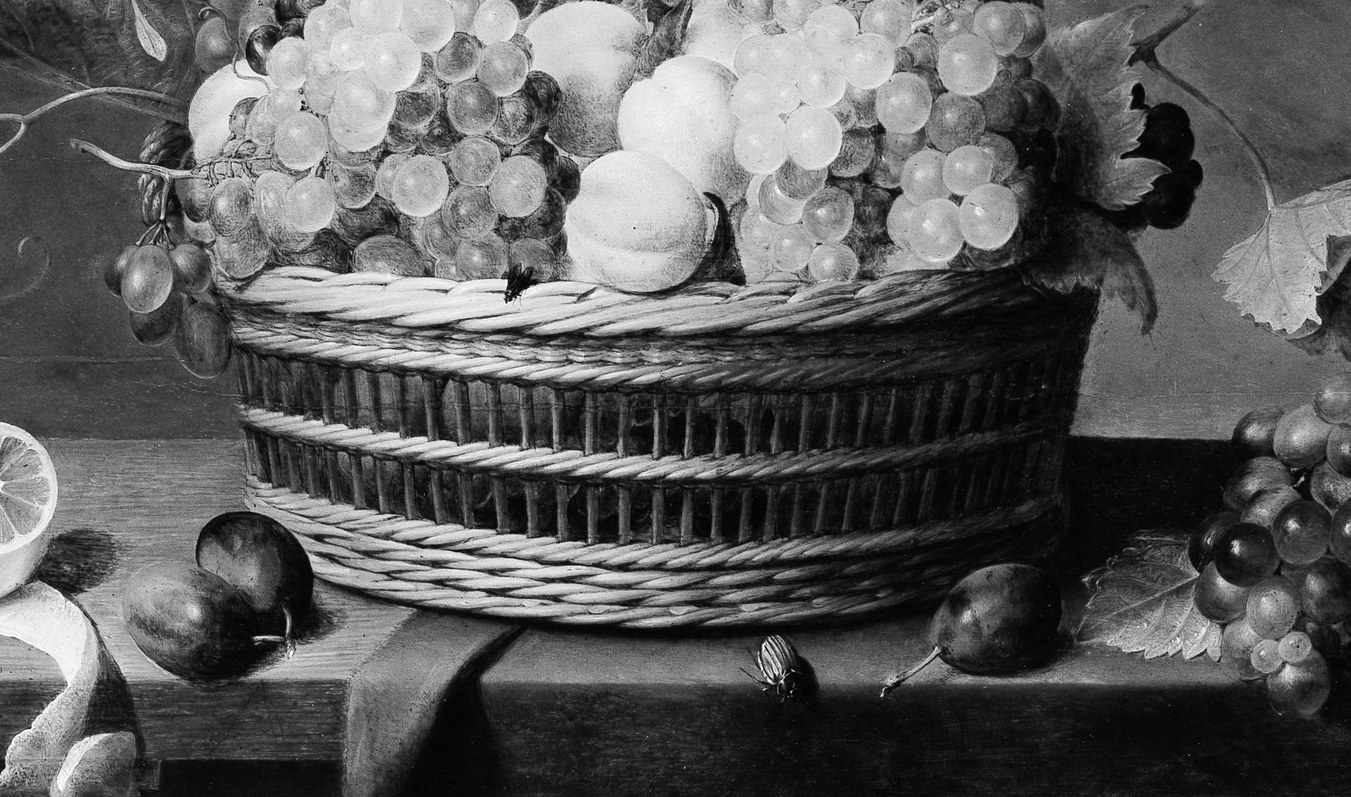
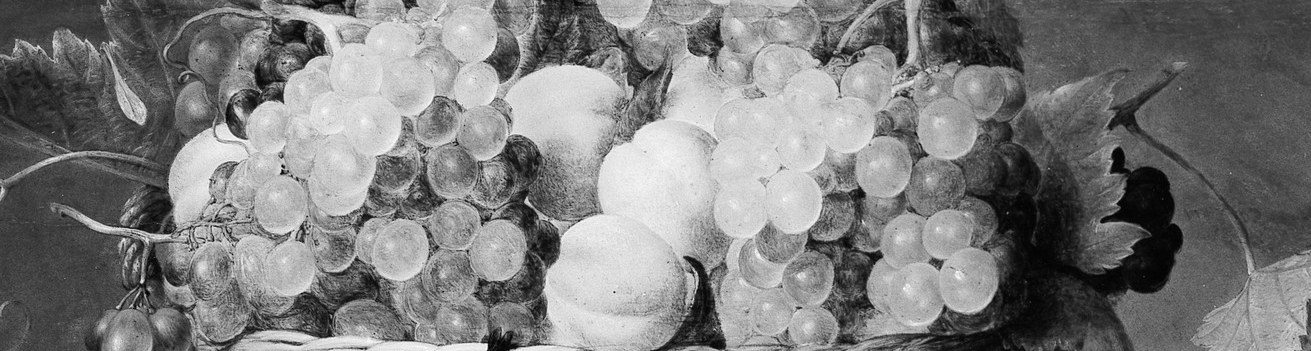
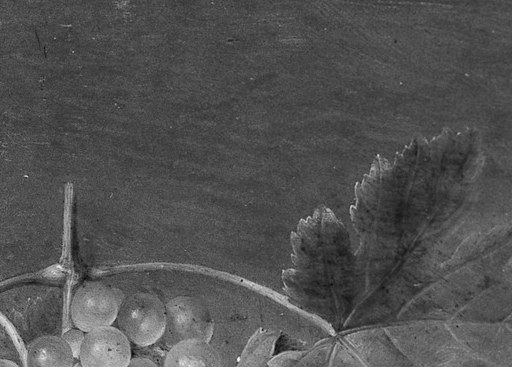
Look closely at the wicker basket. Hulsdonck built it reed by individual reed, each one catching light slightly differently. The pale green grapes in the center show enough bloom and reflection to stand as a masterclass in specular highlights. The dark grapes on the left nearly vanish into the background until your eye adjusts, and the small butterfly above the basket changes the whole meaning: it turns a feast into a meditation on fleeting life.
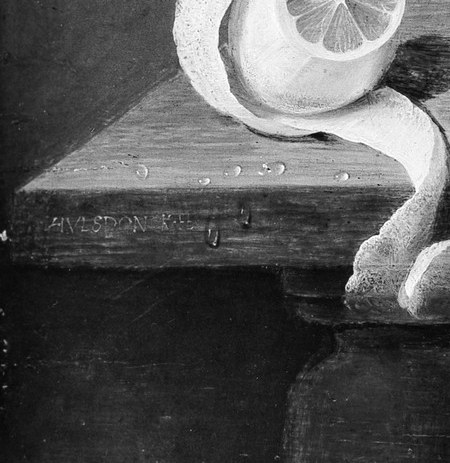
The painting resurfaced in 2013 when a Swedish auction house flagged it in a deceased estate. Hulsdonck's obsessive technique gave it away: the precise sequence of reed highlights and the unique micro-textures on the lemon pith matched the museum's original documentation. No forger could replicate the sheer number of individual decisions embedded in the paint.
A butterfly above a basket of fruit. It watched the studio in Antwerp in the 1640s, and it watched a thief in Stockholm in 1980. What survives longer, the fruit or the painting of it?
Details
Transcript
April, 1980. A man walked into a Stockholm museum with a knife. He cut this painting from its stretcher and walked back out. For thirty-three years, it simply did not exist. Then the fruit began speaking. Every grape, every leaf, was a unique fingerprint. Hulsdonck built each reed strand by strand. A forger cannot fake that. A butterfly, always there, watched the whole time.