Sylvia Gosse by Harold Gilman
Harold Gilman's "Sylvia Gosse," painted in 1913, is a quiet but powerful work at The Cleveland Museum of Art that helped define British modernism. This portrait of fellow artist Sylvia Gosse showcases a new approach to capturing character.
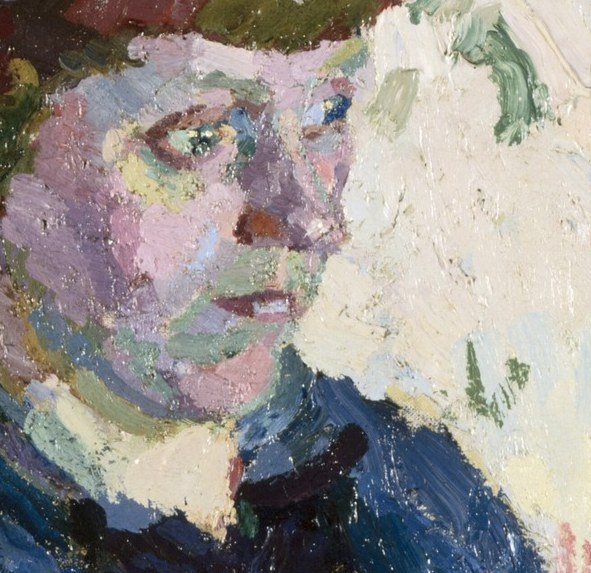
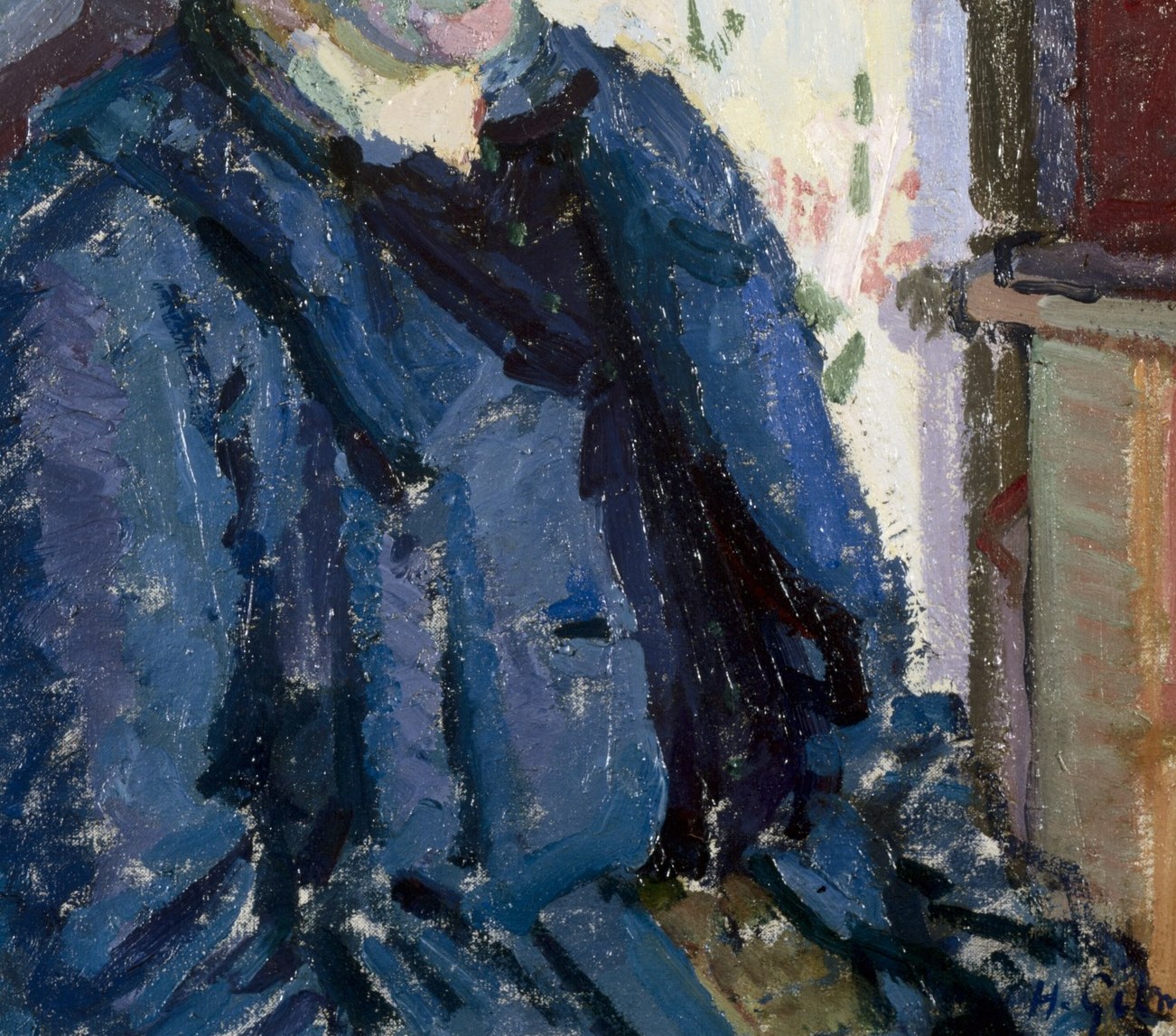
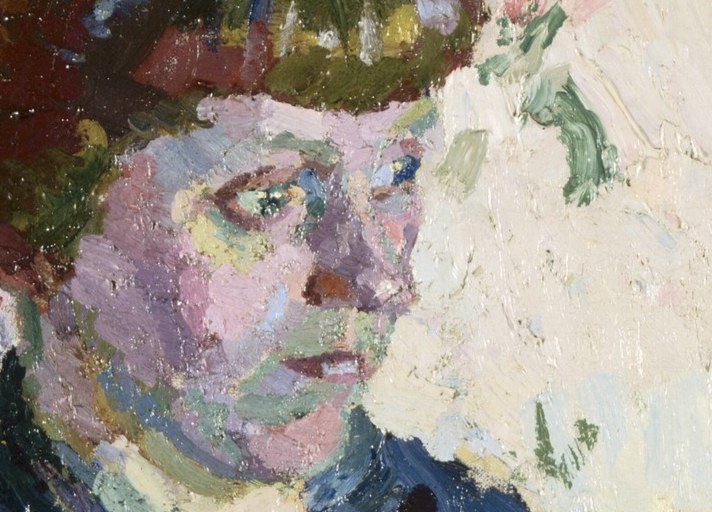
Look closely at the rich texture of her dark coat, created with thick impasto brushstrokes. The subtle pink and blue highlights on her face, illuminated by an unseen window, add a delicate complexity to her expression. Her thoughtful, almost somber gaze set a tone for many portraits of the era.
Gilman was a founder of the Camden Town Group, artists who sought to depict everyday life with vibrant, modern techniques. This painting is a notable example of his contribution to early 20th-century oil painting in England.
What emotions do you see in her expression?
Details
Transcript
This isn't just a portrait; it's a statement. Painted in 1913, it shows artist Sylvia Gosse. The thick impasto paint gives her coat a real texture. Notice the delicate pink and blue highlights on her face. Her serious gaze marked a new kind of modern portraiture. It helped define the style of the Camden Town Group.