The Yard of the Inn at Emmaus by David Ryckaert III
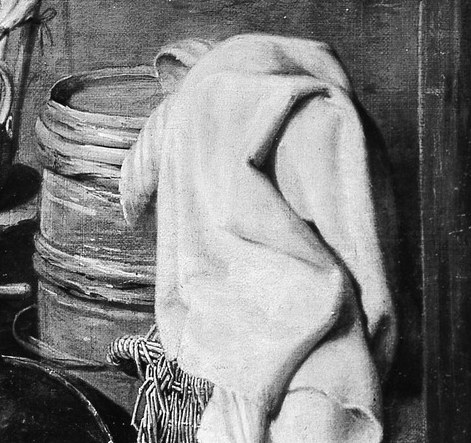
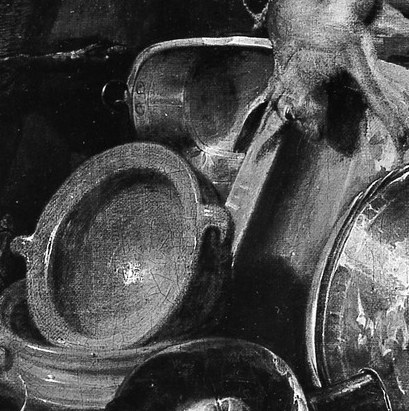
David Ryckaert III's "The Yard of the Inn at Emmaus," painted in 1646, offers a unique, human take on a pivotal biblical moment. This oil painting, part of The Metropolitan Museum of Art's collection, sets the miraculous within the mundane.
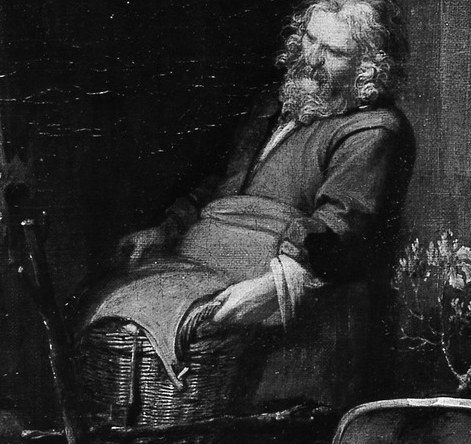
At first glance, it appears to be a typical inn scene, complete with animals and domestic objects. However, the true focus lies on the seated man, one of Christ's disciples, who has just had an extraordinary realization.
Ryckaert, a Flemish Baroque painter, was known for blending religious narratives with everyday life. Here, he masterfully uses light and shadow to draw our attention to the disciple's face, capturing the profound moment he recognizes Jesus after the resurrection. It’s a story of discovery, set not in a grand temple, but in a humble inn yard.
What emotions do you see reflected in his contemplative posture?
Details
Transcript
This looks like a simple inn yard, with animals and everyday objects. The painter, David Ryckaert III, was famous for such scenes. But look at the man seated at the table, deep in thought. He is one of Christ's disciples, after the resurrection. He has just recognized Jesus in the breaking of bread. The painting captures his moment of sudden, profound realization.