Still Life with Cake by Raphaelle Peale
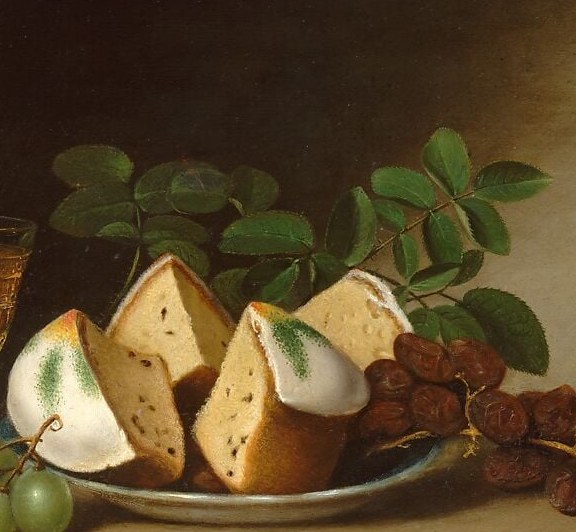
Raphaelle Peale's "Still Life with Cake" (1818) is one of the earliest dedicated still-life paintings in American art. Before this, a meal was background scenery. Peale made the modest dessert table worthy of its own frame, and in doing so documented exactly what a middle-class Philadelphian might eat after dinner in the young republic.
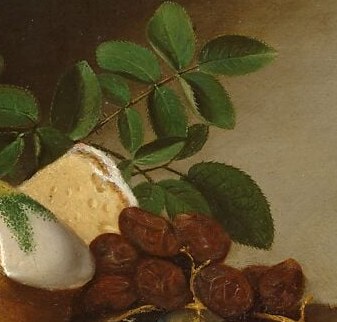
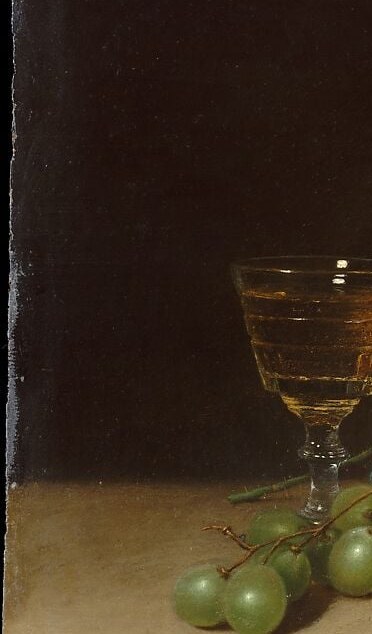
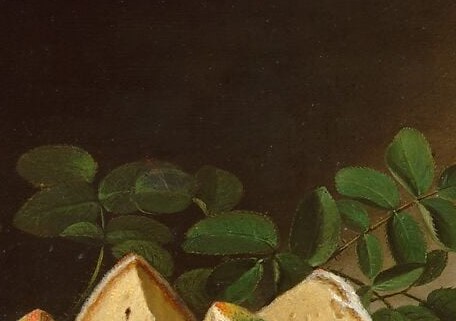
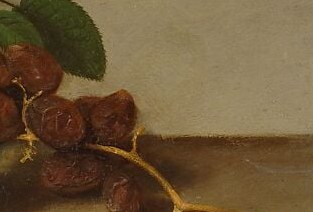
The eye lands first on that slice of sponge cake, its white icing built with almost sculptural paint handling. But look past it. A broken second piece of cake on the plate tells you the meal is mid-progress. Green grapes still attached to the vine sit casually off the pewter, their bloom surface catching the same diffuse window light that falls across the warm wooden table.
Peale painted this with ravaged hands. He suffered chronic arsenic and mercury poisoning from his family's museum work, preserving specimens for his father Charles Willson Peale's famous Philadelphia museum. The tremors and pain that defined his last decades make the absolute control of this small oil on wood even more striking.
The painting is on view in the Metropolitan Museum of Art's American Wing. What do you notice first, the wine, the grapes, or that frosting?
Details
Transcript
Philadelphia, 1818. The United States is four decades old. American painters had never made a meal the whole subject. The meal is already underway. A second piece of cake sits broken on the plate. A glass of pale wine catches the light through its bowl. This frosting is the painting's real subject. It is thick, rough, almost architectural. Raphaelle Peale suffered from arsenic poisoning for years. His hands shook. Yet this cake was built with absolute control. A few dark currants sit quietly beside it.